
TL;DR

Get monitors, keyboards and dev gear delivered free — and shop member deals
- Fast, free delivery on millions of items
- Access to Prime Big Deal Days deals on October 6–7
- Prime Video, Amazon Music and more included
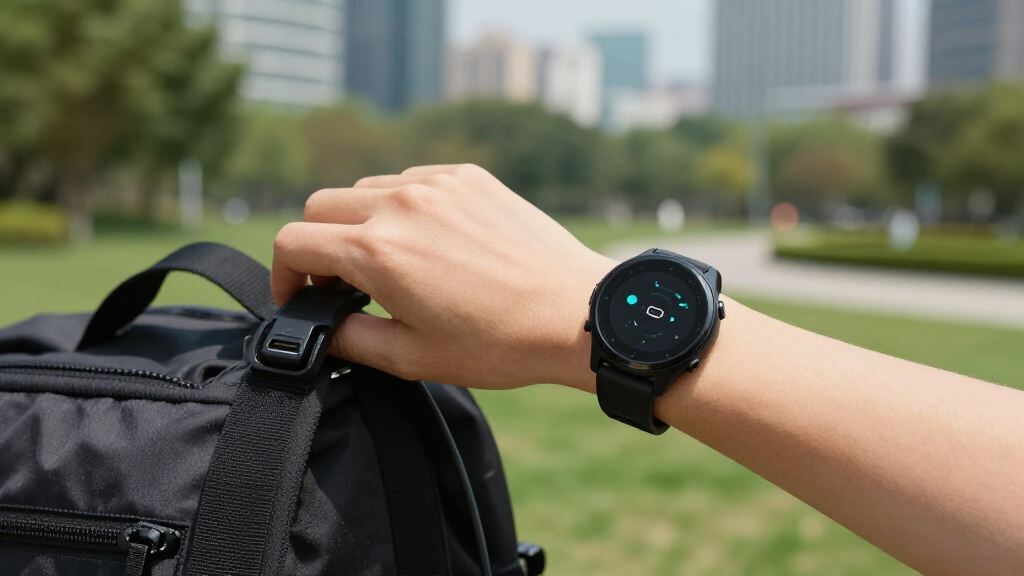
A recently announced GPS smartwatch is designed with repairability, USB-C charging, and developer accessibility in mind. This development could influence future wearable designs and sustainability efforts.
A new GPS smartwatch has been announced that emphasizes **repairability**, **USB-C charging**, and **developer-friendly features**, addressing common concerns about device longevity and customization. This device is expected to appeal to tech enthusiasts, sustainability advocates, and developers, potentially shaping future wearable designs.
The smartwatch, unveiled by a company known for open and sustainable tech initiatives, features a **modular design** that allows users to replace components such as the battery, screen, and sensors without specialized tools. It uses **USB-C** for charging, replacing proprietary connectors, and includes an **SDK** aimed at developers for creating custom apps and integrations. The company confirmed that the device is **repairable** with accessible parts and instructions, promoting longer device lifespan.
According to the company’s spokesperson, this approach is intended to reduce electronic waste and foster a community of developers and repairers. The device’s hardware specifications include standard GPS, heart rate sensors, and optional modules for additional fitness tracking. The announcement has garnered attention from sustainability advocates and open hardware supporters.
Implications for Wearable Sustainability and Customization
This development signals a shift toward **more sustainable wearable technology** by prioritizing **repairability** and **modular design**, potentially reducing electronic waste. The **developer-friendly** approach encourages community-driven customization and app development, which could lead to a more versatile ecosystem for wearables. If adopted widely, these features could influence industry standards and consumer expectations, fostering longer-lasting devices and more open platforms.
As an affiliate, we earn on qualifying purchases.
Growing Demand for Sustainable and Customizable Wearables
In recent years, environmental concerns and user demand for personalization have driven innovation in wearable technology. Companies like Apple and Garmin have introduced features for durability, but few have focused explicitly on **repairability** and **developer access**. The trend toward **modular devices** is gaining traction, with some niche brands pioneering repair-friendly designs. This announcement aligns with broader industry shifts toward sustainability and user empowerment, responding to critics of disposable electronics.
The device’s launch follows increasing public awareness of electronic waste issues and a rising community of DIY repair enthusiasts and developers interested in open hardware platforms.
“Our goal is to create a device that lasts longer, is easier to repair, and invites community innovation. We believe this approach benefits both users and the environment.”
— Company spokesperson
As an affiliate, we earn on qualifying purchases.
Extent of Market Adoption and Developer Support Unclear
It is not yet clear how widely this repairable, developer-friendly smartwatch will be adopted by consumers or manufacturers. The level of third-party developer engagement and the availability of repair parts at scale remain uncertain. Additionally, the long-term durability and user experience of the modular design are still to be evaluated in real-world use.
As an affiliate, we earn on qualifying purchases.
Next Steps: Availability and Developer Ecosystem Growth
The smartwatch is expected to be available for purchase in select markets within the next quarter. The company plans to release detailed repair guides and SDK documentation shortly after launch to encourage third-party development and community repair efforts. Monitoring how the market responds and how developers and repairers engage will be key to assessing its impact.
As an affiliate, we earn on qualifying purchases.
Key Questions
Will the repair parts be available to consumers?
Yes, the company has stated that repair parts will be accessible to consumers and repair shops, along with instructions for DIY repairs.
Can developers create custom apps for this smartwatch?
Yes, the company will release an SDK to support third-party app development, making the device more adaptable for various uses.
How does the repairability compare to other smartwatches?
The device features a modular design that allows easier replacement of key components, unlike most mainstream smartwatches with sealed units.
Is the device compatible with existing fitness apps?
Initial information suggests compatibility with standard fitness tracking apps, with potential for expanded integrations via developer support.
Will this device influence industry standards?
If successful, it could encourage other manufacturers to adopt more repairable and customizable designs, especially in the fitness and wearable sectors.
Source: hn
Halloween Picks
halloween
As an affiliate, we earn on qualifying purchases.