
TL;DR

Get monitors, keyboards and dev gear delivered free — and shop member deals
- Fast, free delivery on millions of items
- Access to Prime Big Deal Days deals on October 6–7
- Prime Video, Amazon Music and more included
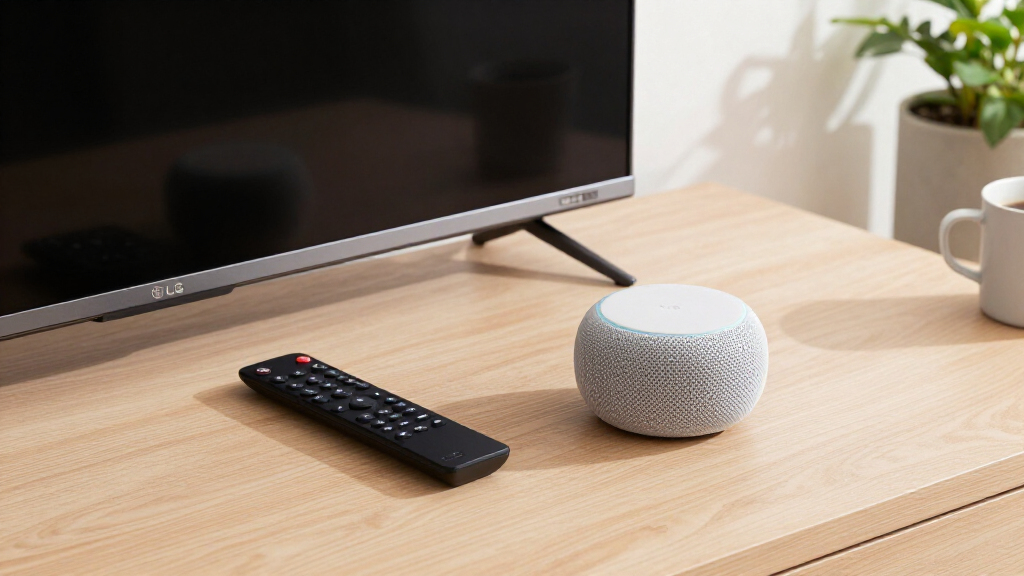
LG has officially denied allegations that its smart TVs are spying on users. The company states that claims of tracking and snooping are false, amid rising privacy concerns. The situation remains under investigation as public interest spikes.
LG has formally denied allegations that its smart TVs are secretly spying on users, stating that claims of tracking and snooping are “not true.” This response comes amid heightened public concern over privacy and data security in connected devices, with the company emphasizing its commitment to user privacy.
In a recent statement published on its official website, LG explicitly dismissed claims that its smart TVs collect or transmit user data without consent. The company said, “Claims suggesting LG TVs are spying on users or secretly tracking their activities are false and misleading.” The controversy was sparked by reports and social media discussions suggesting that LG’s smart TVs may be monitoring user behavior beyond what is disclosed in privacy policies.
LG’s statement clarifies that its smart TVs operate with user privacy as a priority, and any data collection is strictly within the bounds of user consent and transparent policies. The company also noted that it complies with applicable privacy laws and regulations in all markets where its products are sold. No evidence has been publicly presented to support the spying allegations, and LG has called for responsible reporting and verification of claims before spreading such concerns.
While LG’s official response aims to quell fears, the controversy has led to increased scrutiny of smart TV manufacturers, with consumer watchdogs and privacy advocates calling for more transparency and stricter data protection standards in connected devices.
Why Privacy Concerns Around LG Smart TVs Matter
This controversy underscores the broader debate over privacy and data security in the rapidly expanding market of connected devices. As smart TVs become more integrated with internet services and voice assistants, the potential for data collection and user monitoring increases. Public trust depends on manufacturers being transparent about data practices and safeguarding user privacy.
For consumers, the issue raises questions about what data is being collected, how it is used, and whether they have meaningful control over their information. The incident also influences regulatory discussions around privacy standards for IoT devices, which are often less regulated than other tech sectors. The outcome of this dispute could impact industry practices and consumer protections in the smart device ecosystem.
As an affiliate, we earn on qualifying purchases.
Background of Privacy Allegations in Smart TV Industry
The concern over privacy in smart TVs is not new. Over the past few years, reports have emerged suggesting that some manufacturers collect viewing data and other personal information, sometimes without clear user consent. These claims have led to investigations and calls for stricter regulations.
The current spike in interest appears linked to social media discussions and unverified reports alleging that LG’s TVs are involved in covert data collection. The controversy gained traction amid broader public anxieties about digital privacy, especially with the proliferation of internet-connected devices in homes.
LG, along with other brands, has previously stated that its devices comply with privacy laws and that user data is protected. However, the specifics of their data collection practices are often criticized for lacking transparency, fueling ongoing debates about industry standards.
As an affiliate, we earn on qualifying purchases.
Unverified Nature of Spying Allegations and Evidence
It remains unclear whether any data collection occurs beyond standard operation, as no concrete evidence has been publicly presented to support the spying claims. The claims are based on reports and social media speculation, which have not been substantiated by independent investigations.
LG maintains that its privacy practices are transparent and compliant with legal standards, but the lack of detailed disclosures has fueled suspicion. The true extent of data collection, if any, remains a subject of debate and ongoing scrutiny.
As an affiliate, we earn on qualifying purchases.
Next Steps in Privacy Investigation and Industry Response
Authorities and consumer watchdogs are expected to review LG’s privacy policies and data practices in response to the allegations. LG has stated it is open to cooperating with any investigations and will provide additional transparency if required.
Further independent audits or disclosures from LG could clarify the situation. Meanwhile, public interest in privacy protections for smart devices is likely to increase, prompting calls for stricter regulations and clearer standards across the industry.
As an affiliate, we earn on qualifying purchases.
Key Questions
Has LG admitted to any data collection beyond standard operation?
LG has not publicly admitted to any unauthorized data collection. The company states that its privacy practices are transparent and compliant with laws, but specific details remain undisclosed.
What evidence supports the spying claims?
Currently, there is no publicly available, verified evidence supporting the allegations. The claims are based on reports and social media discussions, which have not been substantiated by independent investigations.
Could LG’s smart TVs be secretly spying on users?
While LG denies these claims, the possibility cannot be completely ruled out until further investigation clarifies what data, if any, is collected and how it is used.
How are privacy laws affecting smart TV manufacturers?
Privacy laws require companies to be transparent about data collection and obtain user consent. The controversy highlights ongoing challenges in ensuring compliance and protecting consumer rights in the IoT sector.
What should consumers do to protect their privacy?
Consumers are advised to review privacy settings on their smart TVs, disable any unnecessary data sharing features, and stay informed about updates to device policies and regulations.
Source: hn
Halloween Picks
halloween
As an affiliate, we earn on qualifying purchases.