

Choosing the right QA testing software for students can be challenging, as it involves balancing ease of use, learning resources, and practical features. The best overall pick is All You Need to Know About Software Testing, which offers comprehensive coverage suitable for beginners and advanced learners alike. Cracking the QA & SDET Interview stands out as a top choice for those preparing for real-world testing roles, thanks to its focus on practical skills and interview prep. However, students must weigh tradeoffs like complexity versus affordability and whether the tool aligns with their current skill level. Continue reading for detailed insights into each option and how they compare.

Get monitors, keyboards and dev gear delivered free — and shop member deals
- Fast, free delivery on millions of items
- Access to Prime Big Deal Days deals on October 6–7
- Prime Video, Amazon Music and more included
Key Takeaways
- The best products balance comprehensive content with user-friendly interfaces, making learning accessible.
- Practical features like automation support and interview prep materials are key differentiators among top picks.
- Tools with a focus on foundational principles tend to be better for absolute beginners, while more advanced options suit students aiming for professional roles.
- Cost and accessibility vary widely; some premium tools offer advanced features but may be less suitable for casual learners.
- Grouping products by use case — such as learning, interview prep, or automation — helps narrow down choices for specific student needs.
| Unit Testing Principles, Practices, and Patterns: Effective Testing Styles, Patterns, and Reliable Automation with C# Examples |  | Best for Practical Developers Learning Automation | Language: C# | Focus: Unit testing, mocking, automation | Content Type: Practical examples and principles | VIEW LATEST PRICE | See Our Full Breakdown |
| The Complete Software Tester: Concepts, Skills, and Strategies for High-Quality Testing |  | Best for Broad Testing Foundations | Language: English | Focus: Testing concepts and strategies | Audience: Beginners and general learners | VIEW LATEST PRICE | See Our Full Breakdown |
| Cracking the QA & SDET Interview: The Complete Guide to Acing the Modern Testing Loop: Manual, Automation, and AI-Driven QA |  | Best for Interview Preparation and Advanced Candidates | Language: English | Focus: Interview prep, automation, AI | Audience: Intermediate to advanced students | VIEW LATEST PRICE | See Our Full Breakdown |
| Mastering Software Testing & QA: A Practical Guide to Manual Testing, Agile Quality, and Real-World Delivery | 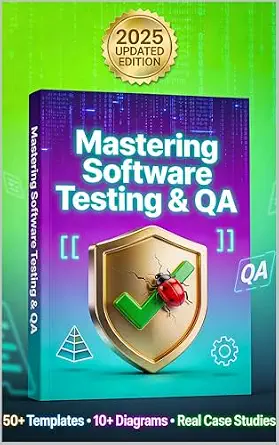 | Best for Real-World QA Application | Language: English | Focus: Manual testing, Agile QA, delivery | Audience: Students with some testing background | VIEW LATEST PRICE | See Our Full Breakdown |
| Software Testing Interview Preparation Book: QA Analyst / Software Tester Interview Questions & Answers |  | Best for Entry-Level Interview Prep | Language: English | Focus: Interview questions and answers | Audience: Beginners and job seekers | VIEW LATEST PRICE | See Our Full Breakdown |
| How to Become a QA Tester in 30 Days |  | Best for Beginners Planning a Fast Track Entry | Target Audience: Beginners | Learning Duration: 30 days | Content Focus: QA basics, career tips | VIEW LATEST PRICE | See Our Full Breakdown |
| QA Analyst/Software Tester Job Interview Questions & Answers |  | Best for Interview Preparation and Skill Refinement | Target Audience: Job seekers in QA | Content Type: Interview Q&A | Focus Area: Interview prep | VIEW LATEST PRICE | See Our Full Breakdown |
| The Software Tester’s Success Blueprint: How to succeed as a QA, QE, Automation Engineer, and SDET |  | Best for Career-Oriented QA and Automation Professionals | Target Audience: Aspiring QA and automation professionals | Focus: Career development | Content Scope: QA, QE, automation, SDET | VIEW LATEST PRICE | See Our Full Breakdown |
| All You Need to Know About Software Testing: From Beginner to Job-Ready QA Engineer |  | Best for Broad Skill Development and Deepening Knowledge | Target Audience: Beginner to intermediate QA aspirants | Topics Covered: Manual testing, automation, APIs, AI | Depth: Broad | VIEW LATEST PRICE | See Our Full Breakdown |
| Software Testing Unlocked – A Beginner’s Guide to QA & Automation |  | Best for Structured Learning Path for Total Beginners | Target Audience: Total beginners | Learning Structure: 20-step plan | Coverage: QA fundamentals and automation | VIEW LATEST PRICE | See Our Full Breakdown |
| QA testing software for student | Focus | Coverage | Format | Language |
|---|---|---|---|---|
| Unit Testing Principles | Unit testing, mocking, automation | Testing patterns, best practices | Book | C# |
| The Complete Software Tester: | Testing concepts and strategies | Manual, strategic, quality assurance | Book | English |
| Cracking the QA & SDET Intervi | Interview prep, automation, AI | Manual, automation, AI-driven testing | Guidebook | English |
| Mastering Software Testing & Q | Manual testing, Agile QA, delivery | Practical QA, collaboration | Book | English |
| Software Testing Interview Pre | Interview questions and answers | Common interview topics | Book | English |
| How to Become a QA Tester in 3 | — | — | Guidebook | — |
| QA Analyst/Software Tester Job | — | Common QA questions | — | — |
| The Software Tester’s Success | Career development | — | — | — |
| All You Need to Know About Sof | Job readiness and skill diversity | — | — | — |
| Software Testing Unlocked | — | QA fundamentals and automation | — | — |
More Details on Our Top Picks
Unit Testing Principles, Practices, and Patterns: Effective Testing Styles, Patterns, and Reliable Automation with C# Examples
This book stands out for its in-depth focus on core unit testing principles and practical C# examples, making it especially valuable for students who want to build a solid foundation in test automation. Unlike The Complete Software Tester, which covers broader testing concepts without diving into coding specifics, this resource emphasizes reliable automation techniques that are essential for modern testing roles. The focus on patterns and best practices helps students develop consistent, scalable test code, but it might be less appealing to those seeking a quick overview or beginner-friendly content since it assumes some familiarity with C#.
Pros:- Comprehensive coverage of unit testing principles and best practices
- Practical C# examples that facilitate learning by doing
- Focus on automation reliability and testing patterns
Cons:- No pricing details or customer ratings limit quick evaluation
- Requires some familiarity with C# programming
Best for: Students who want a hands-on, code-oriented approach to mastering test automation in C#
Not ideal for: Beginners with no programming background or those seeking a general overview of testing concepts
- Language:C#
- Focus:Unit testing, mocking, automation
- Content Type:Practical examples and principles
- Coverage:Testing patterns, best practices
- Audience:Intermediate programmers
- Format:Book
Our verdict“This book is ideal for students with programming experience aiming to deepen their automation skills through practical, pattern-based testing in C#.”
The Complete Software Tester: Concepts, Skills, and Strategies for High-Quality Testing
This book makes the most sense for students seeking a comprehensive overview of testing concepts and strategies, comparable to Mastering Software Testing & QA but with a slightly broader scope. Unlike Cracking the QA & SDET Interview, which focuses more on interview prep, this resource emphasizes foundational skills applicable across testing roles, from manual to strategic testing. While it covers essential concepts well, it lacks detailed technical tools or recent trends, making it less suitable for students looking to specialize in automation or advanced QA techniques.
Pros:- Wide-ranging coverage of testing concepts and practices
- Suitable for learners at all levels, from novice to experienced
- Practical strategies for ensuring testing quality
Cons:- Limited focus on specific tools or recent trends
- No in-depth technical or automation details
Best for: Beginners or students needing a broad, conceptual understanding of testing to support future specialization
Not ideal for: Advanced students or those seeking specific automation or tool-based guidance
- Language:English
- Focus:Testing concepts and strategies
- Audience:Beginners and general learners
- Coverage:Manual, strategic, quality assurance
- Format:Book
- Edition:Latest
Our verdict“This book provides a solid conceptual foundation for students new to testing or those wanting a comprehensive overview without technical overload.”
Cracking the QA & SDET Interview: The Complete Guide to Acing the Modern Testing Loop: Manual, Automation, and AI-Driven QA
This guide excels for students preparing for QA or SDET interviews, with comprehensive coverage of manual, automation, and AI-driven testing that surpasses the more general Software Testing Interview Preparation Book. Compared to the latter, which offers practical Q&A for interview success, this resource dives deeper into technical strategies and modern testing trends, including AI integration. However, its dense content might overwhelm absolute beginners or those not yet familiar with automation tools, making it better suited for students with some foundational knowledge looking to excel in technical assessments.
Pros:- Extensive coverage of manual, automation, and AI testing strategies
- Practical insights for acing technical interviews
- Relevant for modern QA and SDET roles
Cons:- Content may be too dense for complete beginners
- Lacks detailed specifications or technical tool guidance
Best for: Students preparing for technical testing roles or SDET interviews with some prior testing experience
Not ideal for: Beginners unfamiliar with automation or AI concepts seeking basic interview prep
- Language:English
- Focus:Interview prep, automation, AI
- Audience:Intermediate to advanced students
- Coverage:Manual, automation, AI-driven testing
- Format:Guidebook
- Edition:Latest
Our verdict“This guide is tailored for students aiming to excel in technical interviews for QA and SDET roles, especially those interested in automation and AI trends.”
Mastering Software Testing & QA: A Practical Guide to Manual Testing, Agile Quality, and Real-World Delivery
This book makes the most sense for students interested in applying testing skills directly within agile teams, with a focus on manual testing and quality strategies that The Complete Software Tester touches on but with a more practical edge. Compared to Unit Testing Principles, which emphasizes automation in C#, this pick emphasizes collaborative QA processes and delivery. Its practical orientation makes it less suitable for students seeking detailed automation techniques or those new to testing, as it assumes some familiarity with agile practices and real-world delivery scenarios.
Pros:- Focus on manual testing and agile methodologies
- Practical guidance aligned with real-world delivery
- Suitable for students aiming to work in collaborative QA roles
Cons:- Lacks detailed technical or tool-specific content
- May be too advanced for complete novices
Best for: Students aiming to work in agile environments or seeking practical, delivery-focused testing skills
Not ideal for: Beginners or students seeking in-depth automation or coding tutorials
- Language:English
- Focus:Manual testing, Agile QA, delivery
- Audience:Students with some testing background
- Coverage:Practical QA, collaboration
- Format:Book
- Edition:Latest
Our verdict“This book is ideal for students looking to apply testing principles within agile teams and real-world delivery contexts.”
Software Testing Interview Preparation Book: QA Analyst / Software Tester Interview Questions & Answers
This book is perfect for students preparing for entry-level QA roles, offering a comprehensive set of interview questions and answers that make it comparable to Software Testing Unlocked. Unlike the more technical or strategy-focused Cracking the QA & SDET Interview, this resource emphasizes practical Q&A that helps students anticipate common interview scenarios. Its straightforward format makes it accessible, but the lack of detailed technical content or recent trends might limit its usefulness for students aiming to deepen their technical knowledge or automation skills.
Pros:- Extensive collection of interview questions and answers
- Practical tips for interview success
- Suitable for beginners and intermediate testers
Cons:- No detailed technical or tool-specific content
- No customer reviews or recent updates
Best for: Students seeking structured interview practice for QA analyst or tester roles, especially at the beginner level
Not ideal for: Advanced students or those looking for technical skill-building beyond interview prep
- Language:English
- Focus:Interview questions and answers
- Audience:Beginners and job seekers
- Coverage:Common interview topics
- Format:Book
- Edition:Latest
Our verdict“This book is best suited for students preparing for entry-level QA interviews who need structured Q&A practice and tips.”
How to Become a QA Tester in 30 Days
This book stands out for its structured 30-day plan, making it ideal for newcomers aiming to quickly develop foundational QA skills. Compared with All You Need to Know About Software Testing, which covers a broader technical spectrum, this guide offers a more disciplined approach tailored to beginners. However, it falls short on detailed technical examples, which can leave more advanced learners seeking more depth. Its practical tips and clear roadmap make it especially useful for those who prefer a guided, step-by-step learning process.
Pros:- Structured 30-day beginner-focused plan
- Practical tips and career strategies
- Comprehensive overview of QA fundamentals
Cons:- Lacks detailed technical examples
- May not suit those seeking advanced topics
Best for: Aspiring QA newcomers with little prior experience who want a quick, structured learning plan
Not ideal for: Experienced testers or those seeking in-depth technical content and advanced testing strategies
- Target Audience:Beginners
- Learning Duration:30 days
- Content Focus:QA basics, career tips
- Format:Guidebook
- Level:Beginner
- Tools Covered:Basic testing concepts
Our verdict“This book is perfect for absolute beginners looking for a clear, time-bound entry into QA testing.”
QA Analyst/Software Tester Job Interview Questions & Answers
This book excels at preparing students for QA job interviews through detailed Q&A and strategy tips, making it a strong companion to All You Need to Know About Software Testing, which offers a broader testing curriculum. While it provides practical interview insights, it doesn’t include additional resources or updated trends, so it may quickly become outdated. Its focus on interview readiness makes it ideal for students nearing job application stages but less useful for those still building foundational skills.
Pros:- Extensive collection of interview questions and answers
- Practical strategies for interview success
- Helps boost confidence and readiness
Cons:- No supplementary content or new resource links
- May not reflect the latest industry interview trends
Best for: Students preparing for QA job interviews who need focused question-and-answer practice
Not ideal for: Beginners seeking comprehensive testing knowledge or technical skills beyond interview prep
- Target Audience:Job seekers in QA
- Content Type:Interview Q&A
- Focus Area:Interview prep
- Coverage:Common QA questions
- Update Status:No recent updates
- Suitable For:Pre-interview candidates
Our verdict“Ideal for students who want to strengthen their interview skills and increase hiring chances in QA roles.”
The Software Tester’s Success Blueprint: How to succeed as a QA, QE, Automation Engineer, and SDET
This comprehensive guide is well-suited for students aiming to expand into automation, QE, or SDET roles, offering a broader career perspective compared to How to Become a QA Tester in 30 Days. While it covers essential skills and strategies, it lacks detailed technical content or specific product features, making it less ideal for students who want hands-on technical training. Its focus on career success and automation strategies makes it a good choice for those considering a long-term professional path.
Pros:- Broad coverage of QA, QE, and automation careers
- Includes strategies for professional growth
- Suitable for long-term career planning
Cons:- No detailed technical content or specific product features
- Lacks hands-on exercises or technical examples
Best for: Students interested in building a versatile QA career, including automation and SDET roles
Not ideal for: Absolute beginners looking solely for foundational manual testing skills without automation focus
- Target Audience:Aspiring QA and automation professionals
- Focus:Career development
- Content Scope:QA, QE, automation, SDET
- Technical Detail:Limited
- Practical Exercises:None
- Application Level:Intermediate to advanced
Our verdict“This book suits students aiming for a comprehensive career view, including automation and advanced roles.”
All You Need to Know About Software Testing: From Beginner to Job-Ready QA Engineer
This extensive guide covers a wide array of topics including manual testing, automation, APIs, Selenium, Playwright, CI/CD, and AI-enhanced QA, making it highly suitable for students who want to become versatile QA engineers. Compared to How to Become a QA Tester in 30 Days, which offers a quick-start approach, this book provides more in-depth coverage and practical insights. However, its lack of detailed technical specifications and absence of reviews could be a downside for those seeking concrete technical depth or community validation.
Pros:- Wide range of testing topics covered
- Includes automation and AI components
- Suitable for aspiring job-ready QA engineers
Cons:- No detailed technical specifications provided
- Lacks customer feedback or ratings
Best for: Students seeking broad, in-depth knowledge across manual and automated testing, including modern tools and AI integration
Not ideal for: Absolute beginners who need a step-by-step beginner guide or those who prefer concise resources
- Target Audience:Beginner to intermediate QA aspirants
- Topics Covered:Manual testing, automation, APIs, AI
- Depth:Broad
- Technical Details:Limited
- Customer Reviews:None available
- Focus:Job readiness and skill diversity
Our verdict“This book is best for students aiming to develop a comprehensive, multi-faceted understanding of modern QA practices.”
Software Testing Unlocked – A Beginner’s Guide to QA & Automation
This book offers a clear, 20-step journey designed specifically for newcomers, making it a practical choice for those just starting out in QA and automation. Unlike How to Become a QA Tester in 30 Days, which emphasizes a quick start, this guide provides a detailed, step-by-step process that helps learners build solid foundational skills. Its coverage of both QA fundamentals and automation makes it a balanced starting point, though it may be too basic for experienced testers seeking advanced insights or technical depth.
Pros:- Clear, 20-step learning process
- Covers QA fundamentals and automation
- Prepares for first QA roles effectively
Cons:- No detailed technical examples or advanced content
- Content may be too basic for experienced learners
Best for: Complete beginners who want a structured, step-by-step guide to learn QA and automation from scratch
Not ideal for: Advanced students or those already familiar with QA concepts looking for in-depth technical content
- Target Audience:Total beginners
- Learning Structure:20-step plan
- Coverage:QA fundamentals and automation
- Technical Detail:Basic
- Content Depth:Introductory
- Practical Focus:First QA roles
Our verdict“Ideal for absolute beginners who prefer a detailed, stepwise approach to mastering QA and automation basics.”

How We Picked
Our evaluation process centered on relevance to students learning QA testing, including ease of use, depth of educational content, and practical features like automation and test case management. We prioritized tools that offer a balance between theoretical knowledge and hands-on practice, ensuring students can both understand core concepts and apply them in real scenarios. Cost-effectiveness was also a factor, with a preference for accessible options that don’t compromise on value. We ranked products higher if they provided clear learning pathways, interactive elements, and resources aligned with current industry standards.
| QA testing software for student | Language | Audience | Format | Target Audience |
|---|---|---|---|---|
| Unit Testing Principles | C# | Intermediate programmers | Book | — |
| The Complete Software Tester: | English | Beginners and general learners | Book | — |
| Cracking the QA & SDET Intervi | English | Intermediate to advanced students | Guidebook | — |
| Mastering Software Testing & Q | English | Students with some testing background | Book | — |
| Software Testing Interview Pre | English | Beginners and job seekers | Book | — |
| How to Become a QA Tester in 3 | — | — | Guidebook | Beginners |
| QA Analyst/Software Tester Job | — | — | — | Job seekers in QA |
| The Software Tester’s Success | — | — | — | Aspiring QA and automation professionals |
| All You Need to Know About Sof | — | — | — | Beginner to intermediate QA aspirants |
| Software Testing Unlocked | — | — | — | Total beginners |
Factors to Consider When Choosing QA Testing Software For Students
When selecting QA testing software for students, it’s important to consider factors that impact both learning and practical skill development. The right tool should match your current knowledge level while offering room to grow. Beyond features, consider how the software’s interface, support resources, and community can influence your learning experience. Making an informed choice involves weighing these elements against your specific goals, whether they involve exam prep, interview readiness, or hands-on automation practice.Ease of Use and Learning Curve
For students, a user-friendly interface can significantly speed up the learning process. Software that is overly complex may discourage consistent practice, while too simplistic tools might lack necessary depth. Look for platforms that offer guided tutorials, interactive lessons, and clear documentation, especially if you are new to testing concepts. The ideal tool strikes a balance, allowing you to learn foundational principles without feeling overwhelmed by advanced features too early.
Educational Content and Resources
Quality learning materials, such as tutorials, sample projects, and practice exercises, make a big difference in mastering QA testing. Some tools provide integrated courses or step-by-step walkthroughs, which can accelerate skill acquisition. When choosing, check if the platform offers up-to-date content that covers current testing trends, automation, and industry best practices, ensuring relevance as you progress from beginner to more advanced levels.
Practical Features and Automation Support
Hands-on practice is essential for solidifying testing skills. Look for software that supports automation frameworks, test case management, and debugging tools. These features prepare students for real-world roles, where automation is often key. However, be aware that more advanced automation support may come with a steeper learning curve or higher cost, so assess whether it aligns with your current skill level and learning objectives.
Cost and Accessibility
Budget constraints are common among students, so affordability matters. Many platforms offer free trials, freemium models, or discounted student licenses. Be cautious about tools that require expensive subscriptions or add-on costs for essential features. The most suitable choice provides a good value, balancing affordability with the features needed to learn and practice effectively.
Community and Support
Access to a supportive community or mentorship can significantly enhance your learning journey. Platforms with active forums, user groups, or customer support help resolve questions quickly and foster peer learning. This support network can be especially beneficial when tackling complex topics like automation scripting or debugging, making the overall experience smoother and more engaging.
Frequently Asked Questions
Is it better to choose a free QA testing tool or invest in a paid one?
For students just starting out, free QA testing tools often provide enough features to grasp core concepts and gain practical experience. Many paid options offer advanced automation, comprehensive tutorials, and dedicated support, which can accelerate learning but at a cost. If your budget allows, investing in a paid platform might be worthwhile for deeper engagement and industry-relevant skills, but in most cases, starting with free tools is a smart way to build foundational knowledge without financial pressure.
Should I prioritize automation support or focus on manual testing skills?
Both skills are important, but as a student, understanding manual testing lays the groundwork for automation. Look for software that offers a clear path to automation, including tutorials and scripting support, once you’re comfortable with manual testing. Prioritizing tools that balance both aspects ensures you develop versatile skills essential for modern QA roles, rather than focusing solely on automation or manual testing in isolation.
How important is industry relevance when choosing QA testing software for students?
Industry relevance ensures that the skills you develop are applicable to real-world jobs. Look for platforms that cover current testing frameworks, automation tools, and best practices used in the field today. Learning on tools that mirror industry standards increases your employability and prepares you for interviews, making your efforts more targeted and valuable for future career opportunities.
Can I use these tools for certification exam preparation?
Many QA testing platforms include content aligned with certification standards, especially those focusing on automation and advanced testing concepts. However, for formal certification exams, supplementing these tools with official study guides and practice exams is advisable. Using software that closely mirrors exam topics can boost your confidence and help you perform well when it counts.
What should I look for in a QA testing tool if I want to specialize in automation?
If automation is your goal, seek software that offers scripting support, integration with popular automation frameworks like Selenium or JUnit, and tutorials focused on automation best practices. Check if the tool supports test suite management and reporting, which are crucial for automation projects. Be prepared for a steeper learning curve, but with the right features, you can develop automation skills that are highly sought after in the industry.
Conclusion
For students seeking an all-around learning experience, All You Need to Know About Software Testing offers a comprehensive foundation. Those preparing for interviews will benefit most from Cracking the QA & SDET Interview, which emphasizes practical skills. If budget is a concern, free or low-cost options like some open-source tools provide excellent value, especially for beginners. For those aiming to specialize in automation, prioritize platforms with strong scripting and framework support. Finally, advanced students or those pursuing certifications should look for tools aligned with industry standards, ensuring their skills remain relevant as they advance.
Halloween Picks
halloween
As an affiliate, we earn on qualifying purchases.