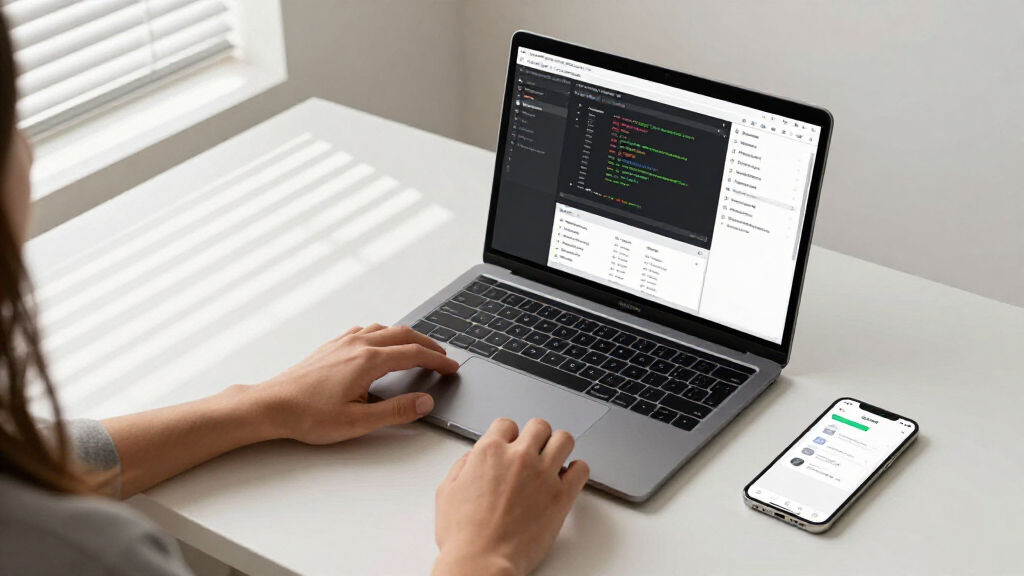

Choosing the right automated testing tool in 2026 means balancing practical automation guidance with advanced AI capabilities. Claude Code Loop Engineering with AI Agents stands out for developers interested in AI-driven workflows, though it lacks detailed technical examples. Automated Software Testing: From Zero to Secure Deploy offers a thorough, step-by-step approach to core testing tools like Jest and Cypress but falls short on real-world samples. Visual Studio Code AI Mastery provides a broad view of integrating AI into full-stack development, ideal for those looking to embed AI into their workflows, albeit with a steeper learning curve. Each has distinct tradeoffs in technical depth, AI focus, and beginner friendliness, making your choice dependent on your specific needs.

Get monitors, keyboards and dev gear delivered free — and shop member deals
- Fast, free delivery on millions of items
- Access to Prime Big Deal Days deals on October 6–7
- Prime Video, Amazon Music and more included
Key Takeaways
- AI-driven automation is increasingly central, with tools like Claude Code Loop emphasizing safe automation workflows.
- Practical, step-by-step testing guides like the second pick are essential for improving code quality and security.
- Full-stack AI integration tools like Visual Studio Code AI Mastery suit modern developers aiming for comprehensive AI workflow adoption.
- Tradeoffs include technical complexity versus ease of use, and depth of AI features versus foundational testing guidance.
- Understanding your project’s specific needs—whether core testing, AI workflows, or full-stack AI—is key to choosing the right tool.
| Claude Code Loop Engineering with AI Agents |  | Best for AI-driven automation workflows | Focus: AI agent workflows and prompt management | Coverage: Automation safety and best practices | Format: Educational book/guide | VIEW LATEST PRICE | See Our Full Breakdown |
| Automated Software Testing: From Zero to Secure Deploy |  | Best for mastering core testing tools and methodologies | Coverage: Jest, Cypress, TDD, CI/CD | Focus: Bug elimination and secure deployment | Format: Practical guide | VIEW LATEST PRICE | See Our Full Breakdown |
| Visual Studio Code AI Mastery: Build Full-Stack Applications with GitHub Copilot, AI Agents, Prompt Engineering, Automated Workflows, and AI-Powered Software Development |  | Best for modern AI-integrated full-stack development | Coverage: GitHub Copilot, AI agents, prompt engineering | Focus: Full-stack AI application development | Format: Educational book | VIEW LATEST PRICE | See Our Full Breakdown |
| automated testing tools for developer | Focus | Coverage | Format | Prerequisites |
|---|---|---|---|---|
| Claude Code Loop Engineering w | AI agent workflows and prompt management | Automation safety and best practices | Educational book/guide | Basic understanding of AI concepts |
| Automated Software Testing: Fr | Bug elimination and secure deployment | Jest, Cypress, TDD, CI/CD | Practical guide | Basic programming knowledge |
| Visual Studio Code AI Mastery: | Full-stack AI application development | GitHub Copilot, AI agents, prompt engineering | Educational book | Experience with AI and development frameworks |
More Details on Our Top Picks
Claude Code Loop Engineering with AI Agents
This option stands out for its focus on teaching developers how to craft automated workflows using AI agents, emphasizing prompt management, testing, and safety. Compared with other tools, it offers practical guidance on automating complex processes with AI, making it ideal for those exploring intelligent automation. However, it lacks detailed technical examples and does not provide pricing or user ratings, which may make it less appealing for developers needing concrete implementation steps or budget considerations. Its emphasis on safe automation practices makes it a strong pick for security-conscious teams.
Pros:- Provides practical guidance on AI-driven automation
- Focuses on prompt management and safe automation techniques
- Helps streamline complex development processes with AI
Cons:- Lacks detailed technical examples or sample workflows
- No pricing or rating info available
- May be abstract for developers seeking hands-on coding guidance
Best for: Developers interested in integrating AI agents into their automation workflows
Not ideal for: Developers seeking detailed technical coding examples or immediate practical implementation
- Focus:AI agent workflows and prompt management
- Coverage:Automation safety and best practices
- Format:Educational book/guide
- Prerequisites:Basic understanding of AI concepts
- Tools Covered:/loop, /goal
- Intended Audience:Developers interested in AI automation
Our verdict“A strong choice for developers exploring AI automation workflows focused on safety and process streamlining.”
Automated Software Testing: From Zero to Secure Deploy
This pick makes the most sense for developers who want a comprehensive, step-by-step guide to improving software quality through established testing tools like Jest, Cypress, and practices such as TDD and CI/CD. Compared with AI-focused options, it emphasizes foundational testing techniques, which are essential for bug elimination and secure deployment. However, it doesn’t include specific code samples or real-world scenarios, which could limit immediate practical application. Its strength lies in broad coverage of testing strategies tailored to securing and stabilizing software before release.
Pros:- Covers a wide range of testing tools and practices
- Provides clear, step-by-step instructions
- Focuses on bug elimination and secure deployment
Cons:- Lacks detailed specifications and prerequisites
- No sample code or real-world examples
- Primarily theoretical without hands-on exercises
Best for: Developers seeking a practical, methodology-focused testing guide
Not ideal for: Those looking for AI automation or full-stack development techniques
- Coverage:Jest, Cypress, TDD, CI/CD
- Focus:Bug elimination and secure deployment
- Format:Practical guide
- Prerequisites:Basic programming knowledge
- Audience:Developers new to automated testing
- Approach:Step-by-step instructions
Our verdict“Ideal for developers wanting a solid, methodology-based foundation in automated testing.”
Visual Studio Code AI Mastery: Build Full-Stack Applications with GitHub Copilot, AI Agents, Prompt Engineering, Automated Workflows, and AI-Powered Software Development
This book provides an extensive overview for developers eager to incorporate AI tools into their full-stack workflows. Compared to the other options, it covers a broader set of AI techniques, including prompt engineering and automated workflows, making it suitable for those aiming for an integrated AI development environment. While its coverage is impressive, the content can be quite advanced and may overwhelm beginners or those unfamiliar with AI tools. Its focus on practical examples helps in real-world application, but the depth might require prior experience with AI and development frameworks.
Pros:- Covers a wide range of AI development tools
- Includes practical examples for full-stack applications
- Suitable for modern development workflows
Cons:- Content can be advanced for beginners
- No specific pricing or rating info provided
- Requires familiarity with AI concepts and tools
Best for: Developers aiming to embed AI into full-stack application development
Not ideal for: Beginners or developers seeking simple, code-based automation solutions
- Coverage:GitHub Copilot, AI agents, prompt engineering
- Focus:Full-stack AI application development
- Format:Educational book
- Prerequisites:Experience with AI and development frameworks
- Tools Covered:GitHub Copilot, AI agents
- Intended Audience:Developers building AI-enhanced full-stack apps
Our verdict“A comprehensive guide for developers integrating AI into full-stack workflows, best suited for experienced practitioners.”
How We Picked
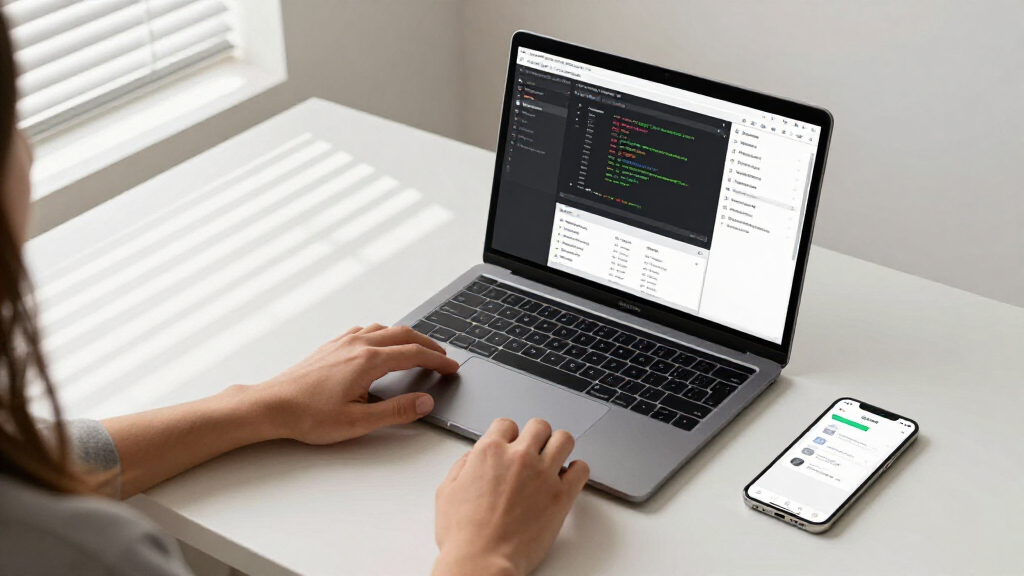
Our selection process focused on tools that serve developers seeking automation solutions in 2026. We prioritized products that offer practical guidance, comprehensive coverage of testing methodologies, and integration with AI technologies. We evaluated the depth of technical content, ease of adoption, and relevance to modern development workflows. Accessibility for different skill levels was also considered, alongside the potential for real-world application. The final list balances innovative AI capabilities with foundational testing support, ensuring a broad spectrum of developer needs is met.
| automated testing tools for developer | Focus | Coverage | Format | Prerequisites |
|---|---|---|---|---|
| Claude Code Loop Engineering w | AI agent workflows and prompt management | Automation safety and best practices | Educational book/guide | Basic understanding of AI concepts |
| Automated Software Testing: Fr | Bug elimination and secure deployment | Jest, Cypress, TDD, CI/CD | Practical guide | Basic programming knowledge |
| Visual Studio Code AI Mastery: | Full-stack AI application development | GitHub Copilot, AI agents, prompt engineering | Educational book | Experience with AI and development frameworks |
Factors to Consider When Choosing Automated Testing Tools For Developers
Choosing the right automated testing tool involves understanding your project scope, technical familiarity, and specific automation needs. Whether you’re exploring AI-driven workflows, seeking solid testing methodologies, or integrating AI into full-stack development, the ideal choice varies based on your goals. This guide highlights key considerations to help you pick the best fit for your development environment in 2026.Identify Your Automation Focus
Decide whether your priority is AI-driven automation, traditional testing techniques, or full-stack AI integration. Tools like Claude Code Loop excel at automating workflows with AI, while the second pick emphasizes core testing methodologies. The third option blends AI into full-stack development, suited for those seeking comprehensive AI integration.
Assess Your Technical Skill Level
Beginners or teams new to automation may prefer guided, step-by-step resources like the second pick. More experienced developers comfortable with AI concepts might find the third option offers valuable advanced techniques. Consider your team’s familiarity with AI, scripting, and testing frameworks when choosing.
Balance Practical Guidance with Depth
Some tools provide broad coverage but lack detailed examples, which could hinder immediate implementation. Others focus on practical, actionable steps. Ensure the tool you select aligns with your need for detailed instructions or high-level strategic guidance to maximize productivity.
Frequently Asked Questions
What is the main benefit of using AI-driven automation tools?
AI-driven automation tools help streamline complex development workflows, reduce manual effort, and improve safety by managing prompt responses and automating repetitive tasks. They can also adapt to changing project needs more flexibly than traditional automation methods, making development faster and more reliable.
Are these tools suitable for beginners?
While some options like the second pick are more accessible for beginners due to their step-by-step guidance, others like the third require familiarity with AI concepts and full-stack development. It’s important to match the tool’s complexity with your current skill level to avoid unnecessary frustration.
Can I combine these tools in a single workflow?
Yes, many developers integrate multiple tools to cover different aspects of automation—using core testing frameworks alongside AI workflow managers. However, ensure compatibility and clear integration points to prevent workflow complexity from becoming overwhelming.
Do these tools support popular programming languages?
Most of these resources focus on popular frameworks like Jest and Cypress for testing, and AI tools like GitHub Copilot are compatible with languages such as JavaScript, Python, and more. Always verify language support based on your specific tech stack before committing.
Are there costs associated with these tools?
Pricing varies; the first and third options are primarily educational resources without explicit pricing details, often requiring subscriptions or licenses for associated tools. The second is more of a practical guide, typically available as a book or course. Always check the latest pricing to plan your budget accordingly.
Conclusion
If you are a developer new to automation or seeking straightforward, well-structured guidance, the second pick offers a solid foundation. Developers focused on AI workflows and safe automation should consider the first option, especially if integrating AI agents into processes. For those aiming to embed AI into full-stack development with advanced techniques, the third resource provides a comprehensive roadmap, best suited to experienced practitioners. Ultimately, your choice depends on your project needs, skill level, and whether your focus lies in core testing, AI-driven workflows, or full-stack AI integration.
Halloween Picks
halloween
As an affiliate, we earn on qualifying purchases.