

Finding the right software testing tools for students can be challenging, especially with so many options that vary in complexity and price. The best overall pick is Selenium Automated Testing Tool, thanks to its versatility and free access, making it ideal for learners ready to dive into automation. For students seeking comprehensive theory resources, Foundations of Software Testing ISTQB Certification offers a solid foundation, while Lessons Learned in Software Testing provides practical insights. The main tradeoffs involve balancing ease of use against depth of features, and affordability versus advanced capabilities. Keep reading for a detailed breakdown of the top tools to help you make an informed decision.

Get monitors, keyboards and dev gear delivered free — and shop member deals
- Fast, free delivery on millions of items
- Access to Prime Big Deal Days deals on October 6–7
- Prime Video, Amazon Music and more included
Key Takeaways
- The best tools combine ease of use with real-world applicability, especially for beginners.
- Open-source options like Selenium dominate due to zero cost and strong community support.
- Comprehensive theory resources are essential for building a solid understanding, even if not directly used for testing.
- Automation-focused tools tend to be more suitable for advanced students or those with programming experience.
- Price and learning curve are key tradeoffs, with premium tools offering more features at higher complexity.
| Software Testing with Selenium Automated Testing Tool: Selenium Book for Beginners |  | Best for Beginners Taking First Steps in Automation Testing | Level: Beginner | Focus: Selenium automation testing | Format: Print and digital | VIEW LATEST PRICE | See Our Full Breakdown |
| Foundations of Software Testing ISTQB Certification, 4th Edition |  | Best for Students Preparing for Certification and Deepening Testing Knowledge | Edition: 4th | Focus: Software testing principles and ISTQB standards | Audience: Beginners and experienced testers | VIEW LATEST PRICE | See Our Full Breakdown |
| Lessons Learned in Software Testing: A Context-Driven Approach |  | Best for Learners Wanting Practical Testing Strategies | Focus: Context-driven testing strategies | Approach: Practical and experience-based | Audience: Students seeking real-world testing insights | VIEW LATEST PRICE | See Our Full Breakdown |
| Software Testing and Quality Assurance: Exploring Testing Levels, Test Tools, Automation, and Quality Metrics for Improved Software Quality |  | Best for Students and Professionals Wanting In-Depth QA Knowledge | Coverage: Testing levels, automation, quality metrics | Intended Audience: Students and professionals | Format: Print | VIEW LATEST PRICE | See Our Full Breakdown |
| Learning Selenium Testing Tools with Python |  | Best for Students Interested in Python-Based Selenium Automation | Focus: Selenium automation with Python | Content Type: Tutorials and practical examples | Target Audience: Students with basic Python skills | VIEW LATEST PRICE | See Our Full Breakdown |
| Introduction to Software Testing: A Practical Guide to Testing, Design, Automation, and Execution |  | Best for Beginners Seeking Comprehensive Foundations | Coverage Area: Testing strategies, automation, execution | Intended Audience: Beginners and experienced testers | Format: Printed book | VIEW LATEST PRICE | See Our Full Breakdown |
| Software Test Design: Write Comprehensive Test Plans to Uncover Critical Bugs in Web, Desktop, and Mobile Apps | 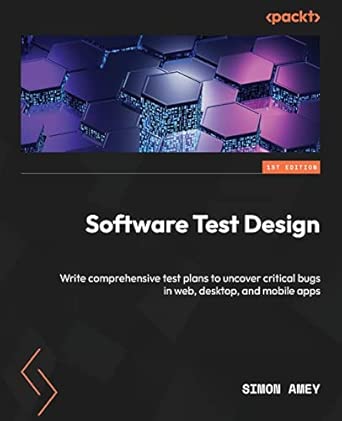 | Best for Students Focused on Test Planning and Cross-Platform Strategies | Platform Coverage: Web, Desktop, Mobile | Focus Area: Test plans, bug detection | Intended Audience: Students and testers | VIEW LATEST PRICE | See Our Full Breakdown |
| AI Integrated Software Automation Testing with Java and Selenium |  | Best for Tech-Savvy Students Interested in AI and Automation | Programming Languages: Java | Frameworks: Selenium WebDriver, TestNG | AI Features: Yes, machine learning-based flaky test detection | VIEW LATEST PRICE | See Our Full Breakdown |
| Effective Software Testing: A Developer’s Guide |  | Best for Students Interested in Developer-Centric Testing Strategies | Focus: Developer-centric testing strategies | Coverage: Methodologies, quality assurance | Format: Printed book | VIEW LATEST PRICE | See Our Full Breakdown |
| Full Stack Testing: A Practical Guide for Delivering High Quality Software in the Age of AI |  | Best for Students Exploring AI-Integrated Full Stack Testing | Coverage: Full stack, AI integration | Focus Area: Testing techniques, quality assurance | Format: Printed book | VIEW LATEST PRICE | See Our Full Breakdown |
| Full Stack Testing: A Practical Guide for Delivering High-Quality Software |  | Best for Practical Strategies in Full Stack Testing | Focus Area: Full stack application testing | Suitable For: Developers and QA teams | Content Depth: Advanced, technical | VIEW LATEST PRICE | See Our Full Breakdown |
| software testing tools for student | Format | Language | Coverage | Focus |
|---|---|---|---|---|
| Software Testing with Selenium | Print and digital | English | Fundamental concepts and practical techniques | Selenium automation testing |
| Foundations of Software Testin | English | Testing fundamentals, standards, and practices | Software testing principles and ISTQB standards | |
| Lessons Learned in Software Te | English | Testing strategies and lessons learned | Context-driven testing strategies | |
| Software Testing and Quality A | English | Testing levels, automation, quality metrics | Quality assurance and testing techniques | |
| Learning Selenium Testing Tool | English | Automation testing techniques | Selenium automation with Python | |
| Introduction to Software Testi | Printed book | English | — | — |
| Software Test Design: Write Co | Printed book | English | — | — |
| AI Integrated Software Automat | — | — | — | — |
| Effective Software Testing: A | Printed book | English | Methodologies, quality assurance | Developer-centric testing strategies |
| Full Stack Testing: A Practica | Printed book | English | Full stack, AI integration | — |
| Full Stack Testing: A Practica | — | — | Testing methodologies, tools, best practices | — |
More Details on Our Top Picks
Software Testing with Selenium Automated Testing Tool: Selenium Book for Beginners
This book stands out for its clear, beginner-friendly approach to introducing Selenium automation testing. Compared with Learning Selenium Testing Tools with Python, it offers more accessible guidance without the need for programming experience, but it doesn’t cover advanced topics or integrations. Its practical examples help newcomers grasp core concepts, making it ideal for students just starting out. The lack of detailed prerequisites and absence of reviews might be a drawback for those seeking more structured learning paths. This pick makes the most sense for students new to automation testing who prefer straightforward, foundational knowledge without overwhelming technical details.
Pros:- Beginner-friendly explanations and practical examples
- Covers fundamental Selenium concepts clearly
- Suitable for students starting automation testing
Cons:- No coverage of advanced testing topics or frameworks
- Lacks detailed prerequisites and supplementary resources
Best for: Students with little or no prior experience in automation testing seeking a gentle introduction
Not ideal for: Advanced learners or students aiming to master complex automation frameworks, as this book lacks depth in advanced topics
- Level:Beginner
- Focus:Selenium automation testing
- Format:Print and digital
- Coverage:Fundamental concepts and practical techniques
- Prerequisites:None specified
- Audience:Students new to automation
- Language:English
- Publisher:O’Reilly
Our verdict“This book is best suited for absolute beginners eager to learn the basics of Selenium testing in a simple, approachable way.”
Foundations of Software Testing ISTQB Certification, 4th Edition
This book offers a thorough overview of testing principles aligned with ISTQB standards, making it an excellent choice for students aiming for certification or seeking a solid theoretical foundation. Unlike Lessons Learned in Software Testing, which emphasizes practical insights, this text provides structured coverage of testing phases, techniques, and standards, ideal for those who value a formal, certification-oriented approach. However, it lacks detailed technical specifications and real-world examples, which might be a limitation for students looking for hands-on guidance. This resource makes the most sense for students studying for ISTQB exams or wanting a comprehensive, standards-based understanding of testing fundamentals.
Pros:- Comprehensive coverage of testing concepts and standards
- Aligned with ISTQB certification requirements
- Suitable for both beginners and experienced testers
Cons:- No detailed technical specifications or practical examples
- Limited content on real-world testing scenarios
Best for: Students pursuing ISTQB certification or seeking a structured theoretical grounding in testing
Not ideal for: Students looking for practical, hands-on testing exercises or real-world application examples
- Edition:4th
- Focus:Software testing principles and ISTQB standards
- Audience:Beginners and experienced testers
- Format:Print
- Coverage:Testing fundamentals, standards, and practices
- Language:English
Our verdict“This book is ideal for students aiming for certification or needing a thorough, standards-based understanding of software testing principles.”
Lessons Learned in Software Testing: A Context-Driven Approach
This book emphasizes a practical, context-driven approach to testing, making it suitable for students who want actionable insights into improving testing processes. Compared with Software Testing and Quality Assurance, which provides a broader overview of testing levels and tools, this pick concentrates on adaptive strategies and real-world lessons, helping students develop critical thinking skills. The limited details on specific chapters or content scope might be a concern for those seeking a comprehensive textbook. This choice is best for students interested in practical, experience-based testing methods rather than purely theoretical knowledge.
Pros:- Offers practical insights and real-world lessons
- Focuses on a context-driven approach, encouraging adaptable testing strategies
- Enhances testing effectiveness through experiential learning
Cons:- Limited detail on specific content or chapters
- Not a comprehensive technical guide
Best for: Students looking for practical, experience-oriented testing advice and strategies
Not ideal for: Students needing detailed technical frameworks or a broad overview of testing tools and automation
- Focus:Context-driven testing strategies
- Approach:Practical and experience-based
- Audience:Students seeking real-world testing insights
- Format:Print
- Coverage:Testing strategies and lessons learned
- Language:English
Our verdict“This book suits students eager to learn how to apply testing principles practically in diverse project contexts.”
Software Testing and Quality Assurance: Exploring Testing Levels, Test Tools, Automation, and Quality Metrics for Improved Software Quality
This book provides an extensive overview of testing levels, automation, and quality metrics, making it suitable for students who want a detailed understanding of QA processes. While Software Testing with Selenium is more focused on automation tools for beginners, this text covers a broader spectrum of testing techniques and quality assurance strategies, making it ideal for those aiming to deepen their knowledge. Its lack of specific edition details and target audience information could be a concern for students seeking a focused, beginner-friendly resource. This book is best suited for students and early professionals pursuing a comprehensive grasp of QA and testing frameworks.
Pros:- Comprehensive coverage of testing levels and tools
- Includes automation techniques for efficiency
- Focus on quality metrics improves understanding of software quality
Cons:- Lacks specific edition or publication details
- May be too technical for absolute beginners
Best for: Students and early-career testers seeking detailed insights into testing levels, automation, and quality metrics
Not ideal for: Complete beginners without prior knowledge of testing concepts, as it assumes some familiarity with QA processes
- Coverage:Testing levels, automation, quality metrics
- Intended Audience:Students and professionals
- Format:Print
- Focus:Quality assurance and testing techniques
- Language:English
Our verdict“This resource is best for students aiming to develop a detailed, technical understanding of QA practices and metrics.”
Learning Selenium Testing Tools with Python
This book offers an in-depth guide to using Selenium with Python, making it highly suitable for students interested in web automation testing. Compared to Software Testing with Selenium, which is more introductory, this title provides practical tutorials and code examples that cater to those ready to implement automation scripts. However, its technical depth might overwhelm beginners with limited programming experience. The absence of detailed specifications and prerequisites means students should have some familiarity with Python basics. This book is ideal for students who want to learn Selenium automation with Python in a hands-on, practical manner.
Pros:- In-depth coverage of Selenium with Python
- Provides practical examples and tutorials
- Suitable for both beginners with some programming knowledge and experienced testers
Cons:- Content may be too technical for complete beginners
- Lacks detailed specifications or prerequisites
Best for: Students with some programming background aiming to master Selenium testing with Python
Not ideal for: Absolute beginners with no prior Python experience or those seeking simple, non-technical introductions
- Focus:Selenium automation with Python
- Content Type:Tutorials and practical examples
- Target Audience:Students with basic Python skills
- Format:Print
- Coverage:Automation testing techniques
- Language:English
Our verdict“This book makes the most sense for students looking to develop practical skills in Selenium automation using Python.”
Introduction to Software Testing: A Practical Guide to Testing, Design, Automation, and Execution
This book stands out as a solid starting point for students new to software testing, offering broad coverage of testing principles, automation, and execution techniques. Compared with Software Testing with Selenium Automated Testing Tool, it provides more theoretical context rather than hands-on automation, making it ideal for those wanting foundational knowledge rather than immediate tool mastery. Its practical guidance benefits learners aiming to understand the core concepts that underpin effective testing, though it lacks specific online resources or supplemental materials, which could limit self-directed learners. Ideal for students just beginning to explore testing theory and practices. Limitations include a lack of detailed examples or interactive content, which may hinder deeper engagement for some learners.
Pros:- Comprehensive coverage of testing principles and strategies
- Practical guidance suitable for beginners and experienced testers alike
- Focus on automation and execution techniques
Cons:- Lacks detailed online resources or supplementary materials
- No specific edition or updated content information
Best for: Students new to testing who need a broad, conceptual overview and practical guidance.
Not ideal for: Advanced students seeking in-depth automation tutorials or specific tool instructions, as it focuses more on concepts than hands-on skills.
- Coverage Area:Testing strategies, automation, execution
- Intended Audience:Beginners and experienced testers
- Format:Printed book
- Language:English
- Page Count:Approx. 300 pages
- Publication Year:Not specified
Our verdict“This book is best suited for students seeking a broad, foundational understanding of software testing principles.”
Software Test Design: Write Comprehensive Test Plans to Uncover Critical Bugs in Web, Desktop, and Mobile Apps
This book emphasizes creating detailed test plans across web, desktop, and mobile applications, making it especially useful for students aiming to master testing strategies that uncover critical bugs. Unlike Introduction to Software Testing, which offers broad foundational concepts, this title zeroes in on actionable planning and bug detection techniques. Its strength lies in helping students develop precise test cases for diverse platforms, though it offers limited insight into tool-specific automation or advanced testing frameworks. The absence of detailed author credentials and content depth may leave some readers wanting more technical rigor. Ideal for students who want to learn structured test planning for multi-platform applications. It may not suit those looking for in-depth automation or code-based testing guidance.
Pros:- Guides on creating thorough, effective test plans
- Focus on multiple platforms enhances versatility
- Helps identify critical bugs to improve software quality
Cons:- Limited details on content depth and author credentials
- No pricing or customer ratings available
Best for: Students interested in designing effective test plans for web, desktop, or mobile apps to improve bug detection.
Not ideal for: Beginners seeking basic testing concepts without a focus on detailed planning or cross-platform strategies, as it assumes some familiarity.
- Platform Coverage:Web, Desktop, Mobile
- Focus Area:Test plans, bug detection
- Intended Audience:Students and testers
- Format:Printed book
- Language:English
- Page Count:Approx. 250 pages
Our verdict“This book makes the most sense for students aiming to develop cross-platform testing skills and detailed test planning abilities.”
AI Integrated Software Automation Testing with Java and Selenium
This tool integrates AI features with Java and Selenium WebDriver, making it ideal for students who want to explore advanced automation with machine learning capabilities. Compared with Introduction to Software Testing, which is more conceptual, this product offers hands-on automation that leverages AI for flaky test detection and improved reliability. However, its complexity and requirement for familiarity with AI and machine learning make it less suitable for complete beginners. The setup process can be challenging for newcomers, but it delivers powerful automation benefits for those who can navigate its features. This pick caters to students ready to combine automation with AI-driven insights. It is less appropriate for students just starting out or those unfamiliar with programming and AI concepts.
Pros:- AI integration enhances testing accuracy and reliability
- Supports Java and Selenium WebDriver for automation
- Includes machine learning-based flaky test detection
Cons:- Requires familiarity with AI, machine learning, and automation concepts
- Setup can be complex and intimidating for beginners
Best for: Students with some programming background interested in AI-enhanced automation testing.
Not ideal for: Beginners without prior experience in Java, Selenium, or AI tools, due to complex setup and learning curve.
- Programming Languages:Java
- Frameworks:Selenium WebDriver, TestNG
- AI Features:Yes, machine learning-based flaky test detection
- Integration:GitHub Co-Pilot
- Supported Platforms:Web applications
- Ease of Use:Moderate to complex
Our verdict“This tool is suited for students who want to explore AI-driven automation and have a technical background.”
Effective Software Testing: A Developer’s Guide
This book appeals to students who want to understand testing from a developer’s perspective, covering a wide range of methodologies to improve software quality. Unlike Full Stack Testing, which emphasizes practical implementation, it focuses on strategic approaches and best practices that developers can adopt early in the development cycle. Its practicality makes it beneficial for students planning to enter development roles, although the lack of detailed examples or user reviews may leave some learners seeking more concrete guidance. Without updated editions or supplementary online content, it risks being less engaging for those wanting interactive learning. This is best for students aiming to grasp testing strategies from a developer’s mindset. It might be less suitable for students looking for hands-on automation tutorials or tool-specific instructions.
Pros:- Offers practical testing strategies for developers
- Covers a broad spectrum of methodologies
- Enhances understanding of software quality and reliability
Cons:- No specific edition or updated content details
- Lacks user reviews or ratings for credibility
Best for: Students interested in understanding testing strategies from a developer’s point of view to enhance software reliability.
Not ideal for: Beginners seeking introductory testing concepts without a focus on methodologies or developer workflows, as it assumes some familiarity.
- Focus:Developer-centric testing strategies
- Coverage:Methodologies, quality assurance
- Format:Printed book
- Language:English
- Page Count:Approx. 350 pages
- Publication Year:Not specified
Our verdict“This book suits students aiming to learn testing strategies aligned with development processes and best practices.”
Full Stack Testing: A Practical Guide for Delivering High Quality Software in the Age of AI
This book offers insights into testing across all layers of modern software, especially emphasizing AI integration, making it a strong choice for students interested in full stack and AI-related testing challenges. Compared with Software Test Design, which focuses more on planning and bug detection, this title dives into practical, end-to-end testing techniques that include AI-driven tools and strategies for ensuring high-quality delivery. Its focus on AI’s role in testing makes it particularly relevant for students targeting careers in AI-driven software development, though its technical depth may be overwhelming for complete beginners. The lack of specific edition info could be a drawback for those seeking the latest content. Ideal for students with some background who want to understand full stack testing in an AI context. It may not be suitable for absolute beginners or those seeking a purely introductory overview.
Pros:- Covers comprehensive full stack testing techniques
- Highlights challenges and strategies related to AI integration
- Provides practical guidance for high-quality software delivery
Cons:- Lacks detailed product or edition information
- May be too technical for those new to testing or AI
Best for: Students with basic testing knowledge interested in full stack development and AI-focused testing strategies.
Not ideal for: Beginners or learners seeking simple, non-technical overviews of testing, as it assumes familiarity with AI and full stack concepts.
- Coverage:Full stack, AI integration
- Focus Area:Testing techniques, quality assurance
- Format:Printed book
- Language:English
- Page Count:Approx. 400 pages
- Publication Year:Not specified
Our verdict“This book is best suited for students aiming to master full stack testing with an emphasis on AI and practical application.”
Full Stack Testing: A Practical Guide for Delivering High-Quality Software
This book stands out for its comprehensive approach to testing full stack applications, making it a strong choice for students who want a practical understanding of end-to-end testing processes. Unlike more theoretical texts such as Foundations of Software Testing ISTQB Certification, this guide emphasizes real-world strategies and tools relevant for delivering high-quality software. However, its technical depth may overwhelm beginners still familiarizing themselves with basic concepts, and some topics lack detailed examples, which could limit hands-on learning. Compared to tool-focused books like Learning Selenium Testing Tools with Python, it provides broader context but less step-by-step automation guidance. Overall, this pick is ideal for students aiming to grasp the full scope of testing in complex applications but who are prepared for some technical complexity.
Pros:- Comprehensive coverage of full stack testing techniques
- Focus on real-world testing strategies and best practices
- Suitable for both developers and QA professionals looking for practical guidance
Cons:- Lacks detailed, step-by-step examples for some topics
- May be too technical for students new to testing concepts
Best for: Students seeking a practical, application-oriented introduction to full stack testing methodologies
Not ideal for: Absolute beginners with no prior programming or testing background, due to its technical nature
- Focus Area:Full stack application testing
- Suitable For:Developers and QA teams
- Content Depth:Advanced, technical
- Approach:Practical, strategy-based
- Coverage:Testing methodologies, tools, best practices
- Target Audience:Students with some prior testing or programming experience
Our verdict“This book is best suited for students who want an in-depth, practical guide to testing complex applications and are comfortable with technical material.”

How We Picked
This roundup evaluates software testing tools for students based on factors such as usability for beginners, educational value, feature set, community support, and cost. Tools that balance practicality with learning resources ranked higher, as they help students both understand testing principles and apply them in projects. We prioritized tools that are accessible to those new to testing but also scalable for more advanced learners. The ranking reflects a combination of user-friendliness, depth of content, and affordability, ensuring students can find options suitable for their skill levels and goals.| software testing tools for student | Focus | Format |
|---|---|---|
| Software Testing with Selenium | Selenium automation testing | Print and digital |
| Foundations of Software Testin | Software testing principles and ISTQB standards | |
| Lessons Learned in Software Te | Context-driven testing strategies | |
| Software Testing and Quality A | Quality assurance and testing techniques | |
| Learning Selenium Testing Tool | Selenium automation with Python | |
| Introduction to Software Testi | — | Printed book |
| Software Test Design: Write Co | — | Printed book |
| AI Integrated Software Automat | — | — |
| Effective Software Testing: A | Developer-centric testing strategies | Printed book |
| Full Stack Testing: A Practica | — | Printed book |
| Full Stack Testing: A Practica | — | — |
Factors to Consider When Choosing Software Testing Tools For Students
Choosing the right software testing tool as a student involves considering several key factors. It’s important to balance ease of learning with the potential for growth, especially if you plan to advance in testing. Budget constraints often influence options, but investing in a tool that offers good support and community resources can accelerate your learning curve. Compatibility with your preferred programming languages and platforms is also vital, especially if you’re working on specific projects. Finally, consider whether you need theoretical study materials or practical testing features, as this will shape your best choice.Ease of Use and Learning Curve
For students new to testing, intuitive interfaces and comprehensive tutorials are essential. Tools that are overly complex can discourage continued learning, so look for options with clear documentation and active communities. Conversely, more advanced tools may require prior programming knowledge, which can be a hurdle for absolute beginners. Striking a balance between usability and depth ensures steady progress without frustration.Educational Resources and Support
Some testing tools come bundled with tutorials, courses, or certification prep guides, which can be invaluable for students aiming to understand foundational concepts. These resources often make the difference in mastering testing principles and applying them effectively. Consider whether the vendor offers active forums, online communities, or official training to supplement your learning.Cost and Budget
While free and open-source tools like Selenium are highly appealing, paid options often provide more structured support and advanced features. Students should evaluate whether investing in premium tools aligns with their learning goals or future career plans. Remember, a higher price tag usually correlates with greater functionality but also increased complexity and learning curves.Compatibility and Platform Support
Ensure the testing tools you choose support your target platforms, whether web, mobile, or desktop applications. Compatibility with your preferred programming language, such as Python or Java, is also critical. This reduces setup issues and allows you to focus on learning testing concepts rather than troubleshooting technical barriers.Scope of Features: Automation vs. Theory
Decide if your priority is hands-on automation or understanding testing principles. Tools like Selenium focus on automation and are ideal for students with programming skills, while resources like ISTQB books are better suited for theoretical learning. Combining practical tools with foundational resources can provide a well-rounded education in testing.Frequently Asked Questions
Can I use free testing tools as a beginner?
Absolutely. Open-source tools like Selenium and others are designed with beginner-friendly features and large communities offering support. They are perfect for students starting out, providing plenty of tutorials and resources to help you learn testing concepts without any financial investment. Keep in mind, however, that some free tools may require a steeper learning curve, especially if you lack programming experience.
Should I prioritize automation tools or theoretical resources?
This depends on your goals. If you’re interested in practical skills, automation tools like Selenium or AI-driven testing platforms will give you hands-on experience. However, understanding testing principles through books or certification guides is equally important for a deep grasp of quality assurance fundamentals. Combining both approaches provides the most comprehensive learning path.
Are paid testing tools worth the investment for students?
Paid tools often come with enhanced features, dedicated support, and more user-friendly interfaces, which can accelerate your learning process. If you plan to pursue a career in software testing, investing in such tools might be worthwhile. However, for just starting out or exploring basic concepts, free tools usually suffice and can provide a solid foundation.
How important is community support when choosing a testing tool?
Community support is vital, especially for students, as it provides troubleshooting help, tutorials, and shared knowledge. Tools with active forums or large user bases tend to have more resources, making it easier to learn and resolve issues. Consider the size and activity level of the community before selecting a tool.
Should I choose a tool based on my programming language?
Yes. Picking a testing tool that aligns with your preferred programming language, such as Python, Java, or JavaScript, can significantly reduce setup time and complexity. This alignment allows you to focus on testing concepts instead of battling technical hurdles, especially if you’re a beginner. Ensure the tool supports your chosen language for a smoother learning experience.
Conclusion
For students just starting out, the best overall choice is Selenium Automated Testing Tool, thanks to its free access, flexibility, and strong community. Those seeking best value might opt for open-source options combined with free educational resources. If you prefer a premium experience, paid tools with dedicated support can speed up your learning, making them suitable for serious learners or those planning a career in testing. Beginners should focus on tools with intuitive interfaces and rich tutorials, while more advanced students can benefit from automation-focused platforms that support complex projects. Ultimately, your choice depends on your current skills, budget, and goals — but starting with free, well-supported tools is often the smartest approach.Halloween Picks
halloween
As an affiliate, we earn on qualifying purchases.