
TL;DR

Get business pricing on monitors, keyboards and dev gear
- Business-only prices and quantity discounts
- Tax-exempt purchasing
- Multiple users, one account, clear invoices
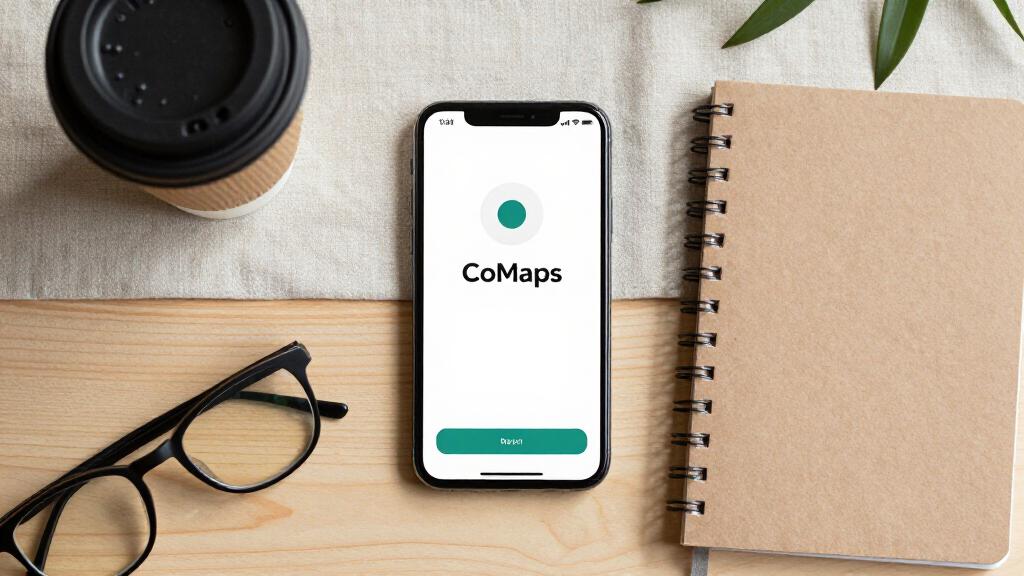
CoMaps, a mapping platform, has officially integrated with the FLOSS ecosystem, enabling better interoperability with other open-source mapping tools. This move aims to foster collaboration and expand functionality within the open-source mapping community.
CoMaps, a prominent open-source mapping platform, has officially announced its integration with the broader FLOSS (Free/Libre and Open Source Software) mapping ecosystem. This development aims to improve interoperability between CoMaps and other FLOSS tools, facilitating greater collaboration among developers and users in the open-source mapping community. The integration is expected to enhance data sharing, tool compatibility, and community-driven development, making it a notable milestone for open-source geospatial projects.
The integration was publicly revealed through a blog post by the CoMaps development team on April 27, 2024. According to the post, CoMaps has adopted standardized APIs and data formats used widely across FLOSS mapping projects, such as OSM (OpenStreetMap) data protocols and the MapLibre rendering library. This allows users and developers to seamlessly connect CoMaps with other tools like QGIS, MapServer, and Leaflet, which are staples in the open-source geospatial ecosystem.
Developers involved in the project indicated that this move was driven by a desire to foster a more collaborative environment. CoMaps’ core team stated that the integration will enable third-party developers to build plugins and extensions more easily, leveraging the open standards now supported. The company emphasized that this step aligns with its mission to promote open data, transparency, and community-driven innovation in mapping technology.
While the technical details of the integration are still being finalized, early demonstrations showed that users can now import and export data across multiple platforms without significant compatibility issues. The team also highlighted plans to develop comprehensive documentation and developer tools to encourage wider adoption within the FLOSS community.
Impact on Open-Source Mapping Collaboration
This integration is significant because it bridges gaps between various open-source mapping tools, enabling more cohesive workflows and data sharing. By adopting common standards, CoMaps lowers barriers for contributors and users, fostering a more collaborative environment. It also positions CoMaps as a central hub within the FLOSS geospatial ecosystem, potentially increasing its adoption and influence.
In practical terms, users will benefit from improved interoperability, reducing the need for cumbersome data conversions or multiple platform switches. For developers, the opportunity to create more versatile plugins and extensions could accelerate innovation and community contributions, strengthening the overall open-source mapping landscape.
As an affiliate, we earn on qualifying purchases.
Background on CoMaps and FLOSS Mapping Tools
CoMaps emerged as an open-source mapping platform aimed at providing accessible, customizable mapping solutions for a variety of users, from hobbyists to professionals. It has gained recognition for its user-friendly interface and support for open data standards. Over recent years, the FLOSS mapping ecosystem has expanded, with projects like OpenStreetMap, QGIS, MapLibre, and Leaflet playing key roles in geospatial data collection, visualization, and analysis.
Prior to this announcement, interoperability between these tools was often limited, requiring manual data conversions or custom integrations. Efforts to standardize data formats and APIs have been ongoing, but widespread adoption has been uneven. The CoMaps integration marks a deliberate step toward unifying these efforts, aligning with broader open-source principles of openness, collaboration, and shared development.
As an affiliate, we earn on qualifying purchases.
Technical and Adoption Challenges Remain
While the technical integration has been announced and initial demonstrations are promising, it is still unclear how quickly and widely the open-source community will adopt these new standards. Compatibility issues, developer engagement, and ongoing support are potential hurdles. Furthermore, the full scope of features enabled by this integration is still being developed, and user feedback is awaited to assess its practical impact.
As an affiliate, we earn on qualifying purchases.
Next Steps for BroMaps and Community Engagement
Following the announcement, the CoMaps team plans to release detailed documentation and developer tools over the coming months to facilitate integration efforts. They also intend to host webinars and community forums to gather feedback and encourage third-party development. Monitoring adoption rates and community responses will be key indicators of the success of this initiative.
Additionally, collaborations with other FLOSS projects are expected to deepen, potentially leading to new features and improved standards that benefit the entire open-source geospatial ecosystem.
As an affiliate, we earn on qualifying purchases.
Key Questions
What does CoMaps’ integration with FLOSS tools mean for users?
It allows users to transfer data seamlessly between CoMaps and other open-source mapping tools, improving workflow efficiency and data consistency.
Will this integration affect existing CoMaps users?
Initially, the impact will be limited to users involved in development and testing. Over time, standard features will become more compatible, benefiting all users.
Are there plans to expand this integration to other tools?
Yes, CoMaps and its partners plan to extend support to additional FLOSS geospatial tools as standards and community needs evolve.
When will the full features of this integration be available?
The CoMaps team has not specified an exact timeline but expects to release comprehensive documentation and support tools within the next few months.
What are the main challenges in implementing this integration?
Challenges include ensuring compatibility across diverse tools, encouraging community adoption, and maintaining ongoing support and updates.
Source: hn
Halloween Picks
halloween
As an affiliate, we earn on qualifying purchases.