

Choosing the right QA automation testing tools can significantly impact the efficiency and reliability of your software testing process. The best overall pick, Playwright, offers fast, scalable testing for modern web applications, but it might require some setup expertise. Cypress stands out for its ease of use in web testing, making it ideal for teams prioritizing simplicity. The main tradeoffs in this category include balancing advanced features against ease of use and cost. Continue reading for a detailed breakdown of the top options tailored to different testing needs and skill levels.
Open a free Amazon Business account
Business pricing, bulk buying and tax-exempt orders.
Create a free accountAs an affiliate, we earn on qualifying purchases.
Key Takeaways
- Top picks excel in balancing ease of use with advanced automation capabilities, making them suitable for varied team sizes.
- Open-source tools like Playwright and Cypress dominate due to their flexibility and community support, but may require more setup time.
- AI-powered testing tools are on the rise, offering automation that adapts and learns, yet they often come with higher costs and complexity.
- Tools specialized for enterprise environments, such as those focused on healthcare or compliance, prioritize reliability and regulatory adherence over simplicity.
- Pricing and licensing models vary widely, so evaluating total cost of ownership is essential for long-term planning.
| Hands-On Automated Testing with Playwright: Create fast, reliable, and scalable tests for modern web apps with Microsoft’s automation framework |  | Best for Practical Playwright Implementation | Framework Focus: Playwright | Test Type: Web application | Skill Level: Intermediate to advanced | VIEW LATEST PRICE | See Our Full Breakdown |
| AI for Quality Assurance and Software Testing: The Practitioner’s Complete Guide to AI-Powered Testing, Tools, and Transformation |  | Best for AI-Driven Testing Strategy | Coverage: AI in testing | Audience: Practitioners and professionals | Approach: Strategic and methodological | VIEW LATEST PRICE | See Our Full Breakdown |
| Automation Awesomeness: 260 Actionable Affirmations to Improve Your QA and Automation Testing Skills |  | Best for Confidence and Motivation Boost | Content Type: Affirmations and motivational statements | Target Audience: Automation professionals | Focus: Confidence and mindset | VIEW LATEST PRICE | See Our Full Breakdown |
| QA Testing Book: A Middle-Level Guide to Leveraging Automation Tools for Efficient QA |  | Best for Middle-Level QA Practitioners | Skill Level: Middle-level | Focus: Efficiency in automation | Content Type: Practical strategies | VIEW LATEST PRICE | See Our Full Breakdown |
| Ultimate Web Automation Testing with Cypress: Master End-to-End Web Application Testing Automation to Accelerate Your QA Process with Cypress |  | Best for End-to-End Web Testing with Cypress | Framework: Cypress | Test Type: End-to-end web testing | Skill Level: Beginner to intermediate | VIEW LATEST PRICE | See Our Full Breakdown |
| Full Stack Testing: A Practical Guide for Delivering High Quality Software |  | Best Practical Strategies for Full Stack Testing | Coverage: Full stack testing methodologies | Target Audience: Developers and QA professionals | Practicality: High, with actionable strategies | VIEW LATEST PRICE | See Our Full Breakdown |
| Modern QA Automation Architecture: Reliable Compliant Test Systems in Healthcare |  | Specialized Healthcare QA Automation Frameworks | Focus Area: Healthcare QA automation | Compliance Focus: High | Technical Details: Limited | VIEW LATEST PRICE | See Our Full Breakdown |
| How to Use AI in Test Automation: Practical Guide to Playwright, FlaUI, Cursor & AI Prompts for QA Engineers |  | Hands-On AI Integration for Test Automation | Tools Covered: Playwright, FlaUI, Cursor | Focus: AI prompts and automation strategies | Target Audience: Experienced QA engineers | VIEW LATEST PRICE | See Our Full Breakdown |
| AI Testing & Automation: A Practical Guide for Developers & QA Engineers (The AI Transformation Series) | 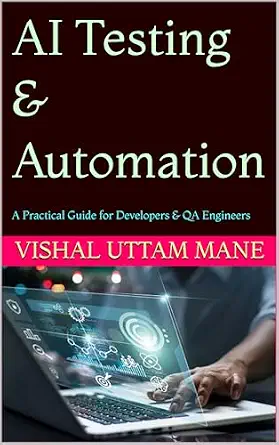 | Focused on AI Testing and Automation Strategies | Target Audience: Developers and QA engineers | Focus Area: AI testing strategies | Technical Content: Conceptual, strategic | VIEW LATEST PRICE | See Our Full Breakdown |
| All You Need to Know About Software Testing: From Beginner to Job-Ready QA Engineer |  | Comprehensive Beginner’s Guide to QA and Automation | Topics Covered: Manual testing, automation, APIs, CI/CD, AI | Target Audience: Beginners and aspiring QA engineers | Technical Depth: Introductory | VIEW LATEST PRICE | See Our Full Breakdown |
| Software Testing & QA for Beginners: Ensure Bug-Free Code with Unit Tests and Automation |  | Best for Beginners | Target Audience: Beginners, junior QA testers | Focus Areas: Unit testing, automation basics | Coverage Level: Introductory | VIEW LATEST PRICE | See Our Full Breakdown |
| Python API Automation Testing: Requests, PyTest & AI for Real-World Projects |  | Best for QA Professionals Looking to Advance API Testing Skills | Target Audience: QA engineers, automation testers | Focus Areas: API testing, Python, AI | Coverage Level: Advanced | VIEW LATEST PRICE | See Our Full Breakdown |
| QA automation testing tool | Target Audience | Format |
|---|---|---|
| Hands-On Automated Testing wit | — | Practical guide |
| AI for Quality Assurance and S | — | Theoretical and strategic |
| Automation Awesomeness: 260 Ac | Automation professionals | Short, actionable statements |
| QA Testing Book: A Middle-Leve | — | Guidebook |
| Ultimate Web Automation Testin | — | Comprehensive manual |
| Full Stack Testing: A Practica | Developers and QA professionals | — |
| Modern QA Automation Architect | — | — |
| How to Use AI in Test Automati | Experienced QA engineers | — |
| AI Testing & Automation: A Pra | Developers and QA engineers | — |
| All You Need to Know About Sof | Beginners and aspiring QA engineers | — |
| Software Testing & QA for Begi | Beginners, junior QA testers | Book |
| Python API Automation Testing: | QA engineers, automation testers | — |
More Details on Our Top Picks
Hands-On Automated Testing with Playwright: Create fast, reliable, and scalable tests for modern web apps with Microsoft’s automation framework
This book stands out for its hands-on approach to using Playwright, making it ideal for QA professionals who want to implement automation quickly and effectively. Compared with the Cypress-focused Ultimate Web Automation Testing with Cypress, this guide emphasizes creating scalable tests for modern web applications, which is essential for teams aiming for reliable browser automation. However, it lacks detailed technical examples, which might challenge those seeking in-depth coding guidance. Its focus on performance and reliability makes it a valuable resource for testers aiming to optimize web app testing workflows.
Pros:- Focuses on creating fast, reliable, and scalable web tests
- Practical guidance tailored to modern web applications
- Covers the core features of Playwright for efficient automation
Cons:- Lacks in-depth technical examples and step-by-step tutorials
- May require prior knowledge of automation testing concepts
Best for: QA engineers and developers who want a practical, modern framework for scalable web testing
Not ideal for: Beginners with no prior automation experience or those needing detailed coding tutorials, as it assumes some foundational knowledge
- Framework Focus:Playwright
- Test Type:Web application
- Skill Level:Intermediate to advanced
- Coverage:Fast, reliable, scalable tests
- Platform:Modern browsers
- Format:Practical guide
Our verdict“This book is best suited for QA professionals seeking to implement scalable Playwright tests efficiently, with some prior automation experience.”
AI for Quality Assurance and Software Testing: The Practitioner’s Complete Guide to AI-Powered Testing, Tools, and Transformation
This book makes a compelling case for integrating AI into testing processes, standing out in the lineup for its broad coverage of AI tools and methodologies. Unlike Automation Awesomeness, which emphasizes confidence-building affirmations, this guide targets strategic transformation through AI, making it ideal for QA teams ready to adopt intelligent testing solutions. The lack of specific software details could be a drawback for those seeking quick implementation, but its insights into AI-driven testing strategies are invaluable for practitioners aiming to modernize workflows.
Pros:- Comprehensive overview of AI applications in testing
- Provides practical strategies for AI-driven QA transformation
- Suitable for experienced practitioners seeking strategic insights
Cons:- Lacks specific technical tools or software tutorials
- Could be dense for readers new to AI or automation concepts
Best for: Senior QA managers and automation leads exploring AI integration in testing
Not ideal for: Beginners or those seeking step-by-step technical instructions, as it is dense and conceptual
- Coverage:AI in testing
- Audience:Practitioners and professionals
- Approach:Strategic and methodological
- Tools Discussed:Various AI-powered testing tools
- Difficulty:Advanced
- Format:Theoretical and strategic
Our verdict“This book is ideal for experienced QA professionals aiming to incorporate AI into their testing strategies, even if it lacks detailed implementation steps.”
Automation Awesomeness: 260 Actionable Affirmations to Improve Your QA and Automation Testing Skills
Compared with technical guides like Hands-On Automated Testing with Playwright, this book offers a unique motivational boost through 260 affirmations designed to enhance confidence and mindset. While it doesn’t provide detailed technical content, it helps automation professionals reinforce positive habits and self-assurance essential for tackling complex testing challenges. Its limited content scope makes it less suitable for those seeking hands-on implementation, but it fulfills a different role—building the mental resilience needed in automation projects.
Pros:- Provides a large number of actionable affirmations
- Focuses on boosting confidence and mindset
- Suitable for automation professionals seeking motivation
Cons:- No detailed technical content or step-by-step instructions
- Limited information on specific testing techniques
Best for: Automation professionals seeking confidence-building and motivational support
Not ideal for: Beginners or those looking for technical guidance or detailed test strategies
- Content Type:Affirmations and motivational statements
- Target Audience:Automation professionals
- Focus:Confidence and mindset
- Number of Affirmations:260
- Format:Short, actionable statements
- Difficulty:Basic to moderate
Our verdict“This book is best for automation testers looking to strengthen their mindset and motivation, rather than seeking technical guidance.”
QA Testing Book: A Middle-Level Guide to Leveraging Automation Tools for Efficient QA
This book is tailored for QA professionals at an intermediate level, offering practical advice on leveraging automation tools to boost testing efficiency. Unlike the more comprehensive AI for Quality Assurance, which covers broad AI strategies, this guide focuses specifically on practical techniques and best practices for automation. Its emphasis on efficiency makes it a good resource for those familiar with basic QA concepts but looking to deepen their automation expertise. The lack of detailed specifications might leave some readers wanting more technical depth or up-to-date tool comparisons.
Pros:- Provides practical guidance for automation in QA
- Focused on improving testing efficiency
- Suitable for middle-level professionals looking to enhance skills
Cons:- No detailed specifications or tool comparisons
- May require existing QA knowledge for full benefit
Best for: Mid-level QA specialists seeking practical, actionable guidance on automation tools
Not ideal for: Entry-level testers or experts needing advanced, in-depth technical content
- Skill Level:Middle-level
- Focus:Efficiency in automation
- Content Type:Practical strategies
- Tools Covered:Various automation tools
- Approach:Best practices
- Format:Guidebook
Our verdict“This book is well-suited for mid-level QA practitioners aiming to optimize automation use without overwhelming technical complexity.”
Ultimate Web Automation Testing with Cypress: Master End-to-End Web Application Testing Automation to Accelerate Your QA Process with Cypress
This book provides a thorough overview of using Cypress for web automation, making it suitable for both beginners and experienced testers wanting to streamline end-to-end testing. Unlike Hands-On Automated Testing with Playwright, which emphasizes scalability and modern frameworks, this guide focuses specifically on Cypress’s capabilities for fast, reliable web testing. Its scope is narrower, focusing solely on Cypress, which is a limitation for teams considering multiple frameworks. However, its practical approach helps QA teams accelerate their testing cycles efficiently.
Pros:- Comprehensive coverage of Cypress features
- Helps automate end-to-end web testing processes
- Suitable for both beginners and experienced testers
Cons:- Limited to Cypress, reducing scope for multi-framework environments
- Lacks specific code examples or in-depth technical tutorials
Best for: QA professionals and developers new to Cypress or seeking a comprehensive manual for end-to-end testing
Not ideal for: Teams needing multi-framework guidance or advanced technical examples beyond Cypress basics
- Framework:Cypress
- Test Type:End-to-end web testing
- Skill Level:Beginner to intermediate
- Coverage:Automation of web app tests
- Scope:Cypress-specific
- Format:Comprehensive manual
Our verdict“This book is ideal for testers and developers looking to master Cypress for efficient web application testing, especially in teams focused solely on this framework.”
Full Stack Testing: A Practical Guide for Delivering High Quality Software
This book stands out for its comprehensive coverage of testing methodologies across full stack applications, making it a valuable resource for both developers and QA teams. Unlike more technical guides like Hands-On Automated Testing with Playwright, it emphasizes practical strategies over specific tool instructions. Its strength lies in offering actionable insights that bridge development and testing, but it lacks detailed case studies or real-world examples, which can leave readers wanting more depth. This pick is best suited for teams looking for broad testing frameworks rather than technical step-by-step instructions.
Pros:- Provides broad, practical testing strategies applicable to full stack projects
- Bridges gaps between development and QA teams effectively
- Suitable for both technical and non-technical readers
Cons:- Lacks concrete examples or detailed case studies
- No information on latest edition or publication updates
Best for: QA professionals and developers seeking a holistic understanding of full stack testing strategies.
Not ideal for: Technical experts looking for detailed, step-by-step automation scripts or tool-specific tutorials.
- Coverage:Full stack testing methodologies
- Target Audience:Developers and QA professionals
- Practicality:High, with actionable strategies
- Examples:Limited, lacks detailed case studies
- Edition Info:Not specified
- Publication Date:Not specified
Our verdict“Ideal for teams wanting a broad, practical overview of full stack testing methodology, rather than specific tooling or technical depth.”
Modern QA Automation Architecture: Reliable Compliant Test Systems in Healthcare
This book specializes in designing reliable, compliant QA automation systems tailored to the healthcare sector, making it a niche choice compared to general automation guides like All You Need to Know About Software Testing. It excels in addressing the unique regulatory and reliability requirements of healthcare applications, but its technical specifications are sparse, which might frustrate those seeking detailed architecture diagrams or implementation steps. This pick makes sense for QA teams working within healthcare environments who need compliance-focused solutions, rather than generalists or those outside regulated industries.
Pros:- Provides in-depth insights into healthcare-specific QA requirements
- Focuses on creating reliable, compliant testing systems
- Addresses regulatory considerations unique to healthcare
Cons:- Lacks detailed technical specifications or implementation examples
- No available customer reviews or ratings to validate effectiveness
Best for: QA engineers and developers in healthcare technology aiming for compliant automation architectures.
Not ideal for: General QA professionals or teams outside the healthcare sector seeking broad automation strategies.
- Focus Area:Healthcare QA automation
- Compliance Focus:High
- Technical Details:Limited
- Audience:Healthcare QA professionals
- Review Data:None
- Publication Info:Not specified
Our verdict“Best suited for healthcare QA teams requiring compliance-oriented automation solutions over generic testing advice.”
How to Use AI in Test Automation: Practical Guide to Playwright, FlaUI, Cursor & AI Prompts for QA Engineers
This guide makes a strong case for integrating AI into test automation, particularly for QA engineers interested in tools like Playwright, FlaUI, and Cursor, setting it apart from more traditional books like All You Need to Know About Software Testing. Its practical approach covers AI prompts and automation strategies, but the content can be quite technical for beginners and lacks detailed technical specifications, which might challenge those new to automation. This book is best for experienced QA engineers aiming to enhance their automation workflows with AI-driven techniques rather than newcomers seeking foundational knowledge.
Pros:- Provides practical, actionable guidance on AI integration
- Covers multiple automation tools and AI prompts
- Helps enhance testing efficiency with AI techniques
Cons:- No detailed technical specifications or deep technical content
- Could be too advanced for beginners
Best for: Experienced QA engineers seeking to incorporate AI into their automation workflows.
Not ideal for: Beginners or QA teams looking for introductory guides without prior automation or AI experience.
- Tools Covered:Playwright, FlaUI, Cursor
- Focus:AI prompts and automation strategies
- Target Audience:Experienced QA engineers
- Technical Depth:High
- Content Specifics:Practical guidance, no detailed specs
- Publication Info:Not specified
Our verdict“Best for experienced QA professionals looking to leverage AI to boost automation effectiveness, not suitable for absolute beginners.”
AI Testing & Automation: A Practical Guide for Developers & QA Engineers (The AI Transformation Series)
This book emphasizes AI-driven testing techniques tailored for developers and QA engineers, making it a good complement to the more tool-focused How to Use AI in Test Automation. Its strength lies in translating AI concepts into practical testing strategies, but it offers limited technical specifics, which could leave practitioners wanting detailed implementation guidance. It fits best for teams already familiar with AI basics who want to understand how to apply AI in testing rather than those seeking step-by-step technical instructions.
Pros:- Provides practical insights into AI testing strategies
- Focuses on integrating AI into existing workflows
- Part of a reputable series emphasizing AI transformation
Cons:- Limited technical specifications or implementation details
- No customer reviews or ratings available
Best for: Developers and QA engineers interested in applying AI concepts to testing workflows.
Not ideal for: Beginners or teams seeking in-depth technical tutorials without prior AI experience.
- Target Audience:Developers and QA engineers
- Focus Area:AI testing strategies
- Technical Content:Conceptual, strategic
- Series:The AI Transformation Series
- Availability:No reviews or ratings
- Publication Date:Not specified
Our verdict“Ideal for teams with AI foundational knowledge seeking strategic guidance on AI testing integration, not for beginners or detailed technical guides.”
All You Need to Know About Software Testing: From Beginner to Job-Ready QA Engineer
This book covers a broad spectrum of testing topics, including manual testing, automation, APIs, Selenium, Playwright, CI/CD, and AI-assisted QA, making it an ideal starting point for aspiring QA engineers. Compared to specialized titles like How to Use AI in Test Automation, it offers a more general overview suitable for newcomers. However, its lack of specific pricing, detailed technical content, or edition information may limit its usefulness for those seeking in-depth or up-to-date technical guidance. This pick makes the most sense for beginners aiming to build foundational knowledge across multiple testing areas.
Pros:- Covers a wide range of testing topics including automation and AI
- Good for beginners aspiring to become QA engineers
- Includes practical insights on popular tools like Selenium and Playwright
Cons:- No specific pricing or edition details provided
- Lacks in-depth technical content or recent updates
Best for: Beginners aiming to start a career in QA with a broad overview of testing tools and concepts.
Not ideal for: Experienced QA professionals or developers looking for advanced technical guides or specific tool instructions.
- Topics Covered:Manual testing, automation, APIs, CI/CD, AI
- Target Audience:Beginners and aspiring QA engineers
- Technical Depth:Introductory
- Edition Info:Not specified
- Pricing Info:Not provided
- Customer Ratings:None
- Publication Date:Not specified
Our verdict“Best suited for beginners seeking a broad, foundational understanding of QA and automation tools to start their testing careers.”
Software Testing & QA for Beginners: Ensure Bug-Free Code with Unit Tests and Automation
This book makes a solid choice for newcomers to QA automation, especially those who need a straightforward introduction to fundamental concepts like unit testing and automation techniques. Compared with more technical books like Python API Automation Testing, it lacks depth for advanced users but excels at providing clear, accessible guidance for beginners. Its focus on practical techniques helps new testers produce more reliable, bug-free code without overwhelming them with complex details. However, it doesn’t cover advanced testing frameworks or deep technical specifics, which may leave experienced QA professionals seeking more advanced content. This pick is ideal for those just starting out and wanting practical, easy-to-understand guidance on automation basics.
Pros:- Clear, accessible introduction to testing concepts and automation
- Focuses on practical techniques that can be immediately applied
- Helps reduce bugs early in the development cycle
Cons:- Lacks detailed technical depth for experienced testers
- No insights into advanced automation frameworks
- Limited coverage of complex testing scenarios
Best for: Beginners or junior QA engineers seeking foundational knowledge and practical testing techniques
Not ideal for: Experienced QA professionals or automation engineers looking for in-depth technical frameworks and advanced strategies
- Target Audience:Beginners, junior QA testers
- Focus Areas:Unit testing, automation basics
- Coverage Level:Introductory
- Practical Techniques:Yes
- Technical Depth:Basic
- Format:Book
Our verdict“This book is best suited for beginners who need a straightforward, real-world introduction to QA automation without technical clutter.”
Python API Automation Testing: Requests, PyTest & AI for Real-World Projects
This book stands out for its focused coverage of API automation testing with Python, making it a strong choice for QA professionals aiming to deepen their technical expertise. Unlike the more general QA concepts in Software Testing & QA for Beginners, this guide dives into specific tools like requests and PyTest, with a noteworthy emphasis on real-world projects and AI integration. Its practical approach helps testers implement automation in complex, real-world scenarios, but it assumes prior Python knowledge, which could be a barrier for some users. Compared with broad-spectrum books, it offers targeted, in-depth guidance for API testing, making it ideal for those already familiar with basic testing principles but wanting to specialize further.
Pros:- In-depth coverage of API testing tools like requests and PyTest
- Includes real-world project examples for practical learning
- Explores AI integration to enhance automation capabilities
- Focuses on applicable, industry-relevant techniques
Cons:- Requires prior Python knowledge, limiting accessibility for complete beginners
- No detailed technical specifications provided
- May be overwhelming for those new to automation
Best for: QA engineers and automation testers with basic Python skills seeking to specialize in API testing and AI integration
Not ideal for: Beginners with no programming background or testers looking for a general overview of QA concepts
- Target Audience:QA engineers, automation testers
- Focus Areas:API testing, Python, AI
- Coverage Level:Advanced
- Tools Covered:requests, PyTest, AI frameworks
- Project Focus:Real-world applications
- Prerequisites:Basic Python knowledge
Our verdict“This book is best suited for experienced QA professionals who want to deepen their API automation skills and incorporate AI into their workflows.”

How We Picked
I evaluated these QA automation testing tools based on key criteria that matter most to testers and development teams. Performance metrics such as test speed, reliability, and scalability were prioritized, along with usability factors like ease of setup, user interface, and documentation quality. I also considered the flexibility of integrations, support for different programming languages, and overall value in terms of cost versus features. The ranking reflects a balance of these factors, favoring tools that deliver robust automation capabilities while remaining accessible to a range of skill levels and project sizes.| QA automation testing tool | Format |
|---|---|
| Hands-On Automated Testing wit | Practical guide |
| AI for Quality Assurance and S | Theoretical and strategic |
| Automation Awesomeness: 260 Ac | Short, actionable statements |
| QA Testing Book: A Middle-Leve | Guidebook |
| Ultimate Web Automation Testin | Comprehensive manual |
| Full Stack Testing: A Practica | — |
| Modern QA Automation Architect | — |
| How to Use AI in Test Automati | — |
| AI Testing & Automation: A Pra | — |
| All You Need to Know About Sof | — |
| Software Testing & QA for Begi | Book |
| Python API Automation Testing: | — |
Factors to Consider When Choosing QA Automation Testing Tools
When selecting QA automation testing tools, it’s important to consider several factors beyond just features. The right tool depends on your team’s technical skills, project complexity, and long-term testing goals. Making the wrong choice can lead to wasted time, increased costs, or unreliable test results. Here are key considerations to keep in mind to ensure you pick a solution that aligns with your needs.Ease of Use and Learning Curve
Some tools are designed for quick setup and intuitive interfaces, making them suitable for teams without extensive automation experience. Others offer advanced features that require a steeper learning curve but provide more customization. Consider your team’s skill level and whether you need a tool that can be adopted rapidly or one that offers deep configurability for complex test scenarios.
Integration and Compatibility
Ensure the tool integrates smoothly with your existing CI/CD pipelines, version control systems, and testing frameworks. Compatibility with programming languages used in your projects is also crucial—some tools support only JavaScript, Python, or Java, which can influence your choice. Overlooking integration capabilities may lead to fragmented workflows and reduced automation efficiency.
Scalability and Performance
In fast-paced development environments, test execution speed and scalability are vital. Some tools excel at running large test suites in parallel across multiple environments, reducing feedback cycles. Choosing a solution that scales well ensures your testing process can grow with your projects without becoming a bottleneck.
Cost and Licensing
Open-source options provide flexibility and no licensing fees but may require more setup and maintenance effort. Commercial tools often include dedicated support, training, and additional features, but at a higher cost. Carefully assess your budget and long-term needs to avoid overspending or missing critical support features.
Support and Community
A vibrant user community and active support channels can be invaluable, especially when troubleshooting issues or seeking best practices. Established tools with large user bases tend to evolve faster and offer more resources, making them safer bets for long-term projects.
Frequently Asked Questions
How do I choose between open-source and commercial QA automation tools?
Open-source tools like Playwright or Cypress offer flexibility, community support, and no licensing costs, making them attractive for teams with technical expertise. Commercial tools may provide more comprehensive support, advanced features, and easier onboarding, which can save time and reduce risk, especially for larger or enterprise projects. Your decision should balance your team’s technical skills, budget constraints, and the level of dedicated support you require.
Can these tools integrate with my existing CI/CD pipelines?
Most leading QA automation tools are designed with integration in mind, supporting popular CI/CD platforms like Jenkins, GitLab CI, or CircleCI. Compatibility varies, so it’s wise to verify specific integration capabilities before choosing a tool. Proper integration reduces manual effort, accelerates feedback loops, and improves overall testing efficiency, making it a key factor in your decision process.
Are AI-powered testing tools worth the investment?
AI-powered testing tools are becoming increasingly capable of reducing manual effort by intelligently adapting tests and identifying flaky tests. However, they tend to come with higher costs and require a learning curve. If your team already has a solid automation foundation and your projects demand frequent updates, AI tools can deliver significant productivity gains. For smaller teams or simpler projects, traditional tools may suffice without the added complexity.
What should I prioritize if I need a tool for web application testing?
For web testing, prioritize tools that support modern browser automation, such as Playwright or Cypress, which excel in speed and reliability. Look for features like cross-browser testing, headless execution, and easy debugging. The ability to write tests in familiar languages and integrate with your development environment also matters. Selecting a tool with robust community support can help resolve issues quickly and improve test coverage over time.
How important is support for multiple programming languages?
If your team works across different tech stacks, choosing a tool that supports multiple languages can streamline development and maintenance. For example, some tools are primarily JavaScript-based, while others support Python, Java, or C#. Ensuring language compatibility reduces the need for language-specific workarounds and helps keep your testing process consistent and manageable across diverse projects.
Conclusion
For teams seeking a reliable, easy-to-use solution, Cypress offers excellent value and simplicity, making it ideal for small to medium projects or newcomers. Organizations with complex needs or those prioritizing scalability should consider Playwright as the best overall choice, thanks to its versatility and performance. Premium enterprise teams or those in regulated industries might find specialized tools focusing on compliance or integration to be the best fit. Budget-conscious teams and open-source advocates will appreciate the flexibility of free, community-supported options, while larger organizations should weigh the benefits of dedicated support and advanced features when choosing a premium solution.
Grilling season Picks
grills
As an affiliate, we earn on qualifying purchases.