

As the leaves fall, so does the urgency to refine your software testing approach for the upcoming season. The best software testing tools for fall 2026 help teams improve automation, leverage AI, and streamline QA processes. The overall standout pick is AI-Driven Software Testing for its advanced automation capabilities, while Software Testing with Selenium offers a reliable choice for browser automation, especially for teams focused on web apps. However, choosing the right tool involves balancing factors like ease of use, integration options, and cost. Many options excel in automation but can be complex or expensive for smaller teams. Continue reading for a detailed breakdown of the top testing tools for fall 2026 and what makes each unique.

Get business pricing on monitors, keyboards and dev gear
- Business-only prices and quantity discounts
- Tax-exempt purchasing
- Multiple users, one account, clear invoices
Key Takeaways
- The top picks combine AI-powered automation with user-friendly interfaces, catering to both advanced and beginner testers.
- Price and complexity vary widely; some tools offer premium features at a premium cost, while others prioritize simplicity and affordability.
- Integration with CI/CD pipelines remains a key differentiator, especially for teams adopting DevOps practices.
- Browser automation tools like Selenium continue to dominate, but AI-enhanced testing tools are gaining ground rapidly.
- Choosing the right testing tool depends heavily on your team’s experience level, testing focus, and budget constraints.
| The Agile Samurai: How Agile Masters Deliver Great Software |  | Best for Agile Teams and Managers | Format: Paperback | Pages: 240 | Publication Year: 2012 | VIEW LATEST PRICE | See Our Full Breakdown |
| Software Testing Unlocked – A Beginner’s Guide to QA & Automation |  | Best for QA Beginners and Entry-Level Testers | Format: Paperback | Pages: 180 | Publication Year: 2023 | VIEW LATEST PRICE | See Our Full Breakdown |
| Full Stack Testing: A Practical Guide for Delivering High Quality Software |  | Best for Developers and QA Practitioners in Full Stack Environments | Format: Hardcover | Pages: 310 | Publication Year: 2022 | VIEW LATEST PRICE | See Our Full Breakdown |
| Software Testing in the AI Era: A Complete Guide for Modern Testers |  | Best for Testers Working with AI-Driven Applications | Format: eBook | Pages: 220 | Publication Year: 2023 | VIEW LATEST PRICE | See Our Full Breakdown |
| AI-Driven Software Testing: Transforming Software Testing with Artificial Intelligence and Machine Learning | 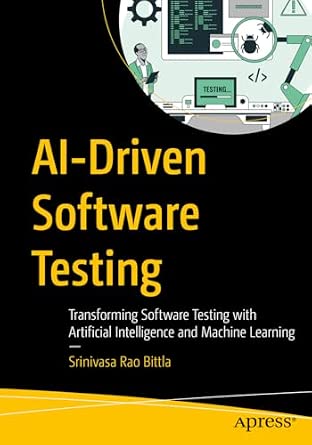 | Best for Advanced Testers and AI Enthusiasts | Format: Hardcover | Pages: 280 | Publication Year: 2023 | VIEW LATEST PRICE | See Our Full Breakdown |
| Software Testing with Selenium Automated Testing Tool: Selenium Book for Beginners |  | Best for Beginners Learning Automated Testing | Focus: Introductory Selenium testing | Audience: Beginners and new testers | Content: Concepts, practical examples | VIEW LATEST PRICE | See Our Full Breakdown |
| Software Test Design: Write Comprehensive Test Plans to Uncover Critical Bugs in Web, Desktop, and Mobile Apps | 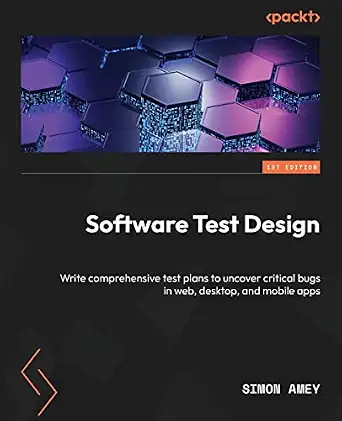 | Best for Test Planning and Multi-Platform Testing | Focus: Test planning for cross-platform apps | Audience: QA managers and experienced testers | Content: Test strategies, bug detection | VIEW LATEST PRICE | See Our Full Breakdown |
| AI Testing with Python: Build Intelligent Test Automation Using Python, Selenium, APIs, PyTest, LLMs & AI-Powered Testing Tools |  | Best for AI-Driven Test Automation Enthusiasts | Focus: AI-enhanced test automation | Audience: Advanced testers and automation specialists | Content: Python, Selenium, APIs, LLMs | VIEW LATEST PRICE | See Our Full Breakdown |
| Software Testing and Quality Assurance: Exploring Testing Levels, Test Tools, Automation, and Quality Metrics for Improved Software Quality |  | Best for In-Depth QA Strategy and Metrics | Focus: Testing levels, tools, metrics | Audience: QA professionals and students | Content: Automation, metrics, testing strategies | VIEW LATEST PRICE | See Our Full Breakdown |
| Full Stack Testing: A Practical Guide for Delivering High Quality Software in the Age of AI |  | Best for Practical Full Stack Testing in AI Contexts | Focus: Full stack testing in AI context | Audience: Developers and QA teams in AI projects | Content: Testing methodologies, best practices | VIEW LATEST PRICE | See Our Full Breakdown |
| All You Need to Know About Software Testing: From Beginner to Job-Ready QA Engineer |  | Best for Beginners Entering QA Careers | Coverage of manual and automation testing: Yes | Includes API testing and CI/CD concepts: Yes | Focus on AI-assisted QA: Yes | VIEW LATEST PRICE | See Our Full Breakdown |
| ISTQB Advanced Agile Tester Study Guide, Second Edition |  | Best for Certification Preparation | Alignment with ISTQB syllabus: Yes | Includes mock exams: Yes | Detailed rationales for answers: Yes | VIEW LATEST PRICE | See Our Full Breakdown |
| The Future of Software Testing |  | Best for Industry Insights and Trend Awareness | Focus on emerging trends: Yes | In-depth industry analysis: Yes | Designed for professionals and students: Yes | VIEW LATEST PRICE | See Our Full Breakdown |
| Spec-Driven Software Testing with AI: Build Reliable Test Suites from Specifications with AI, Test Automation, TDD, API Testing, and CI/CD |  | Best for AI-Driven Testing and Automation Experts | Focus on AI-driven testing: Yes | Includes TDD, API testing: Yes | Integration with CI/CD: Yes | VIEW LATEST PRICE | See Our Full Breakdown |
| Software Testing with Python: Build Reliable, Maintainable Test Suites with pytest, unittest, Fixtures, Mocking, Integration Testing, Coverage, TDD, and Real-World Automation |  | Best for Python Developers Focused on Maintainability | Focus on pytest and unittest: Yes | Includes mocking and fixtures: Yes | Covers integration testing, coverage, TDD: Yes | VIEW LATEST PRICE | See Our Full Breakdown |
| software testing tools for fall | Format |
|---|---|
| The Agile Samurai: How Agile M | Paperback |
| Software Testing Unlocked | Paperback |
| Full Stack Testing: A Practica | Hardcover |
| Software Testing in the AI Era | eBook |
| AI-Driven Software Testing: Tr | Hardcover |
| Software Testing with Selenium | — |
| Software Test Design: Write Co | — |
| AI Testing with Python: Build | — |
| Software Testing and Quality A | — |
| Full Stack Testing: A Practica | — |
| All You Need to Know About Sof | Comprehensive guide |
| ISTQB Advanced Agile Tester St | Study guide |
| The Future of Software Testing | — |
| Spec-Driven Software Testing w | — |
| Software Testing with Python: | Technical guide |
More Details on Our Top Picks
The Agile Samurai: How Agile Masters Deliver Great Software
This book stands out for its practical insights into agile development, making it ideal for teams seeking effective collaboration and delivery. Compared with technical testing guides like Software Testing Unlocked, it focuses more on team dynamics than specific testing procedures. However, it lacks detailed technical methods, limiting its usefulness for testers looking for hands-on tools. This pick is perfect for managers and developers wanting to embed agile principles into their testing workflows.
Pros:- Provides practical, team-focused insights into agile practices
- Emphasizes effective collaboration which improves overall project quality
- Suitable for software professionals involved in project management or development
Cons:- No specific technical testing or automation details
- Less relevant for those wanting in-depth testing methodologies
Best for: Agile teams and project managers seeking to improve collaboration and delivery practices
Not ideal for: Testers seeking step-by-step technical testing instructions or automation frameworks
- Format:Paperback
- Pages:240
- Publication Year:2012
- Language:English
Our verdict“This book is best for agile-focused teams aiming to enhance collaboration rather than technical testing specifics.”
Software Testing Unlocked – A Beginner’s Guide to QA & Automation
This book makes the onboarding process for new QA professionals straightforward with its step-by-step approach, ideal for those starting their testing careers. Unlike Full Stack Testing, which assumes some experience, this guide simplifies foundational concepts, making it especially suitable for newcomers. Its focus on automation basics is helpful, but it doesn’t include advanced technical examples, which could limit learning for more experienced testers. This makes it a solid choice for entry-level QA aspirants preparing for their first role.
Pros:- Clear, sequential guidance tailored for beginners
- Covers essential QA fundamentals and automation basics
- Prepares readers for initial QA roles effectively
Cons:- Lacks detailed technical examples or code snippets
- No mention of updated editions or supplementary resources
Best for: Beginners seeking a clear, guided pathway into QA and automation testing
Not ideal for: Experienced testers or automation engineers looking for in-depth technical details or advanced strategies
- Format:Paperback
- Pages:180
- Publication Year:2023
- Language:English
Our verdict“This book is ideal for newcomers aiming to build a solid foundation in QA and automation without overwhelming technical complexity.”
Full Stack Testing: A Practical Guide for Delivering High Quality Software
This guide provides comprehensive strategies for testing full stack applications, making it suitable for both developers and QA teams. Compared with Software Testing Unlocked, which targets beginners, this book dives into more complex testing methodologies tailored for real-world, high-quality delivery. However, it lacks specific edition or experience-level guidance, which might leave less experienced testers uncertain about where to start. It’s best suited for those already familiar with basic testing concepts but needing practical, end-to-end testing approaches for complex stacks.
Pros:- Covers end-to-end testing techniques for full stack applications
- Provides practical advice applicable to real development environments
- Suitable for both developers and QA teams working collaboratively
Cons:- No specific details on edition or target experience level
- Lacks in-depth technical examples for some methodologies
Best for: Developers and QA professionals working on full stack projects seeking practical, real-world strategies
Not ideal for: Absolute beginners or testers focused solely on front-end or back-end testing without full stack context
- Format:Hardcover
- Pages:310
- Publication Year:2022
- Language:English
Our verdict“This book is best for experienced full stack developers and QA teams needing practical testing guidance across the entire application stack.”
Software Testing in the AI Era: A Complete Guide for Modern Testers
This book offers a thorough overview of testing strategies tailored for AI applications, making it ideal for testers working in modern, AI-powered environments. It covers a broad array of techniques, unlike AI-Driven Software Testing, which focuses more on specific AI tools and techniques. Its lack of detailed specifications or real-world case studies might limit practical implementation. However, for testers looking to understand the evolving landscape of AI testing, this resource provides valuable strategic insights without overwhelming technical details.
Pros:- Offers broad, strategic coverage of AI testing techniques
- Addresses modern testing challenges for AI applications
- Useful for testers wanting to stay current with AI trends
Cons:- Lacks specific technical specifications or code examples
- Limited practical, hands-on guidance
Best for: Testers involved in AI or machine learning projects needing a comprehensive strategic overview
Not ideal for: Beginners or testers seeking detailed technical implementation steps for AI testing tools
- Format:eBook
- Pages:220
- Publication Year:2023
- Language:English
Our verdict“This book fits testers exploring AI-related testing strategies who want a high-level understanding without technical complexity.”
AI-Driven Software Testing: Transforming Software Testing with Artificial Intelligence and Machine Learning
This book provides in-depth insights into how AI and machine learning are revolutionizing testing processes, ideal for testers and developers with some background in AI. Unlike Software Testing in the AI Era, which offers broad strategies, this title dives into specific techniques and innovative approaches powered by AI, helping to improve testing efficiency and accuracy. However, it omits detailed technical implementation steps, which might frustrate those seeking practical, step-by-step guides. It’s best suited for experienced, technically inclined professionals interested in the cutting edge of AI testing.
Pros:- Provides detailed insights into AI and machine learning applications in testing
- Focuses on innovative techniques to enhance testing accuracy and efficiency
- Ideal for professionals interested in the future of AI testing
Cons:- No detailed technical implementation steps provided
- Too advanced for those new to AI or automation
Best for: Experienced testers and developers wanting to incorporate AI and ML into their testing workflows
Not ideal for: Beginners or testers without prior AI knowledge who need foundational training
- Format:Hardcover
- Pages:280
- Publication Year:2023
- Language:English
Our verdict“This book is best for seasoned professionals aiming to leverage AI and ML for next-generation testing strategies.”
Software Testing with Selenium Automated Testing Tool: Selenium Book for Beginners
This book stands out for offering a clear, approachable introduction to Selenium automation, making it an ideal starting point for newcomers. Compared with more advanced resources like AI Testing with Python, it lacks coverage of sophisticated techniques and troubleshooting, but it compensates with practical, step-by-step guidance. If you’re new to test automation and want a solid foundation, this guide provides essential concepts without overwhelming details. However, experienced testers seeking deep troubleshooting or advanced strategies might find it too basic. The focus on fundamental Selenium concepts makes it perfect for those just beginning their automation journey, but less suitable for professionals aiming for complex test frameworks.
Pros:- Clear, beginner-friendly explanations
- Includes practical examples to facilitate learning
- Covers fundamental Selenium concepts thoroughly
Cons:- Lacks coverage of advanced testing strategies
- No detailed troubleshooting or debugging sections
Best for: Testers new to automation who need a straightforward, beginner-friendly resource
Not ideal for: Experienced automation engineers seeking advanced testing techniques or troubleshooting guides
- Focus:Introductory Selenium testing
- Audience:Beginners and new testers
- Content:Concepts, practical examples
- Depth:Basic level
- Coverage:Fundamental Selenium features
- Difficulty:Beginner
Our verdict“This book is best suited for beginners starting out with Selenium automation but not for seasoned testers seeking advanced methods.”
Software Test Design: Write Comprehensive Test Plans to Uncover Critical Bugs in Web, Desktop, and Mobile Apps
This book makes the most sense for testers who want to develop thorough, effective test plans across various platforms, including web, desktop, and mobile. Unlike AI Testing with Python, which emphasizes automation and AI integration, this resource focuses on strategic test design and bug detection through meticulous planning. It offers detailed guidance on how to structure test cases and improve overall software quality, but it doesn’t specify particular tools or automation techniques, which could limit its practicality for those seeking hands-on automation strategies. If your goal is to refine your testing strategies and improve bug detection across multiple platforms, this book is a solid choice. Conversely, testers looking for automation frameworks or coding examples might find it lacking.
Pros:- Detailed guidance on test planning processes
- Covers testing for web, desktop, and mobile apps
- Helps improve overall software quality through strategic testing
Cons:- No specific tools or automation techniques discussed
- Lacks practical step-by-step automation instructions
Best for: Test leads and QA professionals designing comprehensive test plans for cross-platform applications
Not ideal for: Entry-level testers or those seeking detailed automation or scripting guidance
- Focus:Test planning for cross-platform apps
- Audience:QA managers and experienced testers
- Content:Test strategies, bug detection
- Depth:Intermediate to advanced
- Coverage:Web, desktop, mobile
- Practicality:Planning-focused
Our verdict“Ideal for experienced testers focused on strategic test planning across multiple platforms but less suited for automation beginners.”
AI Testing with Python: Build Intelligent Test Automation Using Python, Selenium, APIs, PyTest, LLMs & AI-Powered Testing Tools
This book is perfect for testers aiming to incorporate AI and advanced automation techniques into their workflows, especially if they are comfortable with Python and automation scripting. Compared to the more basic Selenium Book for Beginners, it covers a broader spectrum of AI-powered testing tools, APIs, and large language models, making it a comprehensive resource for future-proofing QA processes. However, its technical depth can be a hurdle for beginners or those new to programming, and it lacks specific pricing details, which could be relevant for budget-conscious teams. For testers eager to leverage AI and automation to boost testing efficiency, this guide offers practical insights, but less experienced users may find it overwhelming.
Pros:- Covers a wide range of AI-powered testing tools
- Includes practical examples with Python, Selenium, and APIs
- Focuses on automating and enhancing testing efficiency
Cons:- Content can be too technical for beginners
- No specific pricing or rating info provided
Best for: Senior testers and automation engineers seeking to integrate AI into their testing frameworks
Not ideal for: Beginners or testers unfamiliar with Python and automation concepts
- Focus:AI-enhanced test automation
- Audience:Advanced testers and automation specialists
- Content:Python, Selenium, APIs, LLMs
- Depth:Advanced
- Coverage:AI tools, automation frameworks
- Prerequisites:Python knowledge required
Our verdict“This book is tailored for experienced testers looking to harness AI and automation for smarter testing but isn’t suitable for newcomers to programming.”
Software Testing and Quality Assurance: Exploring Testing Levels, Test Tools, Automation, and Quality Metrics for Improved Software Quality
This comprehensive guide makes sense for professionals who want a broad, detailed understanding of testing levels, automation, and quality metrics, similar in scope to Full Stack Testing. It excels in providing insights into various testing phases and measurement strategies, making it valuable for QA teams aiming to refine their overall approach. However, it might be too dense or technical for beginners or those seeking quick, practical automation tutorials. If your focus is on elevating your testing maturity and understanding quality metrics deeply, this book offers substantial value. For those seeking straightforward, hands-on automation instructions, other resources may be more appropriate.
Pros:- Extensive coverage of testing levels and tools
- Includes practical insights on automation and metrics
- Suitable for professional and academic audiences
Cons:- Lacks practical step-by-step automation tutorials
- Content may be too technical for novices
Best for: QA managers and experienced testers focused on strategic quality improvement
Not ideal for: Beginners or testers seeking quick automation guides without detailed metrics and levels
- Focus:Testing levels, tools, metrics
- Audience:QA professionals and students
- Content:Automation, metrics, testing strategies
- Depth:Advanced
- Coverage:End-to-end testing, metrics
- Approach:Theoretical and practical insights
Our verdict“Best for experienced QA professionals seeking an in-depth understanding of testing strategies, levels, and quality metrics, but less ideal for beginners.”
Full Stack Testing: A Practical Guide for Delivering High Quality Software in the Age of AI
This pick makes the most sense for practitioners who want concrete strategies for implementing full stack testing, especially when integrating AI components into their software. Compared with the more theoretical Software Testing and Quality Assurance, this guide emphasizes actionable methods and practical guidance. However, it doesn’t include detailed case studies, which could help illustrate complex scenarios, and its technical language may challenge beginners. If you’re involved in developing AI-enabled applications and need a hands-on approach to testing across the stack, this book offers valuable insights. Conversely, those new to testing or seeking extensive case studies might find it less helpful.
Pros:- Practical, actionable testing strategies
- Focus on AI-related testing techniques
- Covers the entire software stack comprehensively
Cons:- Lacks detailed case studies
- May be too technical for newcomers
Best for: Full stack developers and QA teams working on AI-infused software products
Not ideal for: Beginners or testers looking for detailed case studies or foundational concepts
- Focus:Full stack testing in AI context
- Audience:Developers and QA teams in AI projects
- Content:Testing methodologies, best practices
- Depth:Technical and practical
- Coverage:Entire software stack
- Approach:Hands-on guidance
Our verdict“This book suits testers involved in AI-enabled software development who need practical, stack-wide testing guidance, but less so for beginners or those seeking case studies.”
All You Need to Know About Software Testing: From Beginner to Job-Ready QA Engineer
This comprehensive guide stands out for providing a broad overview of manual testing, automation, APIs, Selenium, Playwright, CI/CD, and AI-assisted QA—making it ideal for those starting out. Unlike specialized tools like Spec-Driven Software Testing with AI, which focus on advanced automation techniques, this resource offers a foundational understanding that prepares newcomers for real-world roles. However, it lacks detailed technical specifications and specific product features, which might be a drawback for learners seeking hands-on tools. Still, its focus on practical knowledge makes it a solid starting point for aspiring QA engineers who want a well-rounded introduction without overwhelming technical complexity.
Pros:- Covers a wide range of testing topics including automation and AI tools
- Provides practical knowledge geared toward job readiness
- Suitable for beginners with no prior testing experience
Cons:- Lacks detailed technical specifications and product features
- No customer reviews or ratings to validate effectiveness
Best for: Beginners aiming to build a solid foundation in software testing and start a QA career
Not ideal for: Experienced testers looking for deep technical tools or specific automation frameworks
- Coverage of manual and automation testing:Yes
- Includes API testing and CI/CD concepts:Yes
- Focus on AI-assisted QA:Yes
- Target audience:Beginners to aspiring QA engineers
- Format:Comprehensive guide
- Technical depth:Introductory
- Customer reviews:Not available
- Price:Not specified
Our verdict“Ideal for beginners seeking an all-in-one introduction to modern software testing concepts and career preparation.”
ISTQB Advanced Agile Tester Study Guide, Second Edition
This study guide is tailored for those preparing for the ISTQB Agile Tester certification exam, aligning closely with the latest syllabus and including realistic mock exams with detailed rationales. Compared to The Future of Software Testing, which explores emerging trends rather than certification specifics, this guide offers targeted, exam-focused content. Its comprehensive coverage of Agile testing concepts makes it highly suitable for intermediate testers seeking certification but may lack appeal for those not pursuing formal credentials. The absence of customer ratings and pricing details is a minor drawback, but its structured approach makes it a valuable resource for exam success.
Pros:- Aligned with the latest ISTQB CTAL-AT v2.0 syllabus
- Includes realistic mock exams with rationales
- Comprehensive coverage of Agile testing principles
Cons:- No specific price information provided
- No customer ratings available
Best for: Testers preparing for the ISTQB Agile Tester certification
Not ideal for: Professionals not seeking certification or those interested in broader testing trends
- Alignment with ISTQB syllabus:Yes
- Includes mock exams:Yes
- Detailed rationales for answers:Yes
- Target audience:Intermediate testers and certification candidates
- Format:Study guide
- Technical depth:Moderate
- Customer reviews:Not available
- Price:Not specified
Our verdict“Best suited for testers aiming to pass the ISTQB Agile Tester exam with structured, exam-focused study material.”
The Future of Software Testing
This book offers a detailed look into emerging trends and innovative techniques shaping the future of software testing, making it ideal for professionals and students eager to stay ahead of industry changes. Unlike All You Need to Know about Software Testing, which focuses on foundational skills, this publication explores advanced concepts and evolving methodologies. Its lack of concrete technical specifications might be a limitation for those seeking practical, hands-on guidance, but its insights into future directions can inspire strategic thinking. If you’re interested in the theoretical and strategic aspects of testing’s future, this book makes a compelling case.
Pros:- Provides insights into emerging trends in software testing
- Suitable for professionals and students wanting to understand future directions
- Explores innovative testing techniques and methodologies
Cons:- No detailed specifications or product features
- Lacks practical guidance or hands-on instructions
- No customer reviews or ratings available
Best for: Experienced testers and students interested in industry trends and future methodologies
Not ideal for: Beginners or those seeking practical, hands-on testing techniques
- Focus on emerging trends:Yes
- In-depth industry analysis:Yes
- Designed for professionals and students:Yes
- Hands-on techniques:Limited
- Customer reviews:Not available
- Price:Not specified
- Edition:Latest
- Target audience:Advanced testers, students
Our verdict“Best for those looking to understand the evolving landscape and future innovations in software testing.”
Spec-Driven Software Testing with AI: Build Reliable Test Suites from Specifications with AI, Test Automation, TDD, API Testing, and CI/CD
This book excels at detailing how to develop reliable test suites using AI, automation, TDD, API testing, and CI/CD practices, making it highly suitable for advanced practitioners. Compared with All You Need to Know about Software Testing, which offers broad foundational knowledge, this title dives deep into specific, technical AI-driven testing strategies. Its practical guidance on automation and CI/CD integration enhances real-world application, but the technical complexity may be overwhelming for beginners. For experienced testers seeking to leverage AI in testing, this resource offers valuable insights, though the absence of customer ratings makes it a less certain choice.
Pros:- Comprehensive coverage of AI-driven testing techniques
- Includes practical guidance on automation and CI/CD
- Focuses on building reliable, specification-based test suites
Cons:- No customer reviews or ratings available
- May be too technical for beginners
Best for: Automation specialists and testers implementing AI-driven testing strategies
Not ideal for: Beginners or testers without familiarity with AI and automation frameworks
- Focus on AI-driven testing:Yes
- Includes TDD, API testing:Yes
- Integration with CI/CD:Yes
- Technical level:Advanced
- Practical guidance:Yes
- Customer reviews:Not available
- Target audience:Automation experts, advanced testers
- Price:Not specified
Our verdict“Ideal for experienced automation testers looking to incorporate AI and advanced testing techniques into their workflows.”
Software Testing with Python: Build Reliable, Maintainable Test Suites with pytest, unittest, Fixtures, Mocking, Integration Testing, Coverage, TDD, and Real-World Automation
This book provides in-depth guidance on testing with Python, making it a must-have for developers looking to create reliable, maintainable test suites. Unlike All You Need to Know about Software Testing, which covers broad testing concepts, this publication zeroes in on Python frameworks like pytest and unittest, emphasizing practical automation techniques. Its focus on real-world examples and test-driven development makes it invaluable for Python-centric teams. However, its technical depth may intimidate beginners or those unfamiliar with Python, and the lack of specific product features might limit its immediate applicability outside Python environments.
Pros:- Comprehensive coverage of Python testing frameworks
- Includes practical examples for real-world automation
- Focus on building reliable and maintainable test suites
Cons:- No specific product features or editions
- Content may be too technical for beginners
Best for: Python developers and QA engineers aiming for robust, maintainable test suites
Not ideal for: Testers working outside Python ecosystems or seeking introductory testing guides
- Focus on pytest and unittest:Yes
- Includes mocking and fixtures:Yes
- Covers integration testing, coverage, TDD:Yes
- Target audience:Python developers and advanced QA engineers
- Format:Technical guide
- Practical examples:Yes
- Customer reviews:Not available
- Price:Not specified
Our verdict“Best suited for Python developers wanting to implement scalable, maintainable testing strategies.”

How We Picked
We evaluated each testing tool based on core criteria including performance, ease of use, integration capabilities, automation features, and overall value. We prioritized tools that are well-suited for the fall season, which often involves ramping up testing before release deadlines or preparing for seasonal updates. The ranking also considers user reviews, industry reputation, and the ability to handle modern testing challenges like AI integration and cross-platform testing. Tools that provide a clear balance of power and simplicity, especially those that cater to different skill levels, were ranked higher. Our goal was to identify tools that are both effective and practical, helping teams achieve high-quality results efficiently during this busy season.| software testing tools for fall | Format |
|---|---|
| The Agile Samurai: How Agile M | Paperback |
| Software Testing Unlocked | Paperback |
| Full Stack Testing: A Practica | Hardcover |
| Software Testing in the AI Era | eBook |
| AI-Driven Software Testing: Tr | Hardcover |
| Software Testing with Selenium | — |
| Software Test Design: Write Co | — |
| AI Testing with Python: Build | — |
| Software Testing and Quality A | — |
| Full Stack Testing: A Practica | — |
| All You Need to Know About Sof | Comprehensive guide |
| ISTQB Advanced Agile Tester St | Study guide |
| The Future of Software Testing | — |
| Spec-Driven Software Testing w | — |
| Software Testing with Python: | Technical guide |
Factors to Consider When Choosing Software Testing Tools For Fall
When selecting software testing tools for fall, consider factors that impact your team’s productivity, scalability, and ease of integration. Fall often marks a period of intensified testing cycles, so choosing tools that support automation, reporting, and collaboration can make a significant difference. It’s also important to weigh the learning curve and long-term value, especially as teams prepare for year-end releases or major updates. Avoiding overly complex tools that slow down workflows is crucial, as is ensuring compatibility with your existing development environment. Understanding these broader considerations helps you make a strategic choice that supports your testing goals beyond just the current season.Automation and AI Capabilities
Automation speeds up repetitive testing tasks and reduces human error, making it essential for busy fall testing schedules. AI integration takes this a step further by enabling smarter test creation, maintenance, and analysis. However, more advanced AI tools often come with higher costs and steeper learning curves. Teams should evaluate whether the added automation and AI features justify the investment based on their testing complexity and expertise. Balancing power with usability ensures you don’t end up with a tool that’s too complicated or inefficient for your needs.Ease of Use and Learning Curve
A user-friendly interface can dramatically reduce onboarding time, especially for teams with varying skill levels. For fall projects, where time is limited, intuitive tools help speed up test creation and execution. Conversely, more complex tools may offer extensive features but require significant training, which could delay deployment. Consider the technical proficiency of your team and whether you need a tool with comprehensive documentation and support. Prioritizing ease of use can lead to faster results and better adoption across your QA team.Integration with Development Pipelines
Seamless integration with CI/CD pipelines and version control systems is vital for continuous testing and rapid feedback cycles. Fall often involves tight deadlines, so tools that easily plug into existing workflows save valuable time. Some testing solutions excel in API integrations and support popular DevOps tools, while others may require additional configuration. Ensuring your chosen tool supports your current tech stack reduces friction and accelerates deployment. Overlooking integration capabilities can lead to siloed testing efforts and slower release cycles.Cost and Long-Term Value
Budget considerations are always present, but it’s important to weigh upfront costs against long-term savings. While cheaper tools might seem appealing, they often lack scalability or advanced features needed for complex testing scenarios. Premium options may provide better automation, support, and integrations, but require a larger investment. For fall testing, where the volume of tests can spike, investing in a robust tool might reduce time-to-market and improve quality. Carefully assess your current and future testing needs to find a cost-effective solution that offers real value.Cross-Platform and Mobile Testing
Fall testing often involves multiple platforms, including mobile and desktop, especially before year-end releases. Tools that support cross-platform testing enable comprehensive coverage without switching between different solutions. Selenium remains popular for web automation, but newer AI-powered tools are expanding into mobile and desktop environments. Consider your target platforms and whether your testing tools can handle diverse environments efficiently. Missing out on cross-platform support can leave gaps in your testing process, risking bugs slipping through to production.Frequently Asked Questions
How do I choose a testing tool that scales with my team?
Scaling your testing tool depends on its ability to handle increased test volume, support multiple environments, and integrate with your existing systems. Look for solutions that offer flexible licensing, robust automation features, and cloud support. A scalable tool should also provide clear documentation and support to help your team expand testing efforts as your project grows. Keep in mind that investing in a platform with modular features allows you to add capabilities over time without disrupting your workflow.Are AI-powered testing tools worth the extra cost?
AI-powered testing tools can significantly reduce manual effort by automatically generating tests, analyzing results, and maintaining test suites. They are particularly valuable for complex or rapidly changing applications, where manual updates are time-consuming. However, they often come with higher prices and require a learning curve to maximize their benefits. If your team handles large, dynamic projects and needs faster feedback, the investment can pay off through increased efficiency and higher test coverage.What’s the best way to integrate testing tools into my existing pipeline?
The key is to choose tools with strong API support and compatibility with your CI/CD environment. Many modern testing tools offer plugins or integrations for popular platforms like Jenkins, GitLab CI, and Azure DevOps. Setting up automated triggers ensures tests run seamlessly as part of your build process, providing immediate feedback. Planning your integration early and testing the entire pipeline helps prevent bottlenecks during peak seasons, like fall releases.Should I prioritize ease of use over advanced features?
Prioritizing ease of use can lead to quicker adoption and faster results, especially if your team has limited testing experience. However, for complex applications or long-term projects, advanced features like AI, cross-platform testing, and detailed reporting can add significant value. The best approach balances both: choose a tool that offers essential advanced capabilities but remains accessible enough to avoid delays. Your project scope and team skill level should guide this decision.How important is mobile testing support for fall projects?
Mobile testing support becomes increasingly important during fall, as many companies update apps for holiday seasons or year-end promotions. Ensuring your testing tool supports mobile platforms helps catch bugs across devices and OS versions. Tools that provide emulators, real device testing, and cross-platform support can save time and improve coverage. Neglecting mobile testing can lead to overlooked issues that impact user experience, especially during high-traffic seasonal periods.Conclusion
For teams seeking the best overall performance, AI-Driven Software Testing stands out thanks to its automation and AI capabilities. Smaller teams or those on a budget might prefer Software Testing with Selenium for its affordability and widespread use. Beginners will benefit from Software Testing Unlocked for its straightforward approach, while advanced users should consider Spec-Driven Software Testing with AI for its sophisticated automation features. For those needing cross-platform or mobile testing, prioritize tools with broad environment support. Ultimately, your choice should align with your project size, budget, and testing complexity to ensure smooth seasonal workflows.Halloween Picks
halloween
As an affiliate, we earn on qualifying purchases.