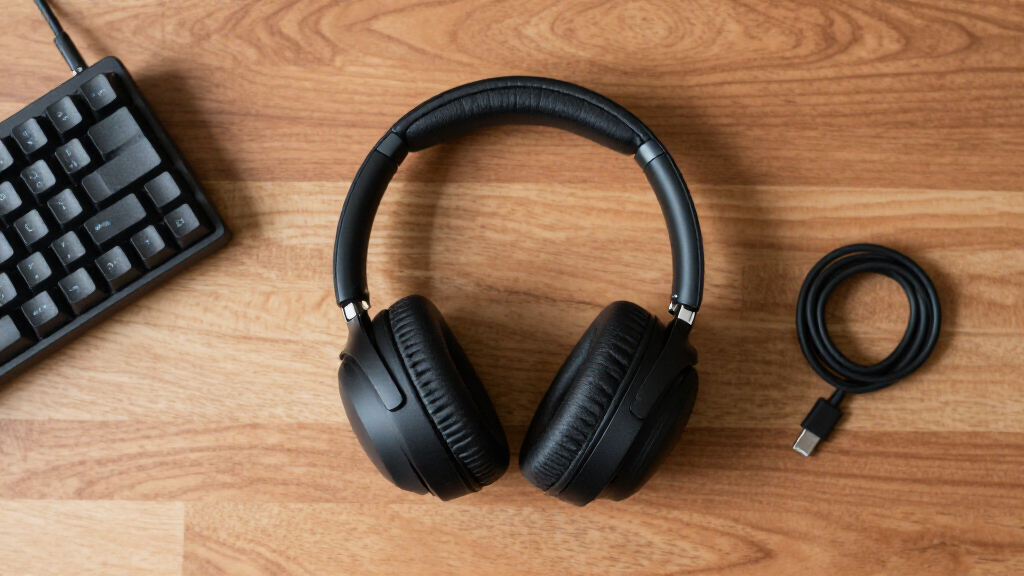

The best wireless headphones for programmers balance long-session comfort, useful noise control, and a dependable microphone for calls. I rank the Sony WH-CH720N as the best overall choice for its noise-canceling focus, while the Logitech Zone Vibe 100 stands out for work calls and the HyperX Cloud III S Wireless for people who also game. The main tradeoffs are immersion versus awareness, music-focused sound versus call-ready controls, and lightweight comfort versus a more substantial fit. No single pair suits every desk, commute, or meeting setup. Read on for the full comparison, practical buying advice, and picks matched to different work habits.

Get business pricing on monitors, keyboards and dev gear
- Business-only prices and quantity discounts
- Tax-exempt purchasing
- Multiple users, one account, clear invoices
Complete the kit


Key Takeaways
- Sony WH-CH720N is the overall pick because it prioritizes a quieter, more focused listening setup, while the Logitech Zone Vibe 100 puts more emphasis on work calls.
- Dedicated microphone controls separate the work headsets. The Angteela M112 and LEVN CT003 include mute-oriented features that can matter more during meetings than music extras.
- The HyperX Cloud III S Wireless is the clearest gaming crossover; programmers who only need calls and background audio may prefer a lighter, less gaming-focused option.
- There are two Soundcore Q20i entries with different colors. Their shared model identity means color should not be mistaken for a meaningful performance distinction.
- The lineup spans very different wearing styles. Open-ear ZORIOXI G3 and on-ear Sony WH-CH520 suit buyers who want less enclosing designs, while over-ear models favor a more immersive desk setup.
| JBL Tune 730BT Wireless Over-Ear Headphones |  | Best for Long Coding Sessions | Type: Wireless over-ear headphones | Bluetooth: 6.0 | Driver size: 40 mm | VIEW LATEST PRICE | See Our Full Breakdown |
| Sony WH-CH720N Wireless Noise-Canceling Over-Ear Headphones, Black |  | Best for Focus in Shared Spaces | Type: Wireless over-ear headphones | Weight: 192 g | Battery life: Up to 35 hours | VIEW LATEST PRICE | See Our Full Breakdown |
| ZORIOXI G3 Open-Ear Bluetooth Headphones with Microphone |  | Best for Staying Aware at Work | Design: Open-ear, air conduction | Weight: 29 g | Bluetooth: 5.4 | VIEW LATEST PRICE | See Our Full Breakdown |
| Beats Studio Pro Wireless Over-Ear Headphones, Black | 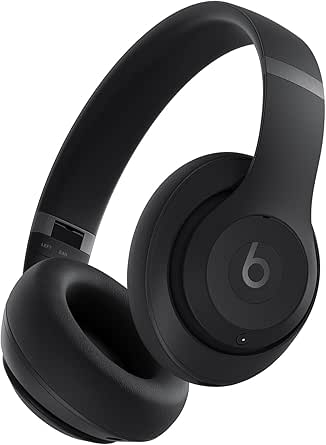 | Best Premium Noise-Canceling Pick | Type: Wireless over-ear headphones | Battery life: Up to 40 hours | Fast charge: 10 minutes for up to 4 hours of playback | VIEW LATEST PRICE | See Our Full Breakdown |
| Beats Solo 4 Wireless On-Ear Bluetooth Headphones, Matte Black |  | Best Compact Wired-and-Wireless Option | Type: Wireless on-ear headphones | Weight: 7.6 oz (0.22 kg) | Battery life: Up to 50 hours | VIEW LATEST PRICE | See Our Full Breakdown |
| Sennheiser ACCENTUM Wireless Over-Ear Headphones, Black |  | Best for Long Coding Sessions | Fit: Over-ear | Battery life: Up to 50 hours | Battery charge time: 3 hours | VIEW LATEST PRICE | See Our Full Breakdown |
| Logitech Zone Vibe 100 Lightweight Wireless Over-Ear Headphones with Microphone, Graphite |  | Best for Work Calls | Fit: Over-ear | Weight: 0.19 kg | Speaker size: 40 mm | VIEW LATEST PRICE | See Our Full Breakdown |
| bmani H2 Hybrid Active Noise-Cancelling Over-Ear Headphones |  | Best for Wired Backup and Claimed Battery Endurance | Fit: Over-ear | Playback time: Up to 120 hours, manufacturer claim | Quick charge: 10 minutes for about 3 hours of playback | VIEW LATEST PRICE | See Our Full Breakdown |
| HyperX Cloud III S Wireless Gaming Headset – Black | 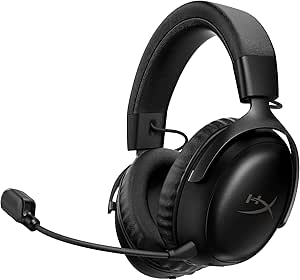 | Best for Coding and Gaming on PC | Connectivity: 2.4GHz wireless, Bluetooth, and Instant Pair with select OMEN laptops | Battery life: Up to 120 hours on 2.4GHz; up to 200 hours on Bluetooth | Drivers: 53 mm angled | VIEW LATEST PRICE | See Our Full Breakdown |
| Soundcore by Anker Q20i Hybrid Active Noise Cancelling Headphones, White |  | Best for App-Based Listening Control | Type: Over-ear wireless headphones | Battery life: Up to 40 hours with ANC on | Noise control: Hybrid ANC and transparency mode | VIEW LATEST PRICE | See Our Full Breakdown |
| Angteela M112 Wireless Noise-Cancelling Headset with Flip-to-Mute Microphone |  | Best for Frequent Calls | Fit: Over-ear | Bluetooth: Version 5.4 | Noise control: Hybrid ANC and microphone ENC | VIEW LATEST PRICE | See Our Full Breakdown |
| LEVN Wireless Bluetooth Headset with Microphone and Noise Cancellation |  | Best for Long Battery Life | Model: LE-HS013 | Fit: On-ear | Bluetooth: Version 5.2 | VIEW LATEST PRICE | See Our Full Breakdown |
| LEVN CT003 Bluetooth Headset with Microphone, Noise-Canceling Mic, Bluetooth 5.3, Dual Connection, 60-Hour Battery, and Mute Button |  | Best for Switching Between Work and Phone | Model: CT003 Black | Fit: On-ear | Bluetooth: Version 5.3 | VIEW LATEST PRICE | See Our Full Breakdown |
| Sony WH-CH520 Wireless On-Ear Bluetooth Headphones with Microphone, Black |  | Best for Everyday Listening and Coding | Fit: On-ear | Connectivity: Bluetooth | Battery life: Up to 50 hours | VIEW LATEST PRICE | See Our Full Breakdown |
| Soundcore by Anker Q20i Hybrid Active Noise Cancelling Headphones, Taupe |  | Best for Blocking Out Distractions | Fit: Over-ear | Driver size: 40 mm | Connectivity: Bluetooth 5.0 | VIEW LATEST PRICE | See Our Full Breakdown |
| wireless headphones for programmer | Battery life | Connectivity | Fit |
|---|---|---|---|
| JBL Tune 730BT Wireless Over-E | Up to 76 hours | — | — |
| Sony WH-CH720N Wireless Noise- | Up to 35 hours | Multipoint connection for two devices | — |
| ZORIOXI G3 Open-Ear Bluetooth | Up to 10 hours of talk time and playback | — | — |
| Beats Studio Pro Wireless Over | Up to 40 hours | Bluetooth Class 1, USB-C, 3.5 mm audio | — |
| Beats Solo 4 Wireless On-Ear B | Up to 50 hours | — | — |
| Sennheiser ACCENTUM Wireless O | Up to 50 hours | Bluetooth with multipoint | Over-ear |
| Logitech Zone Vibe 100 Lightwe | — | Bluetooth with multipoint | Over-ear |
| bmani H2 Hybrid Active Noise-C | — | Wireless Bluetooth and wired 3.5 mm | Over-ear |
| HyperX Cloud III S Wireless Ga | Up to 120 hours on 2.4GHz; up to 200 hours on Bluetooth | 2.4GHz wireless, Bluetooth, and Instant Pair with select OMEN laptops | — |
| Soundcore by Anker Q20i Hybrid | Up to 40 hours with ANC on | — | — |
| Angteela M112 Wireless Noise-C | — | — | Over-ear |
| LEVN Wireless Bluetooth Headse | Up to 65 hours | — | On-ear |
| LEVN CT003 Bluetooth Headset w | — | — | On-ear |
| Sony WH-CH520 Wireless On-Ear | Up to 50 hours | Bluetooth | On-ear |
| Soundcore by Anker Q20i Hybrid | — | Bluetooth 5.0 | Over-ear |
More Details on Our Top Picks
JBL Tune 730BT Wireless Over-Ear Headphones
For programmers who want to keep a playlist running through long workdays without frequent charging, the JBL Tune 730BT has the strongest battery claim in this group: up to 76 hours. That makes it a better fit for extended listening between charges than the Sony WH-CH720N, though Sony adds active noise cancellation for concentration in busier spaces. JBL’s multipoint Bluetooth connection can keep a laptop and phone paired, while two beamforming microphones support calls. The app’s EQ presets give listeners a way to adjust the bass-forward sound to suit music, podcasts, or spoken tutorials. The tradeoff is that the listed features do not include active noise cancellation, and the USB-C charging cable is not included. Choose it for stamina and flexibility, not for blocking office noise.
Pros:- Up to 76 hours of battery life reduces charging interruptions during long work stretches.
- Multipoint Bluetooth supports connections to two devices.
- JBL Headphones app offers EQ presets for adjusting the sound.
- Lightweight, foldable design and two beamforming microphones suit desk use and calls.
Cons:- Active noise cancellation is not listed, making it less suited to loud offices than the Sony WH-CH720N.
- USB-C charging cable is not included.
- The advertised Pure Bass sound may not suit listeners who prefer a less bass-forward profile.
Best for: Programmers who listen for many hours, switch between a laptop and phone, and can work without active noise cancellation.
Not ideal for: People coding in noisy shared spaces who need active noise cancellation, or buyers who expect a charging cable in the box.
- Type:Wireless over-ear headphones
- Bluetooth:6.0
- Driver size:40 mm
- Battery life:Up to 76 hours
- Microphones:2 beamforming microphones
- Device connectivity:Multipoint; Google Fast Pair; Microsoft Swift Pair
- Quick charge:5 minutes for up to 5 hours of playback
- Design:Lightweight and foldable
Our verdict“Choose the JBL Tune 730BT if long battery life and two-device connectivity matter more than active noise cancellation.”
Sony WH-CH720N Wireless Noise-Canceling Over-Ear Headphones, Black
The Sony WH-CH720N is the clearest pick here for programmers who need to reduce everyday office noise: its Dual Noise Sensor technology and adjustable ambient sound give it a focus advantage over the JBL Tune 730BT, which lists no active noise cancellation. At 192 g, it is also a relatively light over-ear option for wearing through long stretches at a desk. Multipoint keeps two devices connected, and quick charging can restore an hour of playback from a short charge—handy when a meeting interrupts a low battery. The tradeoff is endurance: its up-to-35-hour battery life falls well short of JBL’s 76 hours. A carrying case is not listed among the included items, so it is less convenient to pack than the Beats Studio Pro, which includes one.
Pros:- Noise cancellation helps reduce surrounding sound during focused work.
- Adjustable ambient sound gives users more control over how much they hear around them.
- Light 192 g design is suited to extended desk sessions.
- Multipoint connection and quick charging support busy laptop-and-phone routines.
Cons:- Up to 35 hours of battery life is shorter than the JBL Tune 730BT and Beats Solo 4.
- A carrying case is not listed among the included accessories.
- Noise cancellation may be unnecessary overhead for programmers who work in quiet rooms.
Best for: Developers working in shared offices or at home with distracting background noise who want over-ear comfort and adjustable awareness.
Not ideal for: People who prioritize the longest time between charges or need a listed carrying case for regular commuting.
- Type:Wireless over-ear headphones
- Weight:192 g
- Battery life:Up to 35 hours
- Noise cancellation:Dual Noise Sensor technology
- Processor:Integrated Processor V1
- Connectivity:Multipoint connection for two devices
- Quick charge:3 minutes for up to 1 hour of playback
- Included cable:USB Type-C cable
Our verdict“Pick the Sony WH-CH720N if blocking office distractions matters more than maximum battery life.”
ZORIOXI G3 Open-Ear Bluetooth Headphones with Microphone
The ZORIOXI G3 takes a different approach to coding audio: its open-ear air-conduction design leaves the ears uncovered, making it easier to hear a colleague, doorbell, or other nearby sound while listening. That makes it more suitable for a home office where awareness matters than the noise-blocking Sony WH-CH720N. At just 29 g, it is also the lightest-feeling style in this group by listed weight, and its one-touch microphone mute is useful when calls overlap with desk work. The compromise is substantial for deep-focus sessions: open ears provide less noise isolation, so nearby conversations can compete with audio. Its up-to-10-hour battery life is also far shorter than the JBL Tune 730BT’s. Choose this model for awareness and a lightweight fit, not all-day battery endurance or quiet-room isolation.
Pros:- Open-ear design lets nearby sounds remain audible.
- Listed weight is only 29 g, supporting a lightweight fit.
- Simultaneous connection to two devices suits laptop-and-phone use.
- One-touch microphone mute is convenient during calls.
Cons:- Open-ear construction provides less noise isolation than the Sony WH-CH720N.
- Up to 10 hours of battery life is limited beside the JBL Tune 730BT or Beats Solo 4.
- The open design may make audio harder to hear in busy environments.
Best for: Programmers in home offices who need to hear household sounds or speak with people nearby while keeping audio available.
Not ideal for: Developers in noisy offices or anyone needing strong isolation, extended battery life, or over-ear coverage.
- Design:Open-ear, air conduction
- Weight:29 g
- Bluetooth:5.4
- Driver size:16 mm
- Battery life:Up to 10 hours of talk time and playback
- Device connections:Two devices simultaneously
- Wireless range:Up to 49 ft
- Controls:Push-button control with one-touch microphone mute
Our verdict“Choose the ZORIOXI G3 if staying aware of your surroundings matters more than isolating yourself for focused coding.”
Beats Studio Pro Wireless Over-Ear Headphones, Black
For programmers who want a more feature-rich listening setup for both work and personal audio, the Beats Studio Pro combines active noise cancellation with Transparency mode, so the same headphones can support focused sessions and quick conversations. Its up-to-40-hour battery life is longer than the Sony WH-CH720N’s 35 hours, although it does not match the JBL Tune 730BT’s 76-hour claim. A practical distinction is wired flexibility: USB-C lossless audio and a 3.5 mm connection offer alternatives to Bluetooth, while the included case and cables make it better equipped for travel than the Sony. Personalized spatial audio is an extra rather than a coding necessity. The tradeoff is that this model’s appeal depends on valuing its audio modes and wired options; those features may be more than a desk-only listener needs.
Pros:- Active noise cancellation and Transparency mode cover both focused listening and conversations.
- USB-C lossless audio and 3.5 mm input provide wired listening options.
- Up to 40 hours of battery life with a 10-minute fast charge for up to 4 hours of playback.
- Includes a woven carrying case, 3.5 mm audio cable, and USB-C charging cable.
Cons:- Its up-to-40-hour battery life is shorter than the JBL Tune 730BT’s listed 76 hours.
- Spatial audio and multiple connection options may add little value to a programmer who only needs basic desk listening.
- The listed description does not specify a microphone setup for calls.
Best for: Programmers who want active noise cancellation, a transparency option, and both wireless and wired listening for work and travel.
Not ideal for: Buyers seeking a lightweight, minimal setup or who would rather prioritize the JBL Tune 730BT’s longer listed battery life.
- Type:Wireless over-ear headphones
- Battery life:Up to 40 hours
- Fast charge:10 minutes for up to 4 hours of playback
- Audio features:Active noise cancelling, Transparency mode, personalized spatial audio
- Connectivity:Bluetooth Class 1, USB-C, 3.5 mm audio
- USB-C audio:Lossless audio
- Weight:9.2 oz (0.26 kg)
- Included accessories:Woven carrying case, 3.5 mm audio cable, USB-C charging cable
Our verdict“Choose the Beats Studio Pro if you want noise control plus flexible wired listening, rather than the longest possible battery life.”
Beats Solo 4 Wireless On-Ear Bluetooth Headphones, Matte Black
The Beats Solo 4 suits programmers who want a lighter, on-ear alternative to the larger over-ear Beats Studio Pro. At 7.6 oz, it is listed as lighter than the Studio Pro, and its up-to-50-hour battery life also exceeds that model’s 40 hours. The inclusion of USB-C and 3.5 mm audio playback offers a useful fallback when Bluetooth is not the right choice, while compatibility with Apple and Android keeps it adaptable across devices. Its main compromise is fit: on-ear headphones rest on the ears rather than enclosing them, which may be uncomfortable during long coding blocks for some users and offers less separation from office noise than the Sony WH-CH720N’s noise-canceling over-ear design. This is a portability-oriented pick, not the strongest choice for isolation or all-day comfort certainty.
Pros:- Up to 50 hours of battery life exceeds the Beats Studio Pro’s listed 40 hours.
- At 7.6 oz, it is lighter than the Beats Studio Pro by listed weight.
- USB-C and 3.5 mm audio playback provide wired alternatives to Bluetooth.
- Works with Apple and Android devices and supports fast charging.
Cons:- On-ear fit may cause discomfort during extended coding sessions.
- No active noise cancellation is listed, unlike the Sony WH-CH720N and Beats Studio Pro.
- Listed charging time is 2.15 hours.
Best for: Developers who prefer a lighter on-ear design, want long battery life, and value wired playback across Apple and Android devices.
Not ideal for: Programmers who need active noise cancellation or know that on-ear pressure becomes uncomfortable during long work sessions.
- Type:Wireless on-ear headphones
- Weight:7.6 oz (0.22 kg)
- Battery life:Up to 50 hours
- Fast charge:10 minutes for up to 5 hours of playback
- Audio inputs:USB-C and 3.5 mm
- Compatibility:Apple and Android
- Microphone:Built-in
- Color:Matte Black
Our verdict“Choose the Beats Solo 4 if you value a lighter on-ear fit and long battery life more than noise cancellation or over-ear isolation.”
Sennheiser ACCENTUM Wireless Over-Ear Headphones, Black
For programmers who want over-ear comfort and fewer interruptions from charging, the Sennheiser ACCENTUM is my strongest all-day listening pick in this group. Its up to 50 hours of battery life gives it more headroom than the Soundcore Q20i’s 40 hours with ANC on, while adaptive ANC can help soften office chatter and transparency mode makes quick conversations easier without removing the headphones. I also value the 5-band EQ: it lets listeners tune speech, music, or low-distraction background audio rather than accepting one fixed sound profile. Multipoint is useful for switching between a work computer and phone, and beamforming microphones support calls. The tradeoff is a listed three-hour charge time, and it lacks the dedicated detachable boom mic offered by the HyperX Cloud III S.
Pros:- Up to 50 hours of battery life supports extended stretches between charges.
- Adaptive ANC and transparency mode suit both focused work and quick office conversations.
- Five-band EQ and customizable sound modes allow listening preferences to be adjusted.
- Multipoint connectivity and beamforming microphones support computer-and-phone workflows.
Cons:- The listed battery charge time is three hours.
- Its built-in call microphones do not provide the detachable boom-mic setup of the HyperX Cloud III S.
Best for: Developers who wear headphones through long workdays, switch between a computer and phone, and want adjustable sound with adaptive noise control.
Not ideal for: Programmers who need a detachable boom microphone for frequent calls or prioritize a shorter listed charging time.
- Fit:Over-ear
- Battery life:Up to 50 hours
- Battery charge time:3 hours
- Noise control:Adaptive ANC and transparency mode
- Sound customization:5-band EQ and customizable sound modes
- Connectivity:Bluetooth with multipoint
- Call technology:Dual-microphone beamforming
- Warranty:1 year
Our verdict“Choose the ACCENTUM for long coding days that call for adjustable ANC, multipoint pairing, and substantial battery life.”
Logitech Zone Vibe 100 Lightweight Wireless Over-Ear Headphones with Microphone, Graphite
The Logitech Zone Vibe 100 is the work-call specialist here: its flip-to-mute beamforming microphone makes muting easy to do without hunting through meeting software, and it is compatible with Microsoft Teams, Google Meet, Zoom, PC, and Mac. That direct focus makes it a better fit for a meeting-heavy schedule than the Sennheiser ACCENTUM, whose appeal leans more toward adaptive listening and longer battery life. At 0.19 kg, with memory foam earpads and multipoint Bluetooth, it is designed for comfortable desk use while staying connected to two devices. The compromise is endurance: up to 20 hours of listening and 18 hours of talk time fall well short of the ACCENTUM. Its listed features also do not include ANC, so it is less suited to noisy rooms.
Pros:- Flip-to-mute beamforming microphone offers a quick physical mute control for calls.
- Lightweight 0.19 kg design and memory foam earpads suit extended desk sessions.
- Multipoint Bluetooth supports connection to two devices.
- Compatibility includes Teams, Google Meet, Zoom, PC, and Mac.
Cons:- Up to 20 hours of listening time is less than the Sennheiser ACCENTUM’s stated 50 hours.
- ANC is not listed, limiting its ability to reduce surrounding noise.
- Talk time is listed at up to 18 hours, below its listening-time figure.
Best for: Remote developers who spend much of the day in video meetings and want a lightweight headset with an easy-to-reach mute function.
Not ideal for: Programmers who need active noise cancellation, especially in a busy shared workspace, or want multi-day battery life between charges.
- Fit:Over-ear
- Weight:0.19 kg
- Speaker size:40 mm
- Listening time:Up to 20 hours
- Talk time:Up to 18 hours
- Wireless range:Up to 30 meters
- Microphone:Beamforming noise-canceling, flip-to-mute
- Connectivity:Bluetooth with multipoint
- Compatibility:Microsoft Teams, Google Meet, Zoom, PC, and Mac
Our verdict“Pick the Zone Vibe 100 if clear, easily muted work calls matter more to you than ANC or extended battery life.”
bmani H2 Hybrid Active Noise-Cancelling Over-Ear Headphones
The bmani H2 has an unusual advantage for a programmer’s desk: it can work wirelessly or connect through a 3.5 mm audio cable, so there is a wired fallback when Bluetooth is inconvenient. Its advertised playback reaches up to 120 hours, far beyond the Soundcore Q20i’s stated 40 hours with ANC on, but I would treat that as a manufacturer claim that may vary with use rather than a guaranteed work schedule. Hybrid ANC and transparency mode cover the same basic quiet-versus-awareness choice, while six ENC microphones are aimed at calls. The 270 g weight and foldable design make it reasonably practical to move between desk and bag. Compared with the Sennheiser ACCENTUM, though, its supplied data gives less detail on sound tuning and call-mic performance, and no water-resistance rating is listed.
Pros:- Supports wireless Bluetooth and wired 3.5 mm listening.
- Advertises up to 120 hours of playback and a quick-charge claim of about three hours from 10 minutes.
- Hybrid ANC and transparency mode offer options for concentration and conversation.
- Foldable design, 270 g weight, and memory foam ear cushions suit portable use.
Cons:- The up-to-120-hour playback figure is a manufacturer claim and can vary with use.
- No water-resistance rating is listed.
- The provided specifications do not detail a customizable EQ like the Sennheiser ACCENTUM’s 5-band EQ.
Best for: Programmers who want both Bluetooth and wired listening, plus a long advertised playback figure for use away from a charger.
Not ideal for: Buyers who need a documented water-resistance rating or prefer battery claims and sound customization details that are more clearly specified.
- Fit:Over-ear
- Playback time:Up to 120 hours, manufacturer claim
- Quick charge:10 minutes for about 3 hours of playback
- Bluetooth:Version 6.0
- Connectivity:Wireless Bluetooth and wired 3.5 mm
- Noise cancellation:Hybrid ANC with claimed reduction up to 45 dB
- Microphones:6 ENC microphones
- Weight:270 g
- Warranty:5 years
Our verdict“Choose the H2 if wired backup and a very long advertised playback time matter more than clearly documented tuning and durability details.”
HyperX Cloud III S Wireless Gaming Headset – Black
The HyperX Cloud III S is the clearest choice for programmers who also game and want a headset built around a dedicated boom mic. Its 2.4GHz wireless connection complements Bluetooth, and the detachable microphone can be removed when the headset is used for music or focused work. The 53 mm angled drivers, memory foam cushions, and aluminum frame give it a more gaming-oriented build than the Logitech Zone Vibe 100, which is lighter and more explicitly suited to video calls. Battery life is a major strength—up to 120 hours on 2.4GHz or 200 hours on Bluetooth—but the headset weighs 356 g, so it is heavier than the Logitech. It also lacks stated ANC and is not compatible with Xbox, making it less flexible for some shared-work and gaming setups.
Pros:- Offers 2.4GHz wireless and Bluetooth connectivity.
- Detachable 10 mm boom microphone has an LED mute indicator and built-in mesh filter.
- Advertises up to 120 hours on 2.4GHz or up to 200 hours over Bluetooth.
- Memory foam cushions and an aluminum frame support a gaming-focused design.
Cons:- At 356 g, it is heavier than the Logitech Zone Vibe 100.
- It is not compatible with Xbox.
- ANC is not listed, so it may be less suited to noisy workspaces than the Sennheiser ACCENTUM or Soundcore Q20i.
Best for: PC programmers who also play games, want a detachable boom mic, and value both 2.4GHz wireless and Bluetooth connections.
Not ideal for: Xbox owners, frequent travelers seeking ANC, or desk users who prioritize a lighter headset for all-day wear.
- Connectivity:2.4GHz wireless, Bluetooth, and Instant Pair with select OMEN laptops
- Battery life:Up to 120 hours on 2.4GHz; up to 200 hours on Bluetooth
- Drivers:53 mm angled
- Microphone:Detachable 10 mm boom mic with LED mute indicator and built-in mesh filter
- Weight:356 g
- Spatial audio:DTS Headphone:X lifetime activation for PC
- Compatibility:PC, PS5, PS4, Nintendo Switch, Mac, and mobile; not Xbox
- Frame:Aluminum
- Warranty:2 years
Our verdict“Choose the Cloud III S if PC gaming and a detachable boom mic matter more than low weight, ANC, or Xbox support.”
Soundcore by Anker Q20i Hybrid Active Noise Cancelling Headphones, White
The Soundcore Q20i suits programmers who want ANC and hands-on control over their listening without stepping up to the Sennheiser ACCENTUM. Its app provides EQ, ANC settings, transparency mode, and white noise, so it can be tailored for coding music, background masking, or awareness of nearby colleagues. Multipoint pairing is practical when work calls arrive on a phone while a computer is playing audio, and the stated 40 hours with ANC on gives it useful endurance—though the ACCENTUM lasts longer on its listed battery figure. The Q20i also includes a 3.5 mm jack, but ANC is unavailable in AUX mode, and Hi-Res audio is specified for wired listening. That makes it a flexible desk companion, not the best match for someone who expects every feature to work over cable.
Pros:- App includes EQ, ANC settings, transparency mode, and white noise.
- Hybrid ANC and transparency mode support both focused listening and nearby conversation.
- Multipoint Bluetooth connects to two devices.
- Up to 40 hours of playback is listed with ANC on, and a 3.5 mm jack is included.
Cons:- ANC is unavailable in AUX-in mode.
- Hi-Res audio is available through the AUX cable rather than Bluetooth.
- Its stated 40-hour ANC playback is shorter than the Sennheiser ACCENTUM’s up-to-50-hour figure.
Best for: Developers who want app-adjustable EQ and noise settings, ANC for focused work, and multipoint pairing across a computer and phone.
Not ideal for: Listeners who need ANC while using a wired connection or want the longest stated battery life in this group.
- Type:Over-ear wireless headphones
- Battery life:Up to 40 hours with ANC on
- Noise control:Hybrid ANC and transparency mode
- Microphones:4 built-in microphones
- Bluetooth:Version 5
- Multipoint:Connects to two devices
- Wired connection:3.5 mm headphone jack
- App features:EQ, ANC settings, transparency mode, and white noise
- Battery charge time:2 hours
Our verdict“Pick the Q20i if app-based sound and ANC controls are your priority, but choose the ACCENTUM for longer listed battery life.”
Angteela M112 Wireless Noise-Cancelling Headset with Flip-to-Mute Microphone
For programmers whose workday includes stand-ups, pair sessions, and calls from a noisy room, the Angteela M112 puts call handling ahead of music extras. Its 270° boom mic with flip-to-mute makes muting a physical, quick action, while microphone ENC is intended to reduce surrounding noise for people on the other end. Hybrid ANC can also help limit distractions while coding. Unlike the LEVN CT003, which connects to two devices simultaneously, the M112 pairs Bluetooth with a USB-A plug-and-play dongle and supports dual-device connection, giving laptop users a direct computer option. The stated 35 hours of talk time is useful for call-heavy days, with up to 50 hours of music playback. The tradeoffs are its USB-A-only dongle and lack of compatibility with landlines, desk phones, or VoIP phones.
Pros:- Flip-to-mute boom microphone makes it easy to mute without hunting for a software control.
- Hybrid ANC and microphone ENC address both listening distractions and call clarity.
- USB-A dongle provides a plug-and-play computer connection alongside Bluetooth.
- Up to 35 hours of talk time and dual-device connectivity suit long workweeks.
Cons:- The included dongle uses USB-A, which may require an adapter with newer laptops.
- Not compatible with landlines, desk phones, or VoIP phones.
- A dedicated boom-mic headset is less appealing for buyers who prioritize a discreet everyday design.
Best for: Remote programmers who take frequent computer-based calls and want a boom mic with fast physical mute control.
Not ideal for: Developers who need a USB-C dongle, landline or desk-phone support, or headphones mainly for music listening.
- Fit:Over-ear
- Bluetooth:Version 5.4
- Noise control:Hybrid ANC and microphone ENC
- Connections:Bluetooth and USB-A dongle; dual-device connection
- Microphone:270° rotatable boom with flip-to-mute
- Operating range:33 feet
- Talk time:Up to 35 hours
- Music playback:Up to 50 hours
- Charge time:2 hours
Our verdict“Choose the M112 if computer calls and quick boom-mic muting matter more than USB-C convenience or a music-first design.”
LEVN Wireless Bluetooth Headset with Microphone and Noise Cancellation
The LEVN LE-HS013 is the practical pick for programmers who want a work headset they can leave charged between long stretches of use. Its stated up to 65 hours of battery life exceeds the Sony WH-CH520’s 50 hours and reduces charging interruptions during a busy week. Bluetooth and a USB dongle give it a straightforward route to a laptop, while the rotatable mic and mute button cover basic meeting controls. The on-ear fit and protein-leather cushions keep the design compact compared with over-ear options such as the Soundcore Q20i, but on-ear pressure can become uncomfortable for some people during long coding sessions. It connects to only one device at a time, so switching between a work computer and phone is less convenient than using the multipoint Angteela M112. Its noise-cancellation and battery claims are manufacturer-provided.
Pros:- Up to 65 hours of stated battery life can reduce charging frequency.
- Bluetooth and USB dongle connectivity provide two ways to connect to a computer.
- Rotatable microphone and mute button offer accessible call controls.
- Protein-leather ear cushions are designed for extended wear.
Cons:- Supports only one connected device at a time.
- On-ear fit may create pressure during long programming sessions.
- Noise-cancellation and battery-life claims are manufacturer-provided.
Best for: Programmers who want a simple on-ear work headset with long stated battery life and a USB dongle for laptop use.
Not ideal for: People who switch between a computer and phone throughout the day, or who find on-ear headphones uncomfortable over long sessions.
- Model:LE-HS013
- Fit:On-ear
- Bluetooth:Version 5.2
- Connections:Bluetooth or USB dongle; one device at a time
- Battery life:Up to 65 hours
- Wireless range:Up to 49 feet
- Microphone:270° rotatable with mute button
- Ear cushions:Protein leather
Our verdict“Pick the LE-HS013 if long battery life matters more than multipoint switching or an over-ear fit.”
LEVN CT003 Bluetooth Headset with Microphone, Noise-Canceling Mic, Bluetooth 5.3, Dual Connection, 60-Hour Battery, and Mute Button
The LEVN CT003 suits programmers who keep a laptop and phone active and want one headset to handle calls from either. Its simultaneous two-device connection gives it a workflow advantage over the LEVN LE-HS013, which connects to just one device at a time. A dedicated mute button and rotatable AI noise-canceling microphone make meetings easier to manage, while the stated 60-hour working time supports extended use between charges. Compared with the Angteela M112, the CT003 offers multipoint pairing without a USB-A dongle, but its listed connections are Bluetooth rather than Bluetooth plus a plug-and-play computer adapter. The lightweight on-ear build and cushioned pads may feel less enclosing than over-ear models such as the Soundcore Q20i; the fit is also a personal tradeoff, and its full charge takes about two hours.
Pros:- Connects to two devices simultaneously for easier switching between computer and phone.
- Dedicated mute button and rotatable microphone support frequent calls.
- Up to 60 hours of stated working time limits charging interruptions.
- Adjustable headband and cushioned ear pads provide fit adjustments.
Cons:- On-ear design may not suit everyone for extended listening.
- A full charge takes about two hours.
- The listed connection options do not include a USB dongle.
Best for: Developers who regularly move between computer meetings and phone calls and want dedicated mute controls with multipoint Bluetooth.
Not ideal for: Programmers who prefer over-ear coverage, need a USB dongle for computer audio, or are especially sensitive to on-ear pressure.
- Model:CT003 Black
- Fit:On-ear
- Bluetooth:Version 5.3
- Device connections:Two simultaneously
- Working time:Up to 60 hours
- Full charge time:About 2 hours
- Microphone:AI noise cancellation; rotates 270°
- Controls:Push-button controls with dedicated mute button
- Warranty:18 months
Our verdict“Choose the CT003 if multipoint Bluetooth and call controls are your priorities, and an on-ear fit works for you.”
Sony WH-CH520 Wireless On-Ear Bluetooth Headphones with Microphone, Black
The Sony WH-CH520 is a sensible choice for programmers who want one lightweight pair for coding, music, and occasional calls rather than a dedicated boom-mic headset. Its built-in microphone and multipoint connection let it pair with two devices, while app-based sound customization gives listeners more control than the work-focused LEVN LE-HS013 offers. Battery life reaches up to 50 hours, and a three-minute charge is stated to provide up to 1.5 hours of playback—handy when a headset is low just before a work session. Compared with the over-ear Soundcore Q20i, the Sony is lighter in style and lacks listed ANC, so it offers less help when office noise is distracting. Its on-ear fit is also a meaningful compromise for anyone wearing headphones through a full coding day.
Pros:- Up to 50 hours of battery life, with a quick-charge option for short top-ups.
- Multipoint connection supports two paired devices.
- Built-in microphone handles occasional calls without a separate boom.
- Sound can be customized through the Sony Headphones Connect app.
Cons:- On-ear design may become uncomfortable during extended listening.
- No active noise cancellation is listed.
- Built-in microphone is less suited to frequent calls than the boom mics on the Angteela M112 or LEVN CT003.
Best for: Programmers who want lightweight Bluetooth headphones for music and focused work, with occasional calls and easy switching between two devices.
Not ideal for: People who need strong noise cancellation, a boom microphone for frequent meetings, or an over-ear fit for long sessions.
- Fit:On-ear
- Connectivity:Bluetooth
- Battery life:Up to 50 hours
- Quick charging:3 minutes provides up to 1.5 hours of playback
- Microphone:Built-in
- Multipoint:Connects to two devices
- Included accessory:USB-A to USB-C cable
- Warranty:1 year
Our verdict“Choose the WH-CH520 for a lightweight, music-friendly coding companion if you do not need ANC or a dedicated call headset.”
Soundcore by Anker Q20i Hybrid Active Noise Cancelling Headphones, Taupe
For programmers who need a quieter listening bubble more than a meeting-focused headset, the Soundcore Q20i brings the strongest stated noise-control emphasis in this group. Its hybrid ANC and Transparency mode let users choose between reducing outside sound and hearing more of their surroundings, while the over-ear fit offers a different kind of coverage from the on-ear Sony WH-CH520. The Q20i also supports two Bluetooth devices at once and lets listeners shape its sound through app EQ presets, so it can move between coding audio and calls without requiring a dedicated USB dongle. Battery life is stated at up to 40 hours with ANC on or 60 hours in Normal mode, and a five-minute charge provides up to four hours of playback. The tradeoff is that its built-in microphone is not a boom mic, and ANC may not remove every noise.
Pros:- Hybrid ANC and Transparency mode let users adjust how much outside sound they hear.
- Up to 40 hours of battery life with ANC on, or up to 60 hours in Normal mode.
- Bluetooth multipoint and app-based EQ support a flexible work-and-listening setup.
- Five-minute fast charge provides up to four hours of playback.
Cons:- The built-in microphone lacks the positioning and physical mute control of the Angteela M112 or LEVN CT003 boom mics.
- ANC reduces rather than eliminates external noise.
- Hi-Res audio is available through the AUX cable, not Bluetooth.
Best for: Programmers in noisy shared spaces who want over-ear coverage, adjustable sound, ANC, and Bluetooth multipoint.
Not ideal for: People who need a boom microphone for frequent calls, prefer a USB computer dongle, or want Hi-Res audio over a wireless connection.
- Fit:Over-ear
- Driver size:40 mm
- Connectivity:Bluetooth 5.0
- Battery with ANC:Up to 40 hours
- Battery in Normal mode:Up to 60 hours
- Noise control:Hybrid ANC and Transparency mode
- Multipoint:Connects to two Bluetooth devices
- Fast charging:5 minutes provides up to 4 hours of playback
- Audio customization:App EQ with 22 presets
Our verdict“Pick the Q20i if reducing workspace distractions and tuning music matter more than having a dedicated boom mic.”

How We Picked
I judged each pair by how well it fits a programmer’s working day: comfort over long sessions, usefulness of noise control, microphone and mute practicality, wireless flexibility, battery claims where supplied, and how readily it can serve for calls, music, or gaming. I also treated form factor as a real work factor: an open-ear or on-ear design can feel less enclosing, while over-ear headphones may better suit listeners seeking immersion. Product names and listed features guided these comparisons; I do not imply hands-on testing or claim performance beyond the supplied product information.
The ranking favors balanced desk use rather than the largest feature list. The Sony WH-CH720N leads for its noise-canceling orientation; the Logitech Zone Vibe 100 ranks highly when calls are central; and the HyperX Cloud III S Wireless earns a distinct place for gaming crossover. Headsets with work-focused mic controls rank well for meeting-heavy users, while simpler music-oriented models remain useful value or beginner choices. The two Q20i color variants are treated as one model family, not as separate technical winners.
Factors to Consider When Choosing Wireless Headphones For Programmers
Before choosing a pair, I would match the headphones to the conditions around your desk and the way you communicate. A long coding block, a shared office, and a day of video meetings place different demands on a headset. These factors help avoid paying for features you will not use or choosing a design that becomes distracting after a few hours.
Choose Noise Control for Your Actual Workspace
Active noise cancellation can help reduce steady background sounds, but it is not a substitute for a quiet room or a good microphone. Think about what interrupts your focus: HVAC hum and travel noise differ from nearby conversations, which can remain audible through many headphones. If you need to hear coworkers, a fully isolating fit may be inconvenient even when it improves concentration. Open-ear designs preserve awareness but give up much of the enclosed listening experience. A common mistake is buying the strongest-sounding noise-control claim without checking whether you need silence, awareness, or simply lower-volume background audio. Pick the level of isolation that fits your work setting, not an imagined ideal desk.
Separate Listening Quality From Call Quality
Headphones that sound satisfying for music do not automatically provide the clearest voice pickup in meetings. If you speak often, prioritize microphone positioning, mute access, and whether the controls are easy to find without interrupting your work. A boom or flip-to-mute design can be more useful than extra sound modes during a day of stand-ups and pairing sessions. If calls are occasional, a built-in microphone may be sufficient, leaving more room to prioritize comfort and listening preferences. Check how your conferencing software handles headset controls, since mute buttons may not behave identically across devices and apps. Avoid choosing by the word “noise-canceling” alone: microphone noise reduction and headphone noise cancellation solve different problems.
Treat Comfort as a Workday Requirement
Fit affects how long you can focus before the headset itself becomes a distraction. Over-ear cups can feel more enclosing, while on-ear models rest against the ears and open-ear designs leave them unobstructed; comfort depends on your preferences, glasses, and sensitivity to pressure. If possible, check return terms and fit details before committing, because product names rarely tell you how a headband will feel after several hours. Weight is only one part of comfort: clamping force, earcup shape, heat, and adjustment range all matter. A common misstep is selecting a compact design for portability without accounting for the pressure it may place on the ears. Choose for the longest session you expect to wear them, not just a quick call.
Match Battery and Charging to Your Routine
Battery life matters most when you work away from a charger or move between workspaces. Compare the stated runtime with your actual schedule, and remember that noise cancellation, call use, and listening volume can affect how long a charge lasts. A long advertised figure is less valuable if the headset is uncomfortable or the microphone does not suit your meetings. For a fixed desk, easy charging access may matter more than maximum runtime; for travel or back-to-back meetings, reserve capacity can prevent interruptions. Check whether the product information describes battery life under specific conditions rather than assuming every use pattern will match it. Avoid treating a single runtime number as a complete measure of convenience.
Check Device Switching and Connection Needs
Many programmers switch between a computer and a phone for meetings, music, or notifications, so connection behavior can shape everyday usability. Confirm that the specific model supports the number of simultaneous connections you need; wireless connectivity does not automatically mean smooth multi-device switching. Consider whether you need a wired fallback, particularly if you work with devices that limit Bluetooth use or want to avoid battery dependence. Gaming and voice calls can also place different demands on connection stability and latency, so a general-purpose music headset may not suit every setup. Before buying, list your actual devices and decide which one should take priority when a call arrives. This simple check can prevent a feature-rich headset from becoming awkward at your desk.
Pay for Features That Match Your Work Pattern
Premium features make sense when they solve a recurring problem, such as noise in a shared office or frequent calls that benefit from accessible mute controls. If you mostly code alone with low-volume music, a simpler headset may cover the essentials without adding controls or modes you rarely touch. A gaming-oriented model can be a smart crossover when gaming is part of your routine, but its priorities may differ from those of a meeting-first headset. For a first wireless pair, comfort, straightforward pairing, and clear controls are often more useful than an extensive feature list. Think about the task you repeat every day and spend toward that need. The best value is the option that removes a real friction point, not the one with the most advertised functions.
Frequently Asked Questions
Should I choose a noise-canceling headset or one with a dedicated microphone for coding?
Choose based on the problem that disrupts your work most often. If steady environmental sound breaks your concentration, prioritize headphone noise cancellation; if meetings and voice clarity dominate your day, a work headset with accessible mic controls may be more useful. These features address different needs, so one does not replace the other. In a quiet room with frequent calls, a dedicated microphone and easy mute access may matter more than stronger isolation. In a shared space, noise control can help during focus blocks, but check that the microphone also suits your calls.
Are open-ear headphones a good choice for programming in a shared office?
They can suit people who need to hear nearby colleagues, announcements, or their surroundings while listening to audio. That awareness comes with less isolation, so they may not help much when nearby conversation is the main distraction. Consider whether you can keep the listening volume comfortable without disturbing others. For deep-focus work in a noisy environment, an over-ear noise-canceling design may fit better. If you regularly move between conversations and solo work, an open-ear pair can be a practical compromise rather than an all-purpose answer.
Do I need multipoint Bluetooth to use headphones with my laptop and phone?
Not every buyer needs it, but it can make a two-device work setup easier by reducing manual disconnection and reconnection. Check the exact model’s connection features rather than assuming all wireless headphones handle two active devices. If your laptop is used for calls and your phone is mostly for occasional listening, switching manually may be acceptable. If you expect phone calls to interrupt computer audio, verify how the headset handles that handoff. Also check your operating systems and conferencing apps, since device behavior can affect the experience.
Is a gaming headset a sensible choice for programming?
It can be, especially if you use the same headset for gaming and want a single device for work and leisure. The HyperX Cloud III S Wireless is the lineup’s gaming-focused crossover, while work-oriented picks put more emphasis on meeting controls and office communication. Decide whether gaming features solve a regular need or add bulk and controls you will rarely use. If calls are central to your job, compare microphone handling and mute convenience before choosing a gaming model. For coding, a comfortable fit and reliable everyday connection matter more than a gaming label by itself.
Why are two Soundcore Q20i options listed, and should I choose between them by color?
The roundup includes the Soundcore by Anker Q20i in both white and taupe, so the entries represent color variants of the same named model rather than two distinct product roles. Color can guide your preference, but it should not be treated as evidence of different sound, noise control, or work features. Check the exact listing for any configuration differences before ordering, since listings can vary. If the specifications match, make your decision based on appearance and availability rather than expecting a performance upgrade. For a different work need, compare the Q20i with a headset that has a dedicated call microphone or a different wearing style.
Conclusion
For most programmers, I would start with the Sony WH-CH720N as the best overall because this lineup’s strongest general-purpose case centers on noise-controlled focus. The Soundcore Q20i is my best value direction for buyers seeking a straightforward noise-canceling over-ear option, while the two listed colors do not create separate performance picks. For a best premium-style choice, the Beats Studio Pro is the higher-end music-focused option in this group, though meeting-first buyers should compare its work controls with the Logitech Zone Vibe 100. The Logitech Zone Vibe 100 is my best pick for beginners who want a headset shaped around everyday calls, and the HyperX Cloud III S Wireless is best for programmers who also game. Choose the Angteela M112 or LEVN CT003 when accessible mute controls and call handling matter more than a music-first design; pick the ZORIOXI G3 if keeping your ears open is the priority.