The right software testing resource for QA teams depends on where your team sits on the spectrum between manual testing, UI automation, and AI-assisted quality work. Software Testing: Effective Methods, Tools and Techniques earns the top spot for its breadth — it works as a shared reference for mixed-experience teams covering test design, tooling, and process in one place. Teams focused on modern web automation should look at Hands-On Automated Testing with Playwright, while managers planning long-term automation strategy get more from Guide to Test Automation Architecture. The main tradeoff in this category is depth versus practicality: framework-heavy guides age faster than principle-driven books, and tool-specific titles teach faster skills but demand more maintenance of your knowledge. Read on for the full breakdown of all twelve picks.
Open a free Amazon Business account
Business pricing, bulk buying and tax-exempt orders.
Create a free accountAs an affiliate, we earn on qualifying purchases.
Key Takeaways
- Breadth won over depth: the top-ranked pick covers test design, tools, and process together, making it the only title that works for an entire mixed-skill QA team without supplementation.
- Tool-specific books (Selenium WebDriver and Playwright) ranked highly for hands-on learners but carry the shortest shelf life — Playwright’s guide is the more future-proof of the two since the framework itself is newer.
- AI for Quality Assurance is the highest-variance pick in the lineup: transformative for teams already automating, premature for teams still building manual testing discipline.
- How Google Tests Software and Lessons Learned in Software Testing ranked lower for daily reference but are the only two picks that teach testing judgment rather than technique — valuable for senior testers and leads.
- Books promising ‘complete’ coverage of both manual and automated testing consistently underdelivered on one side; splitting purchases by need beat buying one jack-of-all-trades title.
| Software Testing with Fexingo: QA, Automation, and Reliable Software Engineering |  | Best for Bridging QA and Engineering Culture | Format: Book (digital/print) | Primary topics: QA processes, automation techniques, reliable engineering | Audience level: Intermediate | VIEW LATEST PRICE | See Our Full Breakdown |
| Software Testing: Effective Methods, Tools and Techniques |  | Best Classic Methods Reference | Format: Book (digital/print) | Primary topics: Testing methods, tools, techniques | Audience level: Beginner to advanced | VIEW LATEST PRICE | See Our Full Breakdown |
| Selenium WebDriver with Java: A Complete Guide to Automation Testing |  | Best for Java Automation Careers | Format: Book (digital/print) | Primary topics: Selenium WebDriver, Java, test automation | Framework: Selenium WebDriver | VIEW LATEST PRICE | See Our Full Breakdown |
| Software Testing Unlocked – A Beginner’s Guide to QA & Automation |  | Best for Landing Your First QA Job | Format: Book (digital/print) | Primary topics: QA fundamentals, automation basics, job prep | Structure: 20-step learning path | VIEW LATEST PRICE | See Our Full Breakdown |
| Hands-On Automated Testing with Playwright: Create Fast, Reliable, and Scalable Tests for Modern Web Apps with Microsoft’s Automation Framework |  | Best for Modern Web App Automation | Format: Book (digital/print) | Primary topics: Playwright, web test automation, scalability | Framework: Microsoft Playwright | VIEW LATEST PRICE | See Our Full Breakdown |
| Mastering Software Testing & QA: A Practical Guide to Manual Testing, Agile Quality, and Real-World Delivery | 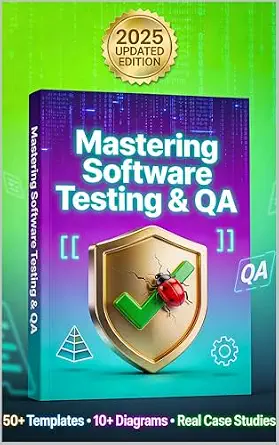 | Best for Career Changers | Format: Paperback / eBook | Focus Areas: Manual testing, agile QA, delivery strategy | Experience Level: Beginner to intermediate | VIEW LATEST PRICE | See Our Full Breakdown |
| Guide to Test Automation Architecture: A Roadmap for Building Sustainable Test Automation Frameworks for Modern Software |  | Best for Framework Architects | Format: Paperback / eBook | Focus Areas: Test automation architecture, sustainable frameworks | Experience Level: Intermediate to advanced | VIEW LATEST PRICE | See Our Full Breakdown |
| Agile Testing: A Practical Guide for Testers and Agile Teams |  | Best Agile Team Reference | Format: Paperback / eBook | Focus Areas: Agile testing methodology, team collaboration | Experience Level: All levels | VIEW LATEST PRICE | See Our Full Breakdown |
| AI for Quality Assurance and Software Testing: The Practitioner’s Complete Guide to AI-Powered Testing, Tools, and Transformation |  | Best for Staying Current | Format: Paperback / eBook | Focus Areas: AI-powered testing, QA transformation, tooling | Experience Level: Intermediate to advanced | VIEW LATEST PRICE | See Our Full Breakdown |
| How Google Tests Software |  | Best for Engineering Culture | Format: Paperback / eBook | Focus Areas: Large-scale testing organization, quality culture, engineering roles | Experience Level: Intermediate to leadership | VIEW LATEST PRICE | See Our Full Breakdown |
| Lessons Learned in Software Testing: A Context-Driven Approach |  | Best for Testing Philosophy and Judgment | Format: Print / eBook | Primary Focus: Testing philosophy and context-driven practice | Approach: Context-driven school of testing | VIEW LATEST PRICE | See Our Full Breakdown |
| Software Test Design: Write Comprehensive Test Plans to Uncover Critical Bugs in Web, Desktop, and Mobile Apps | 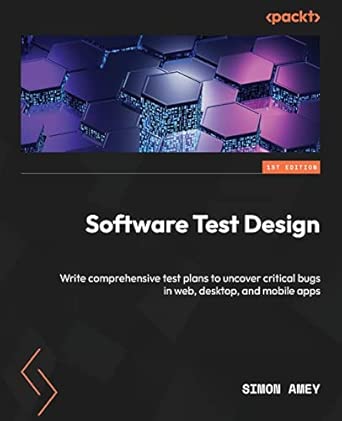 | Best for Test Planning Fundamentals | Format: Print / eBook | Primary Focus: Test plan design and documentation | Platforms Covered: Web, desktop, and mobile | VIEW LATEST PRICE | See Our Full Breakdown |
| software testing tools for QA team | Format | Audience level | Best use |
|---|---|---|---|
| Software Testing with Fexingo: | Book (digital/print) | Intermediate | Team-wide quality culture building |
| Software Testing: Effective Me | Book (digital/print) | Beginner to advanced | Ongoing reference for working testers |
| Selenium WebDriver with Java: | Book (digital/print) | Beginner to experienced | Enterprise web automation and job preparation |
| Software Testing Unlocked | Book (digital/print) | Beginner | Entry-level QA job preparation |
| Hands-On Automated Testing wit | Book (digital/print) | Intermediate | End-to-end web test automation |
| Mastering Software Testing & Q | Paperback / eBook | — | — |
| Guide to Test Automation Archi | Paperback / eBook | — | — |
| Agile Testing: A Practical Gui | Paperback / eBook | — | — |
| AI for Quality Assurance and S | Paperback / eBook | — | — |
| How Google Tests Software | Paperback / eBook | — | — |
| Lessons Learned in Software Te | Print / eBook | Beginner to experienced | Professional development and test strategy judgment |
| Software Test Design: Write Co | Print / eBook | Beginner to intermediate | Building structured test plans and prioritizing critical bugs |
More Details on Our Top Picks
Software Testing with Fexingo: QA, Automation, and Reliable Software Engineering
Most testing books stop at techniques; this one pushes into reliable software engineering practices, which makes it a rare fit for QA teams trying to raise quality standards across the whole development lifecycle rather than just inside the test suite. Compared with Software Testing: Effective Methods, Tools and Techniques, this pick leans less on testing method catalogs and more on how QA process discipline feeds better engineering outcomes. The practical angle means a team lead can lift concepts directly into sprint rituals. The tradeoff: because it aims broad, it sacrifices depth — readers wanting a dedicated automation framework playbook will get more from Hands-On Automated Testing with Playwright, and the lack of edition details makes it harder to gauge how current the tooling references are.
Pros:- Covers QA process, automation, and engineering practice in one place
- Practical insights that translate into team-level quality improvements
- Strong focus on reliability as an engineering outcome, not just a testing checkbox
Cons:- Spreads coverage thin across three large topics instead of mastering one
- No clear edition or publication details, so currency of content is uncertain
Best for: QA leads and engineers who want testing practices embedded into broader software engineering culture
Not ideal for: Testers who need a deep, single-framework automation manual — this spreads itself across QA, automation, and engineering practice
- Format:Book (digital/print)
- Primary topics:QA processes, automation techniques, reliable engineering
- Audience level:Intermediate
- Focus:Process and engineering practice
- Framework coverage:General automation concepts
- Best use:Team-wide quality culture building
Our verdict“A solid pick for QA teams that want testing woven into engineering culture, not an isolated step.”
Software Testing: Effective Methods, Tools and Techniques
Longevity is the signal here: a testing book that has stayed relevant for years usually means it teaches methods over tools, and that’s exactly the strength a QA team gets. Where Software Testing Unlocked walks beginners through a fixed learning path, this one works more like a reference shelf of testing techniques — boundary analysis, equivalence partitioning, tooling approaches — that experienced testers can dip into as needed. Compared with How Google Tests Software, it’s less narrative and more instructional, which suits teams that want applicable methods rather than stories. The drawbacks are real: the absence of detailed case studies weakens its value for readers who learn from worked examples, and denser passages assume a technical baseline that juniors may not have yet.
Pros:- Broad, durable coverage of testing methods and techniques
- Useful to both junior and senior testers as a reference
- Method-first approach that survives tool churn
Cons:- Lacks detailed case studies to ground the techniques
- Some sections assume more technical background than beginners have
Best for: Experienced testers and QA teams who want a durable methods reference rather than a beginner tutorial
Not ideal for: Career-switchers with no technical background — the prose can get technical fast without case studies to anchor it
- Format:Book (digital/print)
- Primary topics:Testing methods, tools, techniques
- Audience level:Beginner to advanced
- Style:Instructional reference
- Case studies:Limited
- Best use:Ongoing reference for working testers
Our verdict“The shelf reference a QA team keeps around long after tool-specific books have aged out.”
Selenium WebDriver with Java: A Complete Guide to Automation Testing
This is the most career-directed technical pick in the batch: Selenium WebDriver plus Java remains the single most requested automation stack in QA job postings, and a complete guide covering both fundamentals and best practices targets that reality directly. Compared with Hands-On Automated Testing with Playwright, this option trades Playwright’s modern ergonomics for massive enterprise ecosystem compatibility — grid setups, legacy Java stacks, and CI pipelines that already speak Selenium. The inclusion of generative AI applications in testing also gives it a forward-looking layer that older Selenium titles lack. The tradeoffs: Java’s verbosity makes the learning curve steeper than Python- or JavaScript-based alternatives, thin rating data makes it harder to gauge community reception, and total newcomers to programming may find the early chapters heavy going.
Pros:- Covers the most in-demand QA automation stack end to end
- Includes generative AI applications in testing, rare for Selenium titles
- Scales from beginner concepts to advanced best practices
Cons:- Java adds boilerplate and a steeper ramp than lighter languages
- Little rating or community feedback available to validate quality
Best for: Aspiring automation engineers targeting Java-based QA roles in enterprise environments
Not ideal for: Teams testing modern JavaScript web apps — Playwright coverage elsewhere in this roundup fits that stack better
- Format:Book (digital/print)
- Primary topics:Selenium WebDriver, Java, test automation
- Framework:Selenium WebDriver
- Language:Java
- Special coverage:Generative AI in testing
- Audience level:Beginner to experienced
- Best use:Enterprise web automation and job preparation
Our verdict“The pragmatic choice if your QA career path runs through Java enterprise automation.”
Software Testing Unlocked – A Beginner’s Guide to QA & Automation
What separates this from general intro books is the structured 20-step learning path — it behaves like a curriculum rather than a textbook, which matters for self-taught career changers who struggle to sequence their own learning. Compared with Software Testing: Effective Methods, Tools and Techniques, this option sacrifices breadth and depth for clarity and momentum, explicitly framing itself around landing a first QA role instead of mastering the field. It also introduces automation early, unlike many beginner guides that defer it, giving readers a head start toward Selenium WebDriver with Java or Hands-On Automated Testing with Playwright as follow-ups. The flip side: anyone already working in QA will find the content too elementary, and the focus on fundamentals leaves little room for advanced technique or tooling depth.
Pros:- Structured 20-step path removes guesswork from self-study
- Covers both manual QA fundamentals and an introduction to automation
- Explicitly oriented toward first-job readiness
Cons:- Content stays basic, with limited advanced or technical depth
- Thin on detailed specifications and real-world artifact examples
Best for: Career changers and new graduates preparing for their first entry-level QA position
Not ideal for: Working testers — the fundamentals-first content will retread everything they already know
- Format:Book (digital/print)
- Primary topics:QA fundamentals, automation basics, job prep
- Structure:20-step learning path
- Audience level:Beginner
- Automation coverage:Introductory
- Best use:Entry-level QA job preparation
Our verdict“The clearest on-ramp for absolute beginners chasing their first QA job.”
Hands-On Automated Testing with Playwright: Create Fast, Reliable, and Scalable Tests for Modern Web Apps with Microsoft’s Automation Framework
For teams building modern JavaScript web applications, Playwright has become the framework of choice, and this guide focuses squarely on what QA teams actually battle: flaky tests, slow suites, and tests that don’t scale. Compared with Selenium WebDriver with Java, this pick bets on speed, reliability, and built-in modern features — auto-waiting, cross-browser coverage, and better debugging — instead of Selenium’s enterprise ubiquity. The hands-on framing means readers finish with working, maintainable test suites rather than theoretical knowledge, which positions it as a natural next step after Software Testing Unlocked for beginners who want a practical framework. The tradeoffs are honest ones: it assumes comfort with web development concepts and JavaScript, and it’s useless for teams locked into Java or legacy Selenium stacks — no amount of Playwright elegance fixes that constraint.
Pros:- Focused on Playwright, the leading modern web automation framework
- Emphasizes reliable, non-flaky, scalable tests — the problems QA teams actually face
- Hands-on approach that produces working test suites
Cons:- Assumes JavaScript and web development familiarity
- Irrelevant to teams committed to Selenium or Java ecosystems
Best for: QA teams testing modern JavaScript web apps who need fast, stable end-to-end suites
Not ideal for: Enterprise teams on Java/Selenium stacks or testers without web development fundamentals
- Format:Book (digital/print)
- Primary topics:Playwright, web test automation, scalability
- Framework:Microsoft Playwright
- Target platforms:Modern web applications
- Prerequisites:JavaScript and web development basics
- Audience level:Intermediate
- Best use:End-to-end web test automation
Our verdict“The go-to pick if your QA stack targets modern web apps and flaky tests are your biggest pain.”
Mastering Software Testing & QA: A Practical Guide to Manual Testing, Agile Quality, and Real-World Delivery
For anyone breaking into QA from a non-technical background, this guide earns its spot by covering the full manual testing workflow before layering on agile concepts. Compared with How Google Tests Software, which assumes you already work inside a mature engineering org, this book starts from fundamentals — test case design, bug reporting, and delivery basics — making it a smoother on-ramp for newcomers. The tradeoff is depth: readers who already hold a QA role will find overlap with material they know, and the book offers less hands-on tooling than Software Testing Unlocked – A Beginner’s Guide to QA & Automation. Still, its real-world delivery framing gives junior testers context that pure theory books skip.
Pros:- Bridges manual testing and agile QA in one volume
- Grounds concepts in real-world delivery scenarios rather than pure theory
- Accessible to readers without an engineering background
- Covers test case design and defect reporting fundamentals
Cons:- Little depth on specific tools or automation frameworks
- Too technical in places for purely casual readers, yet too basic for experienced practitioners
Best for: Aspiring QA analysts and career changers who need a structured first book covering manual testing through agile delivery
Not ideal for: Senior testers or automation engineers — the fundamentals-heavy content will feel repetitive and it lacks code-level framework detail
- Format:Paperback / eBook
- Focus Areas:Manual testing, agile QA, delivery strategy
- Experience Level:Beginner to intermediate
- Audience:Aspiring and practicing QA professionals
- Includes Code Examples:No
- Primary Use:Skill-building and career preparation
Our verdict“Buy this if you’re entering QA and want one book that carries you from first principles to agile teamwork; skip it if you’ve already shipped tested software professionally.”
Guide to Test Automation Architecture: A Roadmap for Building Sustainable Test Automation Frameworks for Modern Software
This is the pick for the engineer who can already write tests but keeps watching frameworks rot after six months. Where Selenium WebDriver with Java teaches you the mechanics of driving a browser, this book tackles the harder question of how to structure automation that survives — layering, maintainability, and scaling across teams. That architectural focus is rare in this roundup; Hands-On Automated Testing with Playwright is more hands-on but less concerned with long-term sustainability. The cost of that altitude is steeper difficulty: beginners will struggle without prior scripting experience, and the book skews toward principles over concrete code walkthroughs. For mid-level automation engineers ready to design rather than just implement, it fills a genuine gap.
Pros:- Focuses on framework design and long-term maintainability rather than tool syntax
- Directly applicable to modern CI/CD and microservices environments
- Scales conceptually from single-product teams to enterprise automation
- Addresses sustainability — the most common failure point of test suites
Cons:- Light on concrete code examples and tool-specific recipes
- Steep learning curve that punishes automation beginners
Best for: Mid-to-senior automation engineers and SDETs designing frameworks that multiple teams will maintain for years
Not ideal for: Testers new to automation — the architectural focus assumes fluency with scripting and CI concepts from page one
- Format:Paperback / eBook
- Focus Areas:Test automation architecture, sustainable frameworks
- Experience Level:Intermediate to advanced
- Audience:Automation engineers, SDETs, tech leads
- Includes Code Examples:Limited
- Primary Use:Framework design and technical strategy
Our verdict“Choose this when your problem is framework architecture, not tool syntax — and skip it if you still need to learn to write your first automated test.”
Agile Testing: A Practical Guide for Testers and Agile Teams
This remains the standard reference for testers embedded in agile teams, and its endurance is the point. Compared with Mastering Software Testing & QA, which touches agile as one topic among many, this book goes deep on how testing actually fits into sprints, standups, and iterations — including the well-known agile testing quadrants that many teams still use to plan coverage. Its collaborative framing makes it valuable for product owners and developers, not just QA staff, which broadens its usefulness beyond Guide to Test Automation Architecture‘s engineer-only audience. The tradeoff is age: tooling references have dated, and teams practicing continuous testing will want to pair it with a modern automation title. As a mindset-and-process guide, though, it still outclasses most newer entries.
Pros:- Established industry standard with widely adopted frameworks like the agile testing quadrants
- Written for whole teams, including developers and product owners
- Strong on process, collaboration, and iteration planning
- Deep practical guidance for testers navigating agile transformations
Cons:- Tooling and technology references feel dated next to newer titles
- No coverage of contemporary practices like AI-assisted testing
Best for: QA testers, scrum masters, and cross-functional agile teams that want a shared vocabulary and process for testing within iterations
Not ideal for: Teams seeking current tool recommendations or automation code — the concepts hold up but the tooling chapters don’t
- Format:Paperback / eBook
- Focus Areas:Agile testing methodology, team collaboration
- Experience Level:All levels
- Audience:Testers, agile teams, scrum masters, product owners
- Notable Framework:Agile testing quadrants
- Includes Code Examples:No
- Primary Use:Team process and methodology reference
Our verdict“If your team is adopting or struggling with agile, this is the shared reference to put on everyone’s desk — just supplement it for modern tooling.”
AI for Quality Assurance and Software Testing: The Practitioner’s Complete Guide to AI-Powered Testing, Tools, and Transformation
Every QA org is being asked what its AI strategy is, and this is the roundup’s answer for practitioners who need one. It covers AI-powered testing tools, self-healing tests, and visual validation — territory no other title here touches, including Agile Testing, whose tooling predates the AI wave entirely. Compared with Guide to Test Automation Architecture, this book is less about code structure and more about transforming how a QA function operates, which suits leads and managers weighing investments. The honest tradeoff: AI testing evolves fast enough that any print book risks aging quickly, and the guide reads best as a strategic orientation than a step-by-step tool manual. Buyers wanting guaranteed currency should verify the edition date before purchasing.
Pros:- Only title in this space covering AI-powered testing tools and methods
- Frames AI as organizational transformation, not just tool adoption
- Written for working practitioners rather than researchers
- Useful for evaluating vendors and AI tool claims
Cons:- Fast-moving subject matter means content can date quickly
- Limited detail on specific tool editions, versions, and updates
Best for: QA leads and engineers under pressure to define an AI testing strategy for their organization
Not ideal for: Testers who first need testing fundamentals or hands-on automation skills — AI tooling knowledge builds on those, not replaces them
- Format:Paperback / eBook
- Focus Areas:AI-powered testing, QA transformation, tooling
- Experience Level:Intermediate to advanced
- Audience:QA practitioners, leads, engineering managers
- Includes Tool Coverage:Yes
- Includes Code Examples:Limited
- Primary Use:AI testing strategy and modernization
Our verdict“Buy this to get ahead of the AI-in-testing conversation at work; skip it if you still need core testing or automation skills first.”
How Google Tests Software
This pick works less as a how-to manual and more as a case study in testing at massive scale. Where Agile Testing describes how a scrum team should work, this book explains how an organization with thousands of engineers — and roles like SET and TE — distributes quality ownership across development. For QA leads at growing companies, that organizational blueprint is the real value: it shows what “everyone owns quality” looks like when actually implemented. The tradeoffs are real. Google’s scale doesn’t translate directly to a ten-person startup, the tooling is Google-specific, and the book is older than modern cloud-native practices. Read it for the philosophy, not the implementation — and pair it with a hands-on title like Hands-On Automated Testing with Playwright for current technique.
Pros:- Rare insider account of testing organization at extreme engineering scale
- Introduces influential role models like SET and TE for structuring quality teams
- Strong on the culture and philosophy of distributed quality ownership
- Useful benchmark for leaders evaluating their own QA org structure
Cons:- Google-specific tooling and processes don’t map cleanly to smaller companies
- Content predates cloud-native and modern CI/CD practices
Best for: Engineering and QA leaders designing quality culture and test organization at companies scaling past startup size
Not ideal for: Solo testers or small teams wanting tactical, tool-level instruction — Google’s scale will feel abstract and unactionable
- Format:Paperback / eBook
- Focus Areas:Large-scale testing organization, quality culture, engineering roles
- Experience Level:Intermediate to leadership
- Audience:Engineering managers, QA leads, senior engineers
- Notable Concepts:SET and TE roles, testing at scale
- Includes Code Examples:Limited
- Primary Use:Organizational and cultural reference
Our verdict“Read this if you’re shaping how quality works across an engineering organization, not if you need to write tests tomorrow morning.”
Lessons Learned in Software Testing: A Context-Driven Approach
Most books in this roundup teach you how to execute tests; this one teaches you how to think about testing. Where a title like Software Testing: Effective Methods, Tools and Techniques leans on structured methodology, this book argues that no methodology fits every project — context drives everything. That mindset shift is what makes it durable career reading rather than a reference you outgrow when a tool changes.
The tradeoff is real, though. Unlike Selenium WebDriver with Java, there’s nothing here you can apply on Monday morning: no scripts, no tool walkthroughs, no runnable examples. Readers who want immediate, hands-on output will find it abstract. But for testers who already know the mechanics and want to sharpen prioritization and risk judgment, few books go deeper.
Pros:- Teaches adaptive, context-driven thinking instead of rigid methodology
- Lessons stay relevant across tools, languages, and project types
- Accessible to both junior testers and seasoned professionals
- Written by respected practitioners with deep real-world grounding
Cons:- Lacks detailed technical examples and concrete case walkthroughs
- Too theoretical for readers who learn best through hands-on exercises
- No coverage of modern automation tooling
Best for: Mid-career QA engineers and test leads who want to improve decision-making and adapt testing strategy to each project rather than follow a fixed playbook
Not ideal for: Testers seeking tool tutorials or automation recipes — this book contains no code, frameworks, or step-by-step technical exercises
- Format:Print / eBook
- Primary Focus:Testing philosophy and context-driven practice
- Approach:Context-driven school of testing
- Audience Level:Beginner to experienced
- Hands-On Content:Low — conceptual lessons, minimal code
- Best Use:Professional development and test strategy judgment
Our verdict“Buy this if you want to become a better testing thinker, not just a better test executor — pair it with a hands-on automation book rather than expecting both from one volume.”
Software Test Design: Write Comprehensive Test Plans to Uncover Critical Bugs in Web, Desktop, and Mobile Apps
This pick fills a gap most of the roundup skips: the planning layer that happens before any automation runs. While Hands-On Automated Testing with Playwright shows you how to script tests fast, this book tackles the harder upstream question — which tests deserve to exist at all, and how to document them in a plan that survives team turnover and requirement churn.
Its cross-platform coverage (web, desktop, and mobile) makes it broader than single-framework titles, which is exactly what newer QA hires need when their organization ships everywhere. The cost of that breadth is depth: compared with Guide to Test Automation Architecture, the treatment of framework design is surface-level, and experienced testers may find chapters on basic test-case structure familiar. It’s a solid planning foundation, not an advanced reference.
Pros:- Detailed, practical guidance on writing test plans from scratch
- Covers web, desktop, and mobile in one volume
- Focuses on finding critical bugs through design, not just coverage volume
- Framework-agnostic, so it works with any tech stack
Cons:- No specific tools, code, or software included
- Too general for advanced testers who already plan systematically
- Doesn’t address automation architecture in depth
Best for: Junior-to-mid QA analysts and manual testers who need to write structured, reviewable test plans across multiple platforms
Not ideal for: Senior testers or automation architects — the planning content is general and the book includes no tools or advanced framework guidance
- Format:Print / eBook
- Primary Focus:Test plan design and documentation
- Platforms Covered:Web, desktop, and mobile
- Audience Level:Beginner to intermediate
- Hands-On Content:Moderate — templates and planning examples, no code
- Best Use:Building structured test plans and prioritizing critical bugs
Our verdict“A strong first book on test design for QA generalists — skip it if you already write disciplined test plans and need advanced automation strategy instead.”

How We Picked
I evaluated each book against four buyer-relevant criteria. Practical applicability came first: does a working QA tester finish a chapter and immediately apply something to a real test plan, script, or sprint? Longevity mattered second, because tool-specific content depreciates — a Selenium guide written against an older framework version loses value fast, while context-driven principles stay useful for years. Audience fit was third: some books serve individual testers, others serve whole teams or managers, and I ranked titles higher when they were honest about who they serve. Finally, I weighed depth versus accessibility, since a 600-page reference that nobody opens helps less than a focused 250-page guide that gets read.
The ranking logic favors books that solve the most common team problem first: building reliable, maintainable testing practice. That pushed broad references and architecture guides above niche tool tutorials, and pushed beginner books down unless they genuinely accelerated onboarding. Classic titles like How Google Tests Software stayed on the list because they develop judgment, but they rank below picks with immediately actionable material.
| software testing tools for QA team | Format | Audience level |
|---|---|---|
| Software Testing with Fexingo: | Book (digital/print) | Intermediate |
| Software Testing: Effective Me | Book (digital/print) | Beginner to advanced |
| Selenium WebDriver with Java: | Book (digital/print) | Beginner to experienced |
| Software Testing Unlocked | Book (digital/print) | Beginner |
| Hands-On Automated Testing wit | Book (digital/print) | Intermediate |
| Mastering Software Testing & Q | Paperback / eBook | — |
| Guide to Test Automation Archi | Paperback / eBook | — |
| Agile Testing: A Practical Gui | Paperback / eBook | — |
| AI for Quality Assurance and S | Paperback / eBook | — |
| How Google Tests Software | Paperback / eBook | — |
| Lessons Learned in Software Te | Print / eBook | Beginner to experienced |
| Software Test Design: Write Co | Print / eBook | Beginner to intermediate |
Factors to Consider When Choosing Software Testing Tools For QA Teams
Before buying any testing book for yourself or a team, step back and match the purchase to your actual bottleneck. Most QA teams buy the wrong book because they confuse a skills gap with a process gap — and no single title fixes both.Manual Versus Automated: Buy for Where You Are, Not Where You Want to Be
The most common purchasing mistake is buying an automation framework guide for a team that still has weak manual test design. Automation amplifies whatever test cases you feed it, so poorly designed tests become poorly designed scripts that fail unpredictably. If your team struggles with test coverage, boundary analysis, or writing reproducible bug reports, a manual testing and test design book delivers more ROI than any Playwright or Selenium title. A useful heuristic: if more than a third of your automated tests are flaky, your problem is probably upstream of the tool. Buy the design book first, then the automation book six months later. Teams that skip this sequencing often end up with a fragile framework and no vocabulary to diagnose why.
Framework Longevity: How Fast Will This Book Expire?
Books tied to specific tools depreciate at the speed of the tool’s release cycle, and browser automation frameworks move fast. Before buying, check which version the book covers and whether the framework’s API has changed since publication — locator strategies, wait mechanisms, and runner configurations are the usual breakage points. Newer frameworks like Playwright change less per year than mature ones like Selenium, which paradoxically makes Playwright books age slower right now. Architecture and principle-driven books invert this problem: they stay relevant for years but require you to translate abstract patterns into your own stack. A balanced shelf holds roughly one tool book per active framework plus one or two principle books that outlast them all.
Team Purchase Versus Individual Purchase
Buying for a team changes the math entirely. A single tester benefits from deep, hands-on tutorials with exercises, but a team needs shared vocabulary, common processes, and reference material people can point to during code review or test planning. Books on agile testing practice and QA process fit the team case better than any individual tool guide. Managers should also consider licensing and circulation: one print copy of a reference book shared across six testers creates a bottleneck, while a beginner’s guide might only need to exist during onboarding. The mistake I see most often is a lead buying their favorite advanced book for the whole team, only for junior members to bounce off it. Match the difficulty level to the median tester, not the best one.
The AI Question: Invest Now or Wait?
AI-assisted testing is the category where buying too early costs real money and morale. The current AI testing guides are most useful to teams that already have solid automation practice and want to layer generation, self-healing locators, or visual validation on top. Teams without that foundation tend to read the material, nod along, and change nothing — the book describes capabilities their pipeline can’t absorb. A reasonable rule: if your team can’t currently maintain a stable regression suite, AI testing content is a year or two premature. That said, waiting too long has its own cost, since AI-assisted tooling is becoming table stakes in job postings. A cheap hedge is one practitioner-level AI title for a senior tester to evaluate before any team-wide rollout.
Signals of Quality: What to Check Before You Buy
A few checks separate the worthwhile titles from the filler. Look at the table of contents for concrete artifacts — sample test plans, framework diagrams, code repositories — rather than chapter titles built entirely around concepts. Check whether the book references a downloadable code repo and whether that repo has been updated since publication; an abandoned repo signals an abandoned book. Publication or revision date matters more in this category than almost any other tech subject, because test tooling churns quickly. Finally, scan reviews for the phrase ‘good for beginners’ appearing on advanced books: that mismatch usually means the book explains tools superficially and satisfies neither audience. A genuinely good testing book shows its work with real examples of failing tests, not just passing ones.
Frequently Asked Questions
Should a QA team learn Selenium or Playwright in 2026?
For greenfield web automation, Playwright makes more sense in 2026: it has faster execution, auto-waiting built in, and a single API across browsers, which removes the flakiness problems that consume most Selenium maintenance time. Selenium remains the right answer when your team already maintains a large Selenium suite, needs to test against legacy browsers Selenium supports better, or works in a Java-heavy organization where Selenium’s ecosystem and hiring pool are deeper. The practical move for many teams is not replacing Selenium but starting all new projects in Playwright and letting the old suite retire naturally. Whatever you choose, buy the book matching your framework rather than trying to learn both at once, since locator strategy and wait handling differ enough to cause confusion when learned simultaneously.
Are software testing books still worth buying when documentation and tutorials are free?
Free documentation tells you how a tool works; a good book tells you how to make decisions with it. The titles in this roundup that justify their price are the ones covering architecture, test design, and process — material scattered across dozens of blog posts of uneven quality, or not written down anywhere at all. Tool tutorials are the weaker value proposition, since official docs and community guides often outpace printed material within a year. A reasonable split is to learn tools from free sources and spend money on judgment: test design, context-driven thinking, and automation architecture. That said, a well-structured book saves junior testers weeks of fragmented learning, which is real value even for tool-specific content during onboarding.
Which book should I buy for a QA team transitioning from manual to automated testing?
Sequence matters more than the specific title. Start with a manual testing and test design book, because automation inherits the quality of the test cases beneath it — automating weak tests just produces fast, repeatable failures. Second, buy a tool-specific guide matched to your application type: Playwright for modern web apps, Selenium with Java for enterprise Java environments. Third, once scripts multiply, add an automation architecture book, because framework debt is what kills most early automation efforts around the six-month mark. Teams that buy all three at once tend to read only the tool book and stall later. If budget allows only one purchase now, the test design book is the one that never expires.
Is the AI testing book worth it if my team is small?
It depends less on team size than on automation maturity. A two-person team with a stable automated regression suite can get real value from AI-assisted test generation, self-healing locators, and visual validation, because those tools compensate for limited maintenance hours. A small team still doing primarily manual testing will find the material describes a future state they cannot act on, and the book becomes shelf decoration. The affordable middle path is buying one practitioner-level AI title for whoever owns your automation and letting them run a small pilot before committing team time. Also check the publication recency carefully — AI testing tooling changed enough in the past two years that older AI chapters in general testing books are already outdated.
Do classic testing books like How Google Tests Software still hold up?
As a process reference, yes; as a tooling reference, no. The specific Google tools described in that book have evolved or been replaced, so anyone reading it for implementation details will be misled. What still works is the organizational thinking: how testing integrates with development roles, how to structure ownership of quality across a large engineering org, and how to think about test size and speed tiers. Those concepts shaped how most modern teams talk about testing pyramids and CI pipelines. Read it as a book about engineering culture with testing at the center, pair it with a current tool-specific guide, and skip it entirely if you’re a solo tester looking for hands-on skills — its value scales with org size.
Conclusion
Matching the right pick to your situation closes the decision quickly. For best overall, Software Testing: Effective Methods, Tools and Techniques covers the widest ground with the longest shelf life, making it the safest single purchase for a whole QA team. For best value, Software Testing Unlocked — A Beginner’s Guide delivers onboarding-grade content at a beginner price point, ideal for staffing up quickly. The premium choice is AI for Quality Assurance and Software Testing — the most expensive bet in the lineup, and the right one for teams with mature automation ready to modernize. For beginners, that same beginner’s guide or Mastering Software Testing & QA builds manual fundamentals before any framework enters the picture. For specific needs: Hands-On Automated Testing with Playwright for modern web teams, Selenium WebDriver with Java for enterprise Java shops, Guide to Test Automation Architecture for engineers fixing a fragile framework, Agile Testing for teams embedded in sprints, Software Test Design for coverage gaps, and the classics — How Google Tests Software and Lessons Learned in Software Testing — for senior testers sharpening judgment. Buy for the bottleneck you have today, not the one you expect next year.
Fall Picks
fall essentials
As an affiliate, we earn on qualifying purchases.