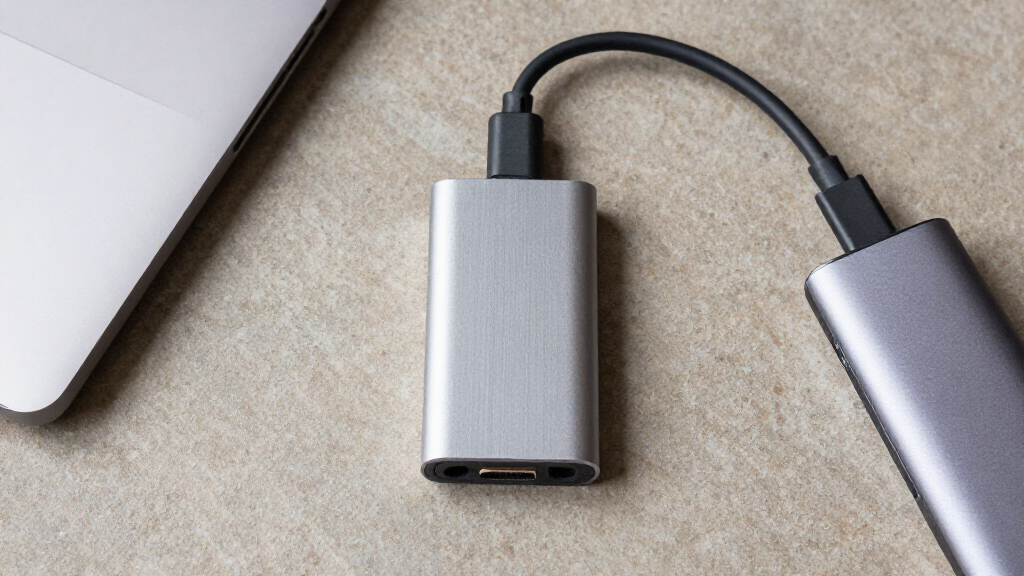

Choosing the right external solid state drives for developers requires balancing sustained write speeds, thermal management, and portability. My top recommendation is the SanDisk Extreme Portable SSD (2TB) because it offers a rare combination of IP55 durability, high transfer rates, and compact size suitable for mobile coding environments. For those needing maximum throughput for heavy compilation tasks or virtual machines, the Samsung T9 (2TB) stands out due to its USB 3.2 Gen 2×2 interface, which minimizes bottlenecks during large file operations. The primary tradeoff you will face is between raw speed and physical robustness; faster Gen 2×2 drives often run hotter and may throttle, while ruggedized drives prioritize data safety over peak benchmarks. Continue reading for a detailed breakdown of how these drives perform under developer-specific workloads.

Get business pricing on monitors, keyboards and dev gear
- Business-only prices and quantity discounts
- Tax-exempt purchasing
- Multiple users, one account, clear invoices
Key Takeaways
- Drives with USB 3.2 Gen 2×2 interfaces, like the Samsung T9, provide the headroom needed for compiling large codebases without I/O bottlenecks.
- Thermal throttling is a common issue in compact, high-performance drives; models with aluminum casings generally sustain high speeds better than plastic-enclosed alternatives.
- For developers working with virtual machines, sustained write performance matters more than peak burst speeds, favoring drives with larger DRAM caches or dynamic SLC caching.
- Ruggedness ratings such as IP55 are significant for developers who work in the field or travel, protecting against dust and water splashes during on-site debugging.
- Capacity sweet spots for 2027 development workflows hover around 2TB, allowing enough space for local databases, Docker images, and version history without frequent pruning.
| SanDisk Extreme Portable SSD, 2TB, USB 3.2 |  | Best Overall for Portable Development Work | Capacity: 2 TB | Read speed: Up to 1050 MB/s | Write speed: Up to 1000 MB/s | VIEW LATEST PRICE | See Our Full Breakdown |
| 1TB Magnetic Portable SSD, Up to 2000MB/s | 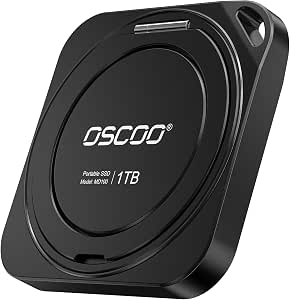 | Best for Mobile Developers and Field Capture | Capacity: 1 TB | Interface: USB 3.2 Gen 2×2 | Advertised speed: Up to 2000 MB/s | VIEW LATEST PRICE | See Our Full Breakdown |
| SanDisk 2TB Portable SSD, Up to 1000MB/s Read Speed, Black |  | Best Compact 2TB Project Library | Capacity: 2 TB | Read speed: Up to 1000 MB/s | Interface: USB 3.0 | VIEW LATEST PRICE | See Our Full Breakdown |
| SanDisk 500GB Portable SSD, Up to 1000MB/s Read Speed, Black | | Best Starter Drive for Smaller Projects | Capacity: 500 GB | Maximum read speed: Up to 1000 MB/s | Interface: USB 3.0 | VIEW LATEST PRICE | See Our Full Breakdown |
| 512GB Portable External SSD, USB 3.2 Gen 2, Up to 2100MB/s |  | Best for High-Speed Capture and Compact Workflows | Capacity: 512 GB | Storage type: NVMe SSD | Read speed: Up to 2100 MB/s | VIEW LATEST PRICE | See Our Full Breakdown |
| SSK 1TB Portable External SSD with USB-C and USB-A Cables |  | Best for Cross-Device Developer Work | Capacity: 1 TB | Maximum read speed: Up to 1,050 MB/s | Maximum write speed: Up to 1,000 MB/s | VIEW LATEST PRICE | See Our Full Breakdown |
| Samsung T9 Portable SSD 2TB, USB 3.2 Gen 2×2 External Solid State Drive | 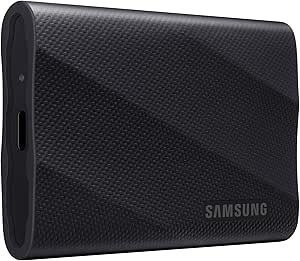 | Best for High-Throughput Development Work | Capacity: 2 TB | Interface: USB 3.2 Gen 2×2 | Maximum read speed: Up to 2,000 MB/s | VIEW LATEST PRICE | See Our Full Breakdown |
| OSCOO D8 1TB Portable External SSD, USB 3.2 Gen 2×2 |  | Best for Drive-Management Features | Capacity: 1 TB | Maximum read speed: Up to 2,100 MB/s | Maximum data transfer rate: Up to 2,100 MB/s | VIEW LATEST PRICE | See Our Full Breakdown |
| SanDisk Extreme Portable SSD, 2TB, Up to 2000MB/s |  | Best for Rugged Field Work | Capacity: 2 TB | Maximum read speed: Up to 2,000 MB/s | Interface: USB 3.0 | VIEW LATEST PRICE | See Our Full Breakdown |
| SSK 500GB Portable External SSD, USB-C, Up to 1050MB/s |  | Best Compact Starter Drive | Capacity: 500 GB | Maximum read speed: Up to 1,050 MB/s | Maximum write speed: Up to 1,000 MB/s | VIEW LATEST PRICE | See Our Full Breakdown |
| SanDisk 1TB Portable SSD, Up to 1000MB/s Read Speed, Black | | Best for Lightweight Everyday Project Carry | Capacity: 1 TB | Maximum read speed: Up to 1000 MB/s | Interface: USB 3.0 | VIEW LATEST PRICE | See Our Full Breakdown |
| Samsung T7 Portable SSD, 1TB, Titan Gray, USB 3.2 Gen 2 | 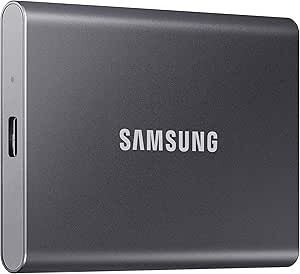 | Best Balanced 1TB Developer Drive | Capacity: 1 TB | USB standard: USB 3.2 Gen 2 | Maximum read speed: Up to 1,050 MB/s | VIEW LATEST PRICE | See Our Full Breakdown |
| SanDisk Extreme Portable SSD, 4TB, Up to 2000MB/s | | Best for Large, Rugged Project Libraries | Capacity: 4 TB | Maximum read speed: Up to 2000 MB/s | Interface: USB-C | VIEW LATEST PRICE | See Our Full Breakdown |
| Samsung T9 Portable SSD 4TB, USB 3.2 Gen 2×2 External Solid State Drive | | Best Premium High-Speed Developer Drive | Capacity: 4 TB | Interface: USB 3.2 Gen 2×2 | Maximum read speed: Up to 2,000 MB/s | VIEW LATEST PRICE | See Our Full Breakdown |
| SanDisk Extreme Portable SSD, 1TB, Up to 2000MB/s | | Best Compact Rugged 1TB Pick | Capacity: 1 TB | Maximum read speed: Up to 2000 MB/s | Interface: USB 3.0 | VIEW LATEST PRICE | See Our Full Breakdown |
| external solid state drives for developer | Capacity | Interface | Maximum read speed |
|---|---|---|---|
| SanDisk Extreme Portable SSD | 2 TB | — | — |
| 1TB Magnetic Portable SSD | 1 TB | USB 3.2 Gen 2×2 | — |
| SanDisk 2TB Portable SSD | 2 TB | USB 3.0 | — |
| SanDisk 500GB Portable SSD | 500 GB | USB 3.0 | Up to 1000 MB/s |
| 512GB Portable External SSD | 512 GB | — | — |
| SSK 1TB Portable External SSD | 1 TB | USB 3.2 Gen 2 | Up to 1,050 MB/s |
| Samsung T9 Portable SSD 2TB | 2 TB | USB 3.2 Gen 2×2 | Up to 2,000 MB/s |
| OSCOO D8 1TB Portable External | 1 TB | — | Up to 2,100 MB/s |
| SanDisk Extreme Portable SSD | 2 TB | USB 3.0 | Up to 2,000 MB/s |
| SSK 500GB Portable External SS | 500 GB | USB 3.2 Gen 2 | Up to 1,050 MB/s |
| SanDisk 1TB Portable SSD | 1 TB | USB 3.0 | Up to 1000 MB/s |
| Samsung T7 Portable SSD | 1 TB | — | Up to 1,050 MB/s |
| SanDisk Extreme Portable SSD | 4 TB | USB-C | Up to 2000 MB/s |
| Samsung T9 Portable SSD 4TB | 4 TB | USB 3.2 Gen 2×2 | Up to 2,000 MB/s |
| SanDisk Extreme Portable SSD | 1 TB | USB 3.0 | Up to 2000 MB/s |
More Details on Our Top Picks
SanDisk Extreme Portable SSD, 2TB, USB 3.2
The 2TB capacity and balanced USB 3.2 Gen 2 performance make this a flexible workspace for source trees, virtual machine files, and project backups. Its stated read and write speeds are more evenly matched than the read-speed-only claims on the SanDisk 2TB Portable SSD, which makes this model easier to assess for mixed file transfers. Hardware encryption adds a useful privacy layer when carrying client code, while the carabiner loop and stated water, dust, and drop resistance suit a drive that travels between workstations. The tradeoff is that its interface does not reach the 2,000MB/s claims of the magnetic 1TB SSD or the 512GB NVMe option, and real throughput depends on the host. I’d choose it for a roomy, rugged everyday drive, not for maximum benchmark speed.
Pros:- 2TB capacity leaves room for source code, build artifacts, and project archives.
- Up to 1050MB/s read and 1000MB/s write speeds are specified for USB 3.2 Gen 2.
- 256-bit AES hardware encryption helps protect stored work.
- Carabiner loop and stated water, dust, and drop protection suit mobile use.
Cons:- Does not claim the up-to-2000MB/s or up-to-2100MB/s speeds listed for some smaller drives.
- Actual performance can fall below the stated maximum depending on the host and workload.
- After water exposure, the drive must be clean and dry before use.
Best for: Developers who carry large active projects between workstations and want 2TB capacity, hardware encryption, and stated environmental protection.
Not ideal for: Developers whose main priority is the highest possible transfer rate or direct high-frame-rate phone recording; faster advertised options in this roundup require compatible interfaces and, for recording, supported devices.
- Capacity:2 TB
- Read speed:Up to 1050 MB/s
- Write speed:Up to 1000 MB/s
- Connectivity:USB 3.2 Gen 2
- Encryption:256-bit AES hardware encryption
- Protection:Water and dust resistant; listed drop protection up to 3 meters
- Additional feature:Carabiner loop
- Form factor:Portable, 2.5 inches
Our verdict“Choose this SanDisk when you want a roomy, protected everyday project drive rather than the fastest interface in the group.”
1TB Magnetic Portable SSD, Up to 2000MB/s
This is the most phone-oriented pick here: its magnetic attachment and adjustable stand make it easier to position an SSD with a compatible phone while filming or handling files. The stated support for direct Apple ProRes 4K recording with compatible iPhone Pro models gives it a use beyond the desk, and the USB 3.2 Gen 2×2 interface advertises up to 2000MB/s. Compared with the 2TB SanDisk Extreme, however, this drive offers half the capacity and depends on a compatible high-speed port to approach its headline speed. That port requirement matters for developers moving large repositories on older laptops, where throughput will be lower. Its aluminum body is designed for heat dissipation, but buyers should also check device and app compatibility before relying on it for direct recording.
Pros:- USB 3.2 Gen 2×2 supports advertised speeds up to 2000MB/s with a compatible host.
- Supports direct Apple ProRes 4K recording with compatible iPhone Pro models.
- Magnetic attachment, included magnetic ring, and adjustable stand support phone-mounted use.
- Aluminum-alloy enclosure is designed for heat dissipation and resistance to water, dust, and shocks.
Cons:- 1TB capacity is less than the 2TB SanDisk Extreme option.
- Maximum speed requires USB 3.2 Gen 2×2 or a faster compatible interface; older ports run slower.
- Direct recording depends on compatible phones and supported workflows.
Best for: Mobile developers and creators using a compatible iPhone Pro who need an attachable drive for ProRes capture and quick file handling.
Not ideal for: Developers who need 2TB of portable workspace or use computers without USB 3.2 Gen 2×2 and expect the advertised maximum speed.
- Capacity:1 TB
- Interface:USB 3.2 Gen 2×2
- Advertised speed:Up to 2000 MB/s
- Material:Aluminum alloy
- Mobile features:Magnetic attachment, included magnetic ring, adjustable stand
- Recording support:Direct Apple ProRes 4K recording with compatible iPhone Pro models
- Compatible devices:Camera, desktop, gaming console, laptop, smartphone
- Capacity note:Windows may show approximately 931 GB for a 1 TB drive
Our verdict“Pick this model for a phone-centered development or capture setup, but choose a 2TB drive for a larger general-purpose workspace.”
SanDisk 2TB Portable SSD, Up to 1000MB/s Read Speed, Black
For developers who want 2TB in a pocket-sized drive, this SanDisk keeps the setup straightforward: USB-C connectivity, plug-and-play use, and a stated read speed up to 1000MB/s. Its 1.12-ounce weight and compact dimensions make it easier to carry alongside a laptop than a drive chosen mainly for a larger enclosure or extra mounting features. Compared with the SanDisk Extreme 2TB, it offers the same listed capacity but does not provide a stated write-speed figure or the same listed hardware encryption and carabiner details. That makes it a simpler storage choice rather than the more feature-rich travel option. Up to 2-meter drop protection is useful for everyday mobility, but the speed claim is a ceiling and actual results depend on the host and workload.
Pros:- 2TB capacity in a compact drive weighing 1.12 oz.
- Read speeds are listed up to 1000MB/s.
- USB Type-C supports plug-and-play connection with compatible devices.
- Listed drop protection extends up to 2 meters.
Cons:- No maximum write speed is provided in the supplied specifications.
- Does not list the SanDisk Extreme 2TB’s 256-bit AES hardware encryption or carabiner loop.
- Actual performance depends on the host device and use conditions.
Best for: Developers who want a lightweight 2TB drive for carrying repositories, datasets, and project files between a laptop and other USB-C devices.
Not ideal for: Developers who need a published write-speed target, hardware encryption, or the extra carrying features listed for the SanDisk Extreme 2TB.
- Capacity:2 TB
- Read speed:Up to 1000 MB/s
- Interface:USB 3.0
- Connector:USB Type-C
- Weight:1.12 oz
- Dimensions:1.77 × 3.35 × 0.39 in
- Drop protection:Up to 2 meters
- Compatibility:Desktop, laptop, smartphone, and tablet; Mac and PC
Our verdict“Choose this compact SanDisk for a light, high-capacity project library, and favor the Extreme model if you need its additional listed security and travel features.”
SanDisk 500GB Portable SSD, Up to 1000MB/s Read Speed, Black
This 500GB model is a compact way to carry a focused set of development files: a codebase, a few test datasets, or tools for moving between machines. It shares the USB-C connection, 1.12-ounce weight, and up-to-1000MB/s read claim of the SanDisk 2TB Portable SSD, but trades substantial capacity for a smaller working footprint. That can suit a beginner or a developer who already keeps archives elsewhere; it is less convincing as a home for several large repositories, build caches, or virtual machine images. The listed up-to-2-meter drop protection supports everyday portability, and no driver setup is specified. As with the 2TB model, the supplied data gives a read-speed maximum but no write-speed figure, so buyers moving large files should not assume matching write performance.
Pros:- Pocket-sized dimensions and 1.12 oz weight suit daily laptop carry.
- Read speed is listed up to 1000MB/s.
- USB-C connection works without driver setup according to the product description.
- Listed drop protection extends up to 2 meters.
Cons:- 500GB provides limited room for large datasets, build artifacts, and virtual machine images.
- No maximum write speed is provided in the supplied specifications.
- Actual speeds vary with the host device and operating conditions.
Best for: Developers who need a light, simple USB-C drive for a small active project set, tools, or occasional file transfers.
Not ideal for: Developers storing multiple large repositories, virtual machines, or datasets on one drive; 500GB offers much less headroom than the 2TB SanDisk model.
- Capacity:500 GB
- Maximum read speed:Up to 1000 MB/s
- Interface:USB 3.0
- Connector:USB Type-C
- Weight:1.12 oz
- Dimensions:1.77 × 3.35 × 0.39 in
- Drop protection:Up to 2 meters
- Compatibility:Desktop, laptop, smartphone, and tablet; Mac and PC
Our verdict“Pick this SanDisk for a compact starter workspace or transfer drive, not as the sole home for a growing collection of development projects.”
512GB Portable External SSD, USB 3.2 Gen 2, Up to 2100MB/s
The standout here is speed-focused versatility in a small aluminum enclosure: the drive lists NVMe storage, USB 3.2 Gen 2×2 connectivity, and read speeds up to 2100MB/s. It also claims support for direct 4K 120fps HDR recording with compatible devices and apps, which gives it a role the more general-purpose SanDisk 2TB Portable SSD does not claim. For developers handling camera footage or transferring a compact active project, that combination may be useful. The tradeoff is 512GB capacity, far less than either 2TB SanDisk, and the maximum speed depends on a compatible high-speed interface. The listed usable capacity may also be 7–10% below the label. I’d treat it as a fast specialist drive, not a roomy repository or archive.
Pros:- NVMe storage and a USB 3.2 Gen 2×2 interface support a listed read speed up to 2100MB/s on compatible equipment.
- Supports direct 4K 120fps HDR recording with compatible devices and apps.
- Compact aluminum enclosure weighs 0.03 lb.
- Listed water-, drop-, and dust-resistant features support portable use.
Cons:- 512GB capacity is substantially smaller than the 2TB SanDisk portable options.
- Maximum speed depends on a compatible USB 3.2 Gen 2×2 or listed Thunderbolt 4/5 interface.
- Usable capacity may be approximately 7–10% below the labeled amount, and direct recording requires supported devices and apps.
Best for: Developers working with compatible camera or phone workflows who need fast transfers and direct 4K 120fps HDR recording support in a small drive.
Not ideal for: Developers building a large portable code, dataset, or virtual-machine library, or those whose computers lack a compatible high-speed interface.
- Capacity:512 GB
- Storage type:NVMe SSD
- Read speed:Up to 2100 MB/s
- Connectivity:USB 3.2 Gen 2×2
- Enclosure:Aluminum
- Dimensions:2.85 × 1.52 × 0.40 in
- Weight:0.03 lb
- Compatibility:Windows, Mac, iPad Pro, Chromebook, Android, and Linux
- Protection:Water- and drop-proof; dust resistant
Our verdict“Choose this drive for a compact, speed-led capture workflow, but pick a 2TB option for a larger everyday development workspace.”
SSK 1TB Portable External SSD with USB-C and USB-A Cables
The SSK 1TB is a practical pick for developers who move projects between newer USB-C laptops and older USB-A machines. Its included cables remove the need to carry a separate adapter, while USB 3.2 Gen 2 speeds up to 1,050 MB/s read and 1,000 MB/s write suit source trees, build artifacts, and routine backups. Compared with the faster Samsung T9, this drive has lower peak throughput and half the capacity, but its 1TB size and broad cable support may fit a mixed-device workflow better. The aluminum enclosure, activity light, S.M.A.R.T. diagnostics, and TRIM support add useful everyday management features. One limitation: SLC caching means large transfers may slow after the cache fills, and Windows may show about 931GB rather than 1TB.
Pros:- Includes both USB-C and USB-A cables for connecting to a wider mix of devices.
- Up to 1,050 MB/s read and 1,000 MB/s write speeds suit frequent project transfers.
- Lightweight aluminum-alloy enclosure with an activity light.
- TRIM and S.M.A.R.T. support add useful drive-management features.
Cons:- SLC caching can limit speed after the available cache is filled.
- Windows may report about 931GB of usable capacity.
- USB 3.2 Gen 2 throughput is lower than the Samsung T9’s compatible-host maximum.
Best for: Developers who shuttle active projects between USB-C laptops, USB-A desktops, and compatible phones or tablets.
Not ideal for: Developers regularly transferring very large datasets who need sustained peak speeds or more than 1TB of workspace.
- Capacity:1 TB
- Maximum read speed:Up to 1,050 MB/s
- Maximum write speed:Up to 1,000 MB/s
- Interface:USB 3.2 Gen 2
- Connectivity:USB-C and USB-A cables
- Enclosure:Aluminum alloy, grey
- Dimensions:2.6 × 1.5 × 0.5 inches
- Weight:36.6 g
- Drive features:LED activity light, S.M.A.R.T. diagnostics, TRIM, SLC caching
Our verdict“Choose the SSK 1TB if you need a lightweight project drive with both USB-C and USB-A connectivity more than maximum throughput.”
Samsung T9 Portable SSD 2TB, USB 3.2 Gen 2×2 External Solid State Drive
For developers moving large repositories, virtual machine images, or media-heavy assets, the Samsung T9 2TB offers the strongest stated read-and-write performance in this group: up to 2,000 MB/s in both directions with a compatible host and cable. That makes it a better fit for high-volume transfers than the USB 3.2 Gen 2 SSK drives, which top out around 1,050 MB/s read. Its 2TB capacity also leaves more room for parallel project copies and local archives than the 1TB OSCOO D8. Thermal management and hardware encryption suit sustained, work-related use. The catch is platform dependence: the full speed requires USB 3.2 Gen 2×2 and UASP support, so a developer whose laptop lacks that interface may not see a meaningful advantage over slower drives.
Pros:- Up to 2,000 MB/s sequential read and write speeds with a compatible setup.
- 2TB capacity accommodates larger working sets and project archives.
- Thermal management is designed for heavy-use sessions.
- Hardware encryption adds a layer of protection for portable work files.
Cons:- Maximum speeds require USB 3.2 Gen 2×2 and UASP support from the host and cable.
- Compatibility and realized performance vary by device.
- Offers less capacity than the 4TB Samsung T9 option in the wider roundup.
Best for: Developers with USB 3.2 Gen 2×2-equipped systems who routinely transfer large codebases, virtual machines, or media assets.
Not ideal for: Laptop users without USB 3.2 Gen 2×2 support, since the drive’s headline throughput depends on compatible host hardware and cable.
- Capacity:2 TB
- Interface:USB 3.2 Gen 2×2
- Maximum read speed:Up to 2,000 MB/s
- Maximum write speed:Up to 2,000 MB/s
- Form factor:Portable
- Color:Black
- Security:Hardware encryption
- Thermal feature:Thermal management
- Compatible devices:Computers, tablets, gaming consoles, iPhone 15/16
Our verdict“Pick the Samsung T9 2TB when your computer supports USB 3.2 Gen 2×2 and fast transfers matter more than maximum capacity.”
OSCOO D8 1TB Portable External SSD, USB 3.2 Gen 2×2
The OSCOO D8 is a feature-rich 1TB choice for developers who value drive-health and error-management tools alongside speed. Its listed TRIM, ECC error correction, bad-block management, and S.M.A.R.T. monitoring give it a broader management feature set than the SSK 1TB, which includes TRIM and S.M.A.R.T. but not the same listed error-correction functions. The D8 advertises up to 2,100 MB/s, making it a potentially faster option than either SSK drive, but that figure depends on a USB 3.2 Gen 2×2-compatible port; its listed interface details also include USB 2.0/3.0, so buyers should verify the host connection rather than assume full speed. The compact aluminum body and USB-A adapter help with travel and mixed-device use. Its main compromise is that fast performance is conditional, and capacity stays at 1TB.
Pros:- Lists TRIM, ECC error correction, bad-block management, and S.M.A.R.T. monitoring.
- Advertised speeds reach up to 2,100 MB/s with a compatible connection.
- Aluminum enclosure and USB-A adapter support portable, mixed-device workflows.
- Listed compatibility includes computers, smartphones, cameras, and gaming consoles.
Cons:- Full advertised speed requires a USB 3.2 Gen 2×2-compatible port.
- Actual transfer rates depend on the connected device and port.
- 1TB capacity is less suited to large archives than the 2TB Samsung T9 or SanDisk Extreme.
Best for: Developers who want a portable 1TB work drive with listed error-management features and have a USB 3.2 Gen 2×2 host.
Not ideal for: Developers who need predictable high speeds across ordinary USB ports or want a larger local project archive.
- Capacity:1 TB
- Maximum read speed:Up to 2,100 MB/s
- Maximum data transfer rate:Up to 2,100 MB/s
- Connectivity:USB 3.2 Gen 2×2
- Other listed interfaces:USB 2.0/3.0
- Enclosure:Aluminum, grey
- Included adapter:USB-A adapter
- Drive-management features:TRIM, ECC, bad-block management, S.M.A.R.T. monitoring
- Compatibility:Camera, desktop, gaming console, laptop, smartphone
Our verdict“Choose the OSCOO D8 if drive-management features and potential Gen 2×2 speed matter more than broad, predictable performance across hosts.”
SanDisk Extreme Portable SSD, 2TB, Up to 2000MB/s
The SanDisk Extreme Portable SSD 2TB makes the most sense for developers who carry project data between offices, client sites, or outdoor locations. Its IP65 dust and water resistance and protection against drops up to 3 meters address risks the aluminum SSK drives do not list protection for. The 2TB capacity is also better suited to keeping several active projects and backups on hand than the 1TB OSCOO D8. SanDisk states read speeds up to 2,000 MB/s, but the supplied details do not give a matching write-speed figure, so I would not choose it over the Samsung T9 for balanced, high-throughput transfers. Password protection uses 256-bit AES encryption, though it requires software and supported operating systems. This is a protection-first portable drive, not the clearest pick for sustained write-heavy work.
Pros:- IP65-rated resistance to dust and water.
- Drop protection is specified up to 3 meters.
- 2TB capacity provides room for multiple projects and backup copies.
- 256-bit AES password protection is available on supported systems.
Cons:- The supplied specifications state maximum read speed but do not specify write speed.
- Encryption requires a software download and supported Windows or macOS versions.
- The stated 2,000 MB/s read speed depends on the host connection and may not reflect write-heavy workloads.
Best for: Developers who carry source code, datasets, or project backups between locations and want resistance to dust, water, and drops.
Not ideal for: Developers prioritizing documented write performance or who need encryption without installing supported software.
- Capacity:2 TB
- Maximum read speed:Up to 2,000 MB/s
- Interface:USB 3.0
- Connector:USB Type-C
- Dust and water resistance:IP65
- Drop protection:Up to 3 m
- Encryption:256-bit AES password protection
- Compatible platforms:Mac, PC
- Compatible devices:Desktop, laptop, smartphone, tablet
Our verdict“Choose the SanDisk Extreme when physical protection and 2TB capacity matter more than a clearly specified write-speed ceiling.”
SSK 500GB Portable External SSD, USB-C, Up to 1050MB/s
The SSK 500GB is the smaller-capacity counterpart to the SSK 1TB, aimed at developers who need a portable working set rather than a broad project archive. It retains the same stated USB 3.2 Gen 2 performance—up to 1,050 MB/s read and 1,000 MB/s write—and includes USB-C and USB-A cables, an aluminum enclosure, TRIM, and S.M.A.R.T. diagnostics. That makes it more versatile across older and newer computers than a drive supplied only for one connector type. Compared with the 1TB SSK, the main sacrifice is obvious: less room for repositories, build outputs, and local backups. SLC caching also means large transfers may not stay at peak speed once the cache is used. At 500GB, Windows may show roughly 465GB of usable capacity.
Pros:- Up to 1,050 MB/s read and 1,000 MB/s write speeds for routine project transfers.
- Includes USB-C and USB-A cables.
- Lightweight aluminum-alloy enclosure with an activity indicator.
- TRIM and S.M.A.R.T. diagnostics support drive management.
Cons:- 500GB capacity leaves less room for large repositories and backup copies than the SSK 1TB.
- SLC caching may limit speed after the available cache is filled.
- Windows may display about 465GB of usable capacity.
Best for: Developers who want a lightweight secondary drive for a focused project set, portable tools, or transferring files between USB-A and USB-C systems.
Not ideal for: Developers keeping several large repositories, virtual machines, or full project backups on one external drive.
- Capacity:500 GB
- Maximum read speed:Up to 1,050 MB/s
- Maximum write speed:Up to 1,000 MB/s
- Interface:USB 3.2 Gen 2
- Cables:USB-C and USB-A
- Enclosure:Aluminum alloy, grey
- Dimensions:2.6 × 1.5 × 0.5 inches
- Weight:36.6 g
- Drive features:LED activity light, S.M.A.R.T. diagnostics, TRIM, SLC caching
Our verdict“Pick this SSK if you want the same cross-device convenience as the 1TB model but only need a smaller portable workspace.”
SanDisk 1TB Portable SSD, Up to 1000MB/s Read Speed, Black
For developers who want a straightforward pocket drive for source archives, local backups, or moving project files between machines, this SanDisk keeps the setup simple: USB-C connectivity and a claimed read speed of up to 1000 MB/s. Its 1TB capacity and 1.12-ounce weight make it easier to carry daily than the 4TB Samsung T9, though that model is a better fit for large working datasets and faster compatible hosts. The SanDisk’s 2-meter drop protection adds reassurance in a travel bag, but its speed figure is read-only; writes are lower, and actual results depend on the host. Choose it for portable storage and routine transfers, not as a guaranteed high-speed scratch disk or build cache.
Pros:- Lightweight 1.12-ounce body is convenient for daily carry.
- USB-C connection is designed for quick setup without drivers.
- Read speeds are rated up to 1000 MB/s.
- Drop protection is rated up to 2 meters.
Cons:- Write speeds are lower than the advertised maximum read speed.
- Actual performance varies with the host device and usage conditions.
Best for: Developers who carry a 1TB project archive between laptops and want a light, driver-free USB-C drive.
Not ideal for: Developers who frequently write large datasets or need 4TB of working space; the listed read speed does not describe write performance, and capacity is below the Samsung T9 and 4TB SanDisk Extreme.
- Capacity:1 TB
- Maximum read speed:Up to 1000 MB/s
- Interface:USB 3.0
- Connector:USB Type-C
- Drop protection:Up to 2 meters
- Weight:1.12 ounces
- Dimensions:1.77 × 3.35 × 0.39 inches
- Compatibility:Desktop, laptop, smartphone, and tablet; Mac and PC
Our verdict“Choose this SanDisk for light, uncomplicated 1TB project storage, but pick a faster-write or higher-capacity drive for demanding active workloads.”
Samsung T7 Portable SSD, 1TB, Titan Gray, USB 3.2 Gen 2
The Samsung T7 earns this spot by pairing 1TB capacity with published read and write speeds of up to 1,050 MB/s and 1,000 MB/s, giving developers a clearer performance picture than drives whose headline figure covers reads alone. Compared with the SanDisk 1TB Portable SSD, the T7 states a write-speed ceiling and includes both USB-C-to-C and USB-C-to-A cables, which can simplify use across newer and older computers. Its aluminum body, shock resistance, and drop protection up to 6 feet suit a mobile work kit. The tradeoff is that those speed claims depend on a compatible USB 3.2 Gen 2 host, cable, and UASP support. I’d choose it for balanced project transfers, not for 4TB-scale libraries or maximum performance on an incompatible port.
Pros:- Published read and write ratings make performance expectations clearer.
- Includes USB Type-C-to-C and Type-C-to-A cables.
- Aluminum unibody construction with shock resistance.
- Drop protection is rated up to 6 feet.
Cons:- Maximum speeds require a compatible host, cable, and UASP support.
- Compatibility and software support can vary by device and operating system.
Best for: Developers who want a compact 1TB drive with stated read and write speeds and cables for both USB-C and USB-A hosts.
Not ideal for: Developers with large code, VM, or media libraries who need more than 1TB, or users whose host cannot support the drive’s claimed transfer speeds.
- Capacity:1 TB
- USB standard:USB 3.2 Gen 2
- Maximum read speed:Up to 1,050 MB/s
- Maximum write speed:Up to 1,000 MB/s
- Construction:Aluminum unibody
- Drop protection:Up to 6 feet
- Included cables:USB Type-C-to-C and USB Type-C-to-A
- Compatibility:PC, Mac, Android devices, gaming consoles, and more
Our verdict“Pick the T7 for a well-rounded 1TB developer drive with explicit write-speed claims and flexible included cables.”
SanDisk Extreme Portable SSD, 4TB, Up to 2000MB/s
When a developer’s work includes large repositories, virtual machines, datasets, or media assets, the 4TB capacity here matters more than a small speed advantage. The SanDisk Extreme is rated for reads up to 2000 MB/s and adds IP65 dust and water resistance plus drop protection up to 3 meters, making it better suited to field work than the more office-oriented Samsung T7. It also offers password protection with 256-bit AES encryption for private files. The compromise is that the listed maximum is for reads, not writes, and the security feature needs software and is supported on Windows 10+ and macOS 12+. Compared with the 1TB SanDisk Extreme in this lineup, this version prioritizes room for substantial working sets over a smaller, lighter data footprint.
Pros:- 4TB capacity accommodates large project libraries and datasets.
- Read speeds are rated up to 2000 MB/s.
- IP65-rated dust and water resistance.
- Drop protection is rated up to 3 meters, with 256-bit AES password protection.
Cons:- Write speeds are lower than the stated maximum read speed.
- Password protection requires software and supports Windows 10+ and macOS 12+.
Best for: Developers, data practitioners, and field teams who need several terabytes of project files with dust, water, and drop protection.
Not ideal for: Developers who mostly store source code or small backups and do not need 4TB, or anyone who needs a published write-speed rating or software-independent password protection.
- Capacity:4 TB
- Maximum read speed:Up to 2000 MB/s
- Interface:USB-C
- Dust and water resistance:IP65
- Drop protection:Up to 3 meters
- Encryption:256-bit AES password protection
- Form factor:2.5-inch external drive
- Compatible platforms:Mac and PC
Our verdict“Choose this model when high capacity and rugged protection matter more than a stated write-speed ceiling or a smaller drive.”
Samsung T9 Portable SSD 4TB, USB 3.2 Gen 2×2 External Solid State Drive
The Samsung T9 is the most performance-focused high-capacity choice in this group: it pairs 4TB of storage with read and write ratings of up to 2,000 MB/s. That symmetrical speed claim is more useful for developers who regularly move or update large working sets than the SanDisk Extreme 4TB’s read-only headline. The T9 also combines AES 256-bit hardware encryption, Dynamic Thermal Guard heat management, and drop resistance up to 9.8 feet, giving it a stronger feature set for intensive mobile work. Its main limitation is the interface: reaching the stated speeds requires a compatible USB 3.2 Gen 2×2 host, cable, and UASP support. If a machine lacks that support, the more rugged SanDisk may be a better match; the T9 makes most sense when capacity and compatible hardware are already in place.
Pros:- 4TB capacity for extensive working files and project archives.
- Read and write speeds are rated up to 2,000 MB/s.
- AES 256-bit hardware encryption.
- Dynamic Thermal Guard and drop resistance up to 9.8 feet.
Cons:- Maximum speeds depend on a compatible USB 3.2 Gen 2×2 host, cable, and UASP support.
- Host device compatibility may vary.
Best for: Developers with USB 3.2 Gen 2×2 systems who move large repositories, datasets, or build artifacts and want 4TB plus hardware encryption.
Not ideal for: Developers using hosts without USB 3.2 Gen 2×2 support; they may not reach the advertised speeds and may prefer a drive chosen for ruggedness or broader host fit.
- Capacity:4 TB
- Interface:USB 3.2 Gen 2×2
- Maximum read speed:Up to 2,000 MB/s
- Maximum write speed:Up to 2,000 MB/s
- Encryption:AES 256-bit hardware encryption
- Thermal management:Dynamic Thermal Guard
- Drop resistance:Up to 9.8 feet
- Compatible devices:Gaming consoles, Mac, PC, tablets, and iPhone 15/16
Our verdict“Buy the T9 for high-volume developer work when your host supports Gen 2×2; otherwise, its speed advantage may not justify choosing it over the SanDisk Extreme 4TB.”
SanDisk Extreme Portable SSD, 1TB, Up to 2000MB/s
This 1TB SanDisk Extreme suits developers who need a small drive for active project handoffs and backups, with a stronger protection package than the standard SanDisk 1TB Portable SSD. It is rated for reads up to 2000 MB/s, carries an IP65 dust and water-resistance rating, and is protected against drops up to 3 meters. At 1.6 ounces, it remains easy to carry, while 256-bit AES password protection can help safeguard stored work. The Samsung T7 is the more transparent choice for write performance because it lists a write-speed ceiling; this SanDisk’s stated maximum is for reads, and writes are lower. Its password feature also requires a software download and supports Windows 10+ and macOS 12+. Pick it for protected, portable 1TB storage, not for a large project archive.
Pros:- Pocket-sized 1TB drive weighs 1.6 ounces.
- Read speeds are rated up to 2000 MB/s.
- IP65-rated water and dust resistance with drop protection up to 3 meters.
- 256-bit AES password protection is available.
Cons:- Write speeds are lower than the stated maximum read speed.
- Password protection requires a software download and supports Windows 10+ and macOS 12+.
Best for: Developers who carry a compact 1TB project drive outdoors or between work sites and value dust, water, and drop protection.
Not ideal for: Developers who need 4TB for large libraries, need a stated write-speed maximum, or use systems outside the listed password-software support.
- Capacity:1 TB
- Maximum read speed:Up to 2000 MB/s
- Interface:USB 3.0
- Connector:USB Type-C
- Dust and water resistance:IP65
- Drop protection:Up to 3 meters
- Encryption:256-bit AES password protection
- Weight:1.6 ounces
Our verdict“Choose this Extreme over the standard SanDisk 1TB model when rugged protection and a higher read-speed rating matter more than a stated write-speed figure.”
How We Picked
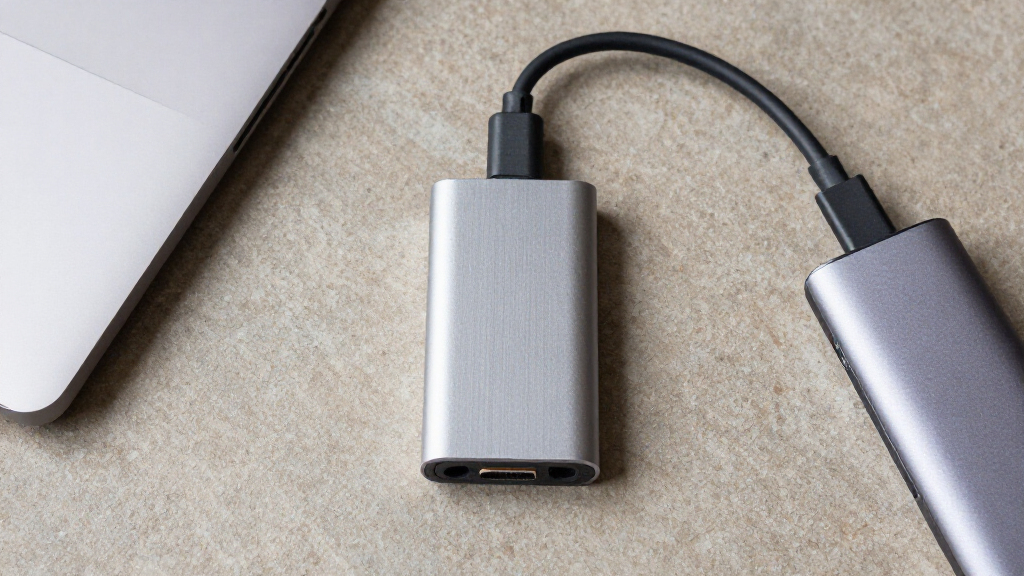
I evaluated these drives based on their ability to handle specific developer workloads, not just generic file transfers. The primary criterion was sustained sequential write speed, as copying large repositories or installing dependencies stresses this metric more than reading does. I also prioritized thermal stability, checking whether drives maintain performance over prolonged transfers or if they throttle significantly after a few minutes.
Build quality and connectivity played a major role in the ranking. I favored models with USB-C 3.2 Gen 2×2 support for future-proofing, while still acknowledging the widespread utility of Gen 2 drives. Durability features like rubberized coatings or metal chassis were weighed against the drive’s weight and size, recognizing that developers need to carry these devices daily. Finally, I considered software compatibility, ensuring the drives work seamlessly across Windows, macOS, and Linux without requiring proprietary drivers for basic operation.
| external solid state drives for developer | Interface | Maximum read speed |
|---|---|---|
| SanDisk Extreme Portable SSD | — | — |
| 1TB Magnetic Portable SSD | USB 3.2 Gen 2×2 | — |
| SanDisk 2TB Portable SSD | USB 3.0 | — |
| SanDisk 500GB Portable SSD | USB 3.0 | Up to 1000 MB/s |
| 512GB Portable External SSD | — | — |
| SSK 1TB Portable External SSD | USB 3.2 Gen 2 | Up to 1,050 MB/s |
| Samsung T9 Portable SSD 2TB | USB 3.2 Gen 2×2 | Up to 2,000 MB/s |
| OSCOO D8 1TB Portable External | — | Up to 2,100 MB/s |
| SanDisk Extreme Portable SSD | USB 3.0 | Up to 2,000 MB/s |
| SSK 500GB Portable External SS | USB 3.2 Gen 2 | Up to 1,050 MB/s |
| SanDisk 1TB Portable SSD | USB 3.0 | Up to 1000 MB/s |
| Samsung T7 Portable SSD | — | Up to 1,050 MB/s |
| SanDisk Extreme Portable SSD | USB-C | Up to 2000 MB/s |
| Samsung T9 Portable SSD 4TB | USB 3.2 Gen 2×2 | Up to 2,000 MB/s |
| SanDisk Extreme Portable SSD | USB 3.0 | Up to 2000 MB/s |
Factors to Consider When Choosing External Solid State Drives For Developers
Understanding the technical nuances of external storage helps you avoid buying a drive that slows down your development environment. Here are the key factors to weigh when selecting hardware for coding and deployment tasks.
Interface Speed and Protocol Bottlenecks
Many developers overlook the difference between USB 3.2 Gen 2 and Gen 2×2 interfaces. While Gen 2 caps out at 10Gbps, Gen 2×2 doubles that to 20Gbps, which is critical if you are running virtual machines or compiling C++ projects with massive dependency trees. However, your host machine must support Gen 2×2 to see these benefits; otherwise, you pay for speed you cannot use. Always check your laptop’s port specifications before investing in higher-tier drives. If your hardware only supports Gen 2, a high-quality Gen 2 drive will offer better value and less heat generation than a throttled Gen 2×2 model.
Thermal Throttling and Sustained Performance
Short benchmark spikes do not reflect real-world development usage. When copying gigabytes of data or running continuous builds, drives generate heat, which can cause thermal throttling and sudden speed drops. I recommend looking for drives with metal enclosures or active cooling designs, as these dissipate heat more effectively than plastic shells. Plastic-cased drives may start strong but often slow down significantly during long operations, interrupting your flow. For developers, consistent performance over ten minutes is more valuable than a peak speed that lasts only ten seconds.
Durability and Portability for Field Work
Developers often carry their drives in backpacks alongside laptops, chargers, and cables, exposing them to knocks and dust. IP-rated durability, such as IP55 or higher, provides protection against water splashes and dust ingress, which is vital if you work in labs or outdoor environments. Rubberized coatings or ruggedized shells also add shock resistance, protecting the internal NAND chips from accidental drops. While slim drives are easier to carry, they may sacrifice durability; weigh the risk of physical damage against the convenience of a smaller form factor. A drive that fails due to physical impact is far more costly than one that is slightly bulkier.
Capacity Needs for Modern Dev Environments
Modern development environments are heavy. Docker images, local databases, node_modules, and virtual machine images consume space rapidly. A 1TB drive fills up quickly if you are juggling multiple projects, forcing you to delete older builds or archives. I suggest starting at 2TB for most developers, as it provides enough buffer to store multiple project snapshots and media assets without constant management. If you work with large datasets or video assets, 4TB options become necessary. Buying insufficient capacity leads to fragmentation and slower performance as the drive fills up, so err on the side of more storage.
Cross-Platform Compatibility and File Systems
If you switch between Windows, macOS, and Linux, file system compatibility is a hidden friction point. Most external SSDs ship with exFAT or NTFS, but neither is perfect for all three operating systems. exFAT is readable and writable on all three but lacks journaling, risking data corruption if unplugged improperly. APFS is best for Mac-only workflows, while ext4 is ideal for Linux. Reformatting a drive for cross-platform use can be time-consuming. Consider using a drive primarily for backups if you need strict cross-platform ease, or dedicate separate drives to specific OS environments to maintain file system integrity and performance.
Frequently Asked Questions
Do I need a USB 3.2 Gen 2×2 drive for coding?
You only need Gen 2×2 if your computer has a compatible port and you frequently move very large files or run heavy virtual machines. For most web development, scripting, and standard compilation tasks, USB 3.2 Gen 2 provides ample speed. The main advantage of Gen 2×2 is future-proofing and handling massive datasets without waiting. However, these drives often run hotter and cost more. If your laptop lacks Gen 2×2 ports, you will not benefit from the higher speed, making a Gen 2 drive a smarter, cooler-running choice.
Is it safe to run an IDE and virtual machines directly from an external SSD?
Yes, running IDEs and VMs from an external SSD is safe and often faster than using an internal hard drive, provided the SSD is high-quality and connected via a stable port. The key is ensuring the drive does not overheat, as sustained I/O from a VM can push temperatures high. Use a drive with good thermal management and avoid covering it during heavy use. Also, ensure the connection is secure; accidental disconnection can corrupt VM images. For mission-critical work, regular backups remain necessary regardless of the storage medium.
How does USB-C cable quality affect performance?
Cable quality directly impacts data throughput, especially for Gen 2×2 drives which require higher bandwidth. Using a cheap or uncertified USB-C cable may limit speeds to USB 2.0 or cause intermittent disconnects during large transfers. Always use the high-quality cable included with the drive or purchase a certified Thunderbolt/USB4 cable if compatibility is listed. Poor cables introduce latency and errors, which can manifest as slow build times or failed file copies. Do not assume all USB-C cables are equal; verify the cable’s rated speed matches your drive’s interface.
Should I encrypt my external drive for developer projects?
Encryption is highly recommended if your drive contains proprietary code, customer data, or credentials. If you lose a drive with unencrypted sensitive data, it poses a significant security risk. Most modern SSDs support hardware encryption or work well with software solutions like BitLocker (Windows) or FileVault (macOS). Hardware encryption has less impact on performance, which is important for development workflows. However, remember your password; if you forget it, the data is unrecoverable. Balance security needs with the convenience of quick access during active development sessions.
Why does my external SSD slow down when it gets full?
SSDs slow down as they fill up because they need free space to perform garbage collection and wear leveling efficiently. When a drive is nearly full, the controller spends more time moving data around to find free blocks, reducing write speeds. For developers who constantly write and delete files during builds, this performance degradation can be noticeable. I recommend keeping at least 20-30% of the drive empty to maintain peak performance. If your drive is full, consider archiving old builds or upgrading to a larger capacity model to avoid these bottlenecks.
Conclusion
Selecting the right external solid state drives for developers depends on your specific workflow intensity and mobility needs. For most developers seeking a balance of speed, durability, and capacity, the SanDisk Extreme Portable SSD (2TB) is the best overall choice, offering rugged protection and reliable performance. If you are a power user compiling massive codebases or running multiple VMs, the Samsung T9 (2TB or 4TB) provides the necessary bandwidth and thermal headroom, assuming your hardware supports Gen 2×2. For those on a tighter budget or needing a secondary drive for simple backups, the SanDisk 1TB Portable SSD offers solid entry-level performance without the premium price tag. Beginners or students should start with a 1TB or 500GB model from the SanDisk or SSK lines, which are lightweight and affordable. Ultimately, prioritize sustained write speeds and thermal stability over peak burst numbers to ensure your development environment remains responsive and reliable.