The best software development book overall is The Pragmatic Programmer, a broad guide to building better habits and making sound engineering decisions. For a focused start, Python Crash Course teaches through hands-on projects, while A Philosophy of Software Design sharpens how readers think about complexity. The main tradeoff is choosing between a first programming language, durable software engineering principles, and newer AI-focused practices. No single book covers all three equally well, so the right choice depends on your experience and immediate goal. Continue reading for the full breakdown of all 15 books and a guide to choosing one that fits.

Get business pricing on monitors, keyboards and dev gear
- Business-only prices and quantity discounts
- Tax-exempt purchasing
- Multiple users, one account, clear invoices
Key Takeaways
- The Pragmatic Programmer leads for breadth: it focuses on habits and judgment that apply across languages, while more specialized books go deeper on a single skill.
- Python Crash Course is the clearest hands-on starting point in this lineup; Python QuickStart Guide and Beginner’s Step-by-Step Coding Course offer alternative beginner routes, but buyers should match their preferred learning depth and pace.
- A Philosophy of Software Design, Clean Code, and Agile Software Development address code quality from different angles: managing complexity, writing readable code, and applying principles and patterns.
- The AI-focused titles serve different stages of work: Agentic Coding with Claude Code centers on tool-assisted implementation, while Agentic Spec-Driven Development emphasizes specifying work before building.
- Several picks are strongest for context rather than daily coding instruction: The Mythical Man-Month explores project and team dynamics, and Software Development, in the Toilet offers an informal view of workplace life.
| The Agentic AI Bible: A Guide to Designing, Developing, and Scaling Goal-Driven LLM-Powered Agents |  | Best for Agent Architecture | Format: Not specified | Subject: Software development | Focus: Goal-driven LLM-powered agents | VIEW LATEST PRICE | See Our Full Breakdown |
| Essential Software Development Career and Technical Guide |  | Best for Broad Career and Technical Reference | Format: Not specified | Subject: Software development careers and technical topics | Career topics: Interviewing and management | VIEW LATEST PRICE | See Our Full Breakdown |
| Agentic Coding with Claude Code (5-in-1): A Practical Developer’s Handbook for Building, Automating, and Scaling Software Projects |  | Best for Claude Code Workflows | Format: Not specified | Subject: Agentic software development | Named tool: Claude Code | VIEW LATEST PRICE | See Our Full Breakdown |
| Python Crash Course, 3rd Edition: A Hands-On, Project-Based Introduction to Programming |  | Best for Beginner Programmers | Format: Not specified | Edition: 3rd Edition | Subject: Python programming | VIEW LATEST PRICE | See Our Full Breakdown |
| Software Development, in the Toilet: The People You’ll Meet, the Meetings You’ll Survive, and the Lessons No One Tells You |  | Best for Workplace Humor | Format: Not specified | Subject: Software development workplace experiences | Focus: People, meetings, and informal lessons | VIEW LATEST PRICE | See Our Full Breakdown |
| The Pragmatic Programmer: Your Journey to Mastery, 20th Anniversary Edition (2nd Edition) |  | Best Overall for Broad Development Craft | Title: The Pragmatic Programmer: Your Journey to Mastery | Edition: 20th Anniversary Edition (2nd Edition) | ASIN: 0135957052 | VIEW LATEST PRICE | See Our Full Breakdown |
| The Mythical Man-Month: Essays on Software Engineering, Anniversary Edition |  | Best for Software Project and Engineering Perspective | Title: The Mythical Man-Month: Essays on Software Engineering | Author: Frederick P. Brooks Jr. | Edition: Anniversary Edition | VIEW LATEST PRICE | See Our Full Breakdown |
| Agile Software Development: Principles, Patterns, and Practices |  | Best for Agile Principles and Practices | Title: Agile Software Development: Principles, Patterns, and Practices | Series: Alan Apt Series | Format: Book | VIEW LATEST PRICE | See Our Full Breakdown |
| Agentic Spec-Driven Development: A Practical Method for Using AI to Build Complete Specifications for Software, Products, and Knowledge Work |  | Best for AI-Assisted Specification Work | Title: Agentic Spec-Driven Development: A Practical Method for Using AI to Build Complete Specifications for Software, Products, and Knowledge Work | Subject: AI-assisted specification development | Stated method: Practical method for building complete specifications | VIEW LATEST PRICE | See Our Full Breakdown |
| Clean Code: A Handbook of Agile Software Craftsmanship | 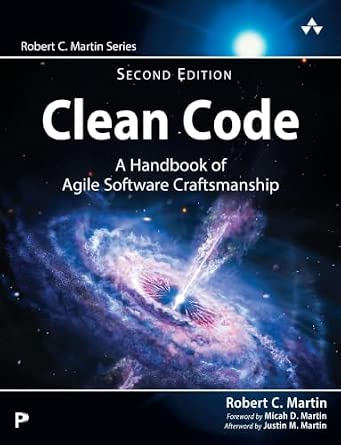 | Best for Maintainable Code Craft | Title: Clean Code: A Handbook of Agile Software Craftsmanship | Author: Robert C. Martin | Format: Book | VIEW LATEST PRICE | See Our Full Breakdown |
| A Philosophy of Software Design, 2nd Edition |  | Best for Software Design Thinking | Title: A Philosophy of Software Design | Edition: 2nd Edition | ASIN: 173210221X | VIEW LATEST PRICE | See Our Full Breakdown |
| The Rust Programming Language, 3rd Edition |  | Best for Learning Rust | Title: The Rust Programming Language | Edition: 3rd Edition | Subject: Rust programming | VIEW LATEST PRICE | See Our Full Breakdown |
| An Introduction to Software Development |  | Best for a General First Look | Title: An Introduction to Software Development | ASIN: B01D8X601I | Subject: Software development | VIEW LATEST PRICE | See Our Full Breakdown |
| Python QuickStart Guide: The Simplified Beginner’s Guide to Python Programming Using Hands-On Projects and Real-World Applications | 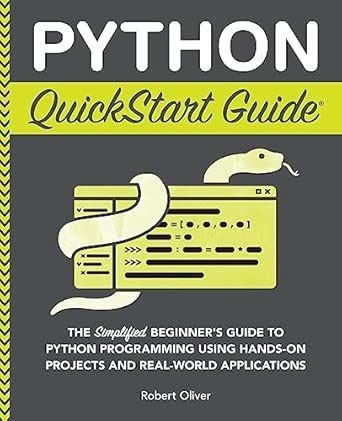 | Best for Quick, Project-Led Python Learning | Title: Python QuickStart Guide: The Simplified Beginner’s Guide to Python Programming Using Hands-On Projects and Real-World Applications | ASIN: 163610035X | Subject: Python programming | VIEW LATEST PRICE | See Our Full Breakdown |
| Beginner’s Step-by-Step Coding Course: Learn Computer Programming the Easy Way |  | Best for Guided Beginner Instruction | Title: Beginner’s Step-by-Step Coding Course: Learn Computer Programming the Easy Way | ASIN: 1465482210 | Format: Book | VIEW LATEST PRICE | See Our Full Breakdown |
| software development book | Subject | Format | Title | ASIN |
|---|---|---|---|---|
| The Agentic AI Bible: A Guide | Software development | Not specified | — | — |
| Essential Software Development | Software development careers and technical topics | Not specified | — | — |
| Agentic Coding with Claude Cod | Agentic software development | Not specified | — | — |
| Python Crash Course | Python programming | Not specified | — | — |
| Software Development | Software development workplace experiences | Not specified | — | — |
| The Pragmatic Programmer: Your | Software development skills | — | The Pragmatic Programmer: Your Journey to Mastery | 0135957052 |
| The Mythical Man-Month: Essays | Software engineering | — | The Mythical Man-Month: Essays on Software Engineering | 0201835959 |
| Agile Software Development: Pr | Agile software development | Book | Agile Software Development: Principles, Patterns, and Practices | 0135974445 |
| Agentic Spec-Driven Developmen | AI-assisted specification development | — | Agentic Spec-Driven Development: A Practical Method for Using AI to Build Complete Specifications for Software, Products, and Knowledge Work | B0GX38ZZYT |
| Clean Code: A Handbook of Agil | Clean, maintainable code | Book | Clean Code: A Handbook of Agile Software Craftsmanship | 0135398576 |
| A Philosophy of Software Desig | — | Book | A Philosophy of Software Design | 173210221X |
| The Rust Programming Language | Rust programming | Book | The Rust Programming Language | 1718504446 |
| An Introduction to Software De | Software development | Not provided | An Introduction to Software Development | B01D8X601I |
| Python QuickStart Guide: The S | Python programming | Book | Python QuickStart Guide: The Simplified Beginner’s Guide to Python Programming Using Hands-On Projects and Real-World Applications | 163610035X |
| Beginner’s Step-by-Step Coding | Computer programming | Book | Beginner’s Step-by-Step Coding Course: Learn Computer Programming the Easy Way | 1465482210 |
More Details on Our Top Picks
The Agentic AI Bible: A Guide to Designing, Developing, and Scaling Goal-Driven LLM-Powered Agents
This is the most architecture-oriented pick in this group for developers focused on LLM-powered agents. Its stated scope spans designing, developing, and scaling goal-driven systems, making it a better match for readers thinking beyond a single prompt or coding task. Compared with Agentic Coding with Claude Code (5-in-1), which centers on a specific tool and practical workflows, this book appears broader in its agent-design focus. That breadth may suit readers planning systems across different applications, but the available description does not identify languages, frameworks, or example projects, so I cannot judge how directly it translates into implementation steps. Choose it for its stated coverage of agent lifecycles; skip it if you need verified code samples or a clearly documented beginner path.
Pros:- Focuses specifically on goal-driven agents powered by large language models
- Its stated scope covers design, development, and scaling rather than a single stage
- Offers a broader agent-architecture angle than the Claude Code-focused handbook
Cons:- The supplied information does not identify programming languages, frameworks, or tools
- No project examples, exercises, or teaching level are specified
- The breadth of its scope is difficult to evaluate from the available product details
Best for: Software developers and technical leads who want a guide centered on designing and scaling goal-driven LLM agents.
Not ideal for: Readers seeking a language-specific programming tutorial, confirmed hands-on exercises, or detailed guidance on a named agent framework.
- Format:Not specified
- Subject:Software development
- Focus:Goal-driven LLM-powered agents
- Coverage:Designing, developing, and scaling agents
- Agent capabilities described:Thinking, executing tasks, and evolving
- Programming language:Not specified
Our verdict“Choose this for a stated focus on the full lifecycle of LLM agents, but pick the Claude Code handbook if tool-specific workflows matter more.”
Essential Software Development Career and Technical Guide
This guide earns a distinct place for readers who want career subjects and technical topics together, rather than a book devoted to one language or engineering principle. Its listed range runs from interviewing and management to multithreading, security, performance, and UI/UX. That makes it a wider reference-style choice than Python Crash Course, 3rd Edition, which concentrates on learning one programming language through projects. The tradeoff is focus: the supplied details do not show how deeply any topic is treated, or whether the chapters follow a course-like sequence. I would choose it as a broad survey for working developers or job seekers, not as a substitute for a dedicated text on architecture, cryptography, or coding fundamentals.
Pros:- Brings career guidance and technical subjects into one book
- Lists a wide range of topics, including security, performance, and architecture
- Includes both individual engineering concerns and management-related subjects
Cons:- The available description does not clarify the depth of coverage for each topic
- No programming language, learning sequence, or practical project format is specified
- Its broad subject list may be less useful than a focused text for building a specific skill
Best for: Developers preparing for interviews or seeking a broad overview of both engineering practice and career topics.
Not ideal for: Beginners who need a step-by-step first programming course, or specialists seeking in-depth coverage of one technical subject.
- Format:Not specified
- Subject:Software development careers and technical topics
- Career topics:Interviewing and management
- Programming topics:Coding and multithreading
- Systems topics:Architecture and performance
- Security topics:Cryptography and security
- Design topic:UI/UX
Our verdict“Pick this as a broad career-and-engineering survey, but choose a focused programming book when you need structured practice in one skill.”
Agentic Coding with Claude Code (5-in-1): A Practical Developer’s Handbook for Building, Automating, and Scaling Software Projects
For programmers who already have a reason to use Claude Code, this handbook offers the clearest tool-specific route into agentic development among these five. Its five-section structure and step-by-step examples are presented as a way to apply AI workflows to building, automating, and scaling projects—not just to discuss agents in the abstract. Compared with The Agentic AI Bible, it trades a broader agent-design framing for a named tool and practical workflow emphasis. That specificity is useful when the reader’s stack already includes Claude Code, but it narrows its appeal for developers comparing several AI coding tools. The description also flags a learning curve for newcomers, so readers unfamiliar with agent concepts may want a more foundational introduction before relying on it for project work.
Pros:- Focuses directly on Claude Code and agentic coding workflows
- Describes step-by-step examples tied to software projects
- Organizes material into five sections for more focused study
- Covers building, automating, and scaling projects
Cons:- Its emphasis on Claude Code limits usefulness for readers choosing among tools
- The stated learning curve may challenge developers new to agentic concepts
- The supplied details do not identify programming languages or example project requirements
Best for: Programmers familiar with Claude Code who want practical examples for adding agentic workflows to software projects.
Not ideal for: Developers new to AI agents or readers looking for a tool-neutral guide to software development.
- Format:Not specified
- Subject:Agentic software development
- Named tool:Claude Code
- Structure:Five focused sections
- Approach:Theory and hands-on examples
- Project focus:Building, automating, and scaling software projects
- Intended audience:Programmers integrating AI into development workflows
Our verdict“Choose this if Claude Code is already part of your development plans; opt for the broader Agentic AI Bible for a less tool-specific focus.”
Python Crash Course, 3rd Edition: A Hands-On, Project-Based Introduction to Programming
This is the most direct choice here for someone who wants to start programming with a structured, project-based introduction. Rather than covering career issues or AI agents, it centers on Python and learning through practical work, giving a new programmer a clearer starting point than the broad survey in Essential Software Development Career and Technical Guide. Its third-edition label identifies the edition, while the supplied details do not specify the projects, prerequisites, or exact progression. That leaves some unanswered questions for readers choosing a course, but the stated hands-on format is a useful distinction from books framed around professional practice or specialized tools. I would favor it for learning programming fundamentals in Python and skip it if the immediate goal is software architecture, agent workflows, or career preparation.
Pros:- Designed as an introduction to programming
- Uses a hands-on, project-based approach
- Focuses on Python rather than spreading across many technical subjects
- Identifies itself as the third edition
Cons:- Its Python focus will not serve readers seeking instruction in another language
- The supplied description does not specify project details or prerequisites
- It is not presented as a guide to career development or advanced software architecture
Best for: New programmers who want to learn Python through hands-on projects rather than begin with a broad career or theory survey.
Not ideal for: Experienced developers seeking advanced software design, career advice, or instruction in languages other than Python.
- Format:Not specified
- Edition:3rd Edition
- Subject:Python programming
- Audience:People learning programming
- Teaching approach:Hands-on
- Organization:Project-based
Our verdict“Choose this for a project-led start in Python, but select a broader or more specialized book if you already know the programming basics.”
Software Development, in the Toilet: The People You’ll Meet, the Meetings You’ll Survive, and the Lessons No One Tells You
This is the lineup’s people-and-meetings pick, not a technical manual. Its humorous framing targets the workplace experiences around software development, offering a different angle from Essential Software Development Career and Technical Guide, whose listed scope includes interview preparation and technical subjects. That distinction makes this title a possible companion for readers interested in the social side of engineering, but the available description does not establish how much practical career advice or technical instruction it contains. Buyers should treat the humor and relatable workplace themes as the draw, not assume it will teach coding, architecture, or team methods. Compared with the project-based Python book, it is aimed at recognizing work culture rather than building programming skills.
Pros:- Centers on people and meetings in software development
- Uses a humorous framing rather than a technical textbook approach
- Addresses workplace experiences that language-focused books do not cover
Cons:- The supplied details do not confirm specific lessons or practical advice
- No programming language, technical topic list, or learning format is provided
- Its workplace focus is not a replacement for coding or software design instruction
Best for: Software developers who want a humorous take on workplace dynamics, meetings, and the less formal lessons of engineering work.
Not ideal for: Readers seeking coding instruction, documented technical guidance, or a clearly outlined career-development curriculum.
- Format:Not specified
- Subject:Software development workplace experiences
- Focus:People, meetings, and informal lessons
- Tone:Humorous
- Programming language:Not specified
- Technical topics:Not specified
Our verdict“Choose this for a humorous workplace-oriented read, not as your main resource for learning software development skills.”
The Pragmatic Programmer: Your Journey to Mastery, 20th Anniversary Edition (2nd Edition)
The Pragmatic Programmer earns the broadest role in this group: it focuses on developing software skills rather than one language or a single method. Its 20th anniversary, second edition gives readers a defined edition to seek out, while the supplied product details do not specify particular topics or exercises. Compared with Clean Code, which centers on maintainable code and craftsmanship, this title is positioned as a wider guide to growing as a developer. That makes it a stronger fit for readers seeking principles they can carry between projects, but a weaker choice if they want a narrow, detailed treatment of code style. The description also provides no format, chapter, or author information, so I would not choose it based on an assumed structure. It is the most versatile pick here, not a substitute for a focused technical text.
Pros:- Explicitly focuses on developing software-development skills
- A broad subject makes it relevant beyond one named language
- The 20th Anniversary Edition and second-edition designation clearly identify the edition
Cons:- The supplied description gives no specific topics, examples, or exercises
- No format or author details are provided in the product data
- Its broad positioning may feel less targeted than Clean Code for readers focused on maintainable code
Best for: Developers seeking a general software-development skills book that is not tied to a specified programming language
Not ideal for: Readers who need a language-specific tutorial, detailed chapter-level guidance, or confirmed information about format and contents
- Title:The Pragmatic Programmer: Your Journey to Mastery
- Edition:20th Anniversary Edition (2nd Edition)
- ASIN:0135957052
- Subject:Software development skills
- Product type:Book
- Language or platform focus:Not specified in the supplied product data
Our verdict“Choose this edition for a broad software-development skills guide, but select Clean Code if maintainable-code practice is your main goal.”
The Mythical Man-Month: Essays on Software Engineering, Anniversary Edition
The Mythical Man-Month stands apart from the more code-centered picks in this group by presenting its subject as essays on software engineering. That makes it a distinctive choice for readers interested in the broader engineering and project side of development, rather than a guide explicitly framed around writing clean code like Clean Code or applying agile principles like Agile Software Development. The anniversary edition is identified in the title, but the supplied data does not describe its contents, format, or any updates, so I would avoid assuming what has changed. Its essay format may suit readers who want ideas to reflect on, though the available description does not confirm how practical or step-by-step the guidance is. This is a focused perspective on software engineering, not a beginner programming course or a manual for a particular technology.
Pros:- Explicitly addresses software engineering through essays
- Offers a different emphasis from code-craft books such as Clean Code
- The anniversary edition is identified in the title
Cons:- The supplied product data gives no detail about specific essay topics
- No format or edition-update information is provided
- The description does not establish whether the material includes practical exercises or current technical examples
Best for: Software developers, technical leads, and project-minded readers looking for essays on software engineering rather than language instruction
Not ideal for: New programmers seeking hands-on coding lessons or readers who need a confirmed, step-by-step project-management method
- Title:The Mythical Man-Month: Essays on Software Engineering
- Author:Frederick P. Brooks Jr.
- Edition:Anniversary Edition
- Subject:Software engineering
- Content type:Essays
- ASIN:0201835959
Our verdict“Pick this book for an essay-based software-engineering perspective, not for hands-on coding instruction.”
Agile Software Development: Principles, Patterns, and Practices
Agile Software Development: Principles, Patterns, and Practices is the most clearly method-focused selection here: its stated scope joins agile principles with patterns and practices. That combination gives readers a path from concepts toward applied software-development approaches, unlike The Mythical Man-Month, which is described as essays on software engineering. It also differs from Clean Code, whose stated focus is maintainable code and craftsmanship rather than agile development as a whole. The product data identifies the Alan Apt Series and book format, but offers no detail about examples, depth, or specific practices, so buyers should not assume a particular level of hands-on instruction. This is a sensible fit for readers who already want an agile-focused book; those seeking a broad craft overview or language-specific lessons may find its scope too specialized.
Pros:- Explicitly covers agile software-development principles
- Pairs principles with patterns and practices in its stated scope
- Identified as part of the Alan Apt Series
Cons:- The supplied data does not name specific patterns or practices
- No detail is provided about examples, exercises, or intended experience level
- Its agile focus is narrower than the broad skills remit of The Pragmatic Programmer
Best for: Developers and software teams specifically seeking a book focused on agile principles, patterns, and practices
Not ideal for: Readers looking for a programming-language tutorial or a general guide to software craft without an agile focus
- Title:Agile Software Development: Principles, Patterns, and Practices
- Series:Alan Apt Series
- Format:Book
- Subject:Agile software development
- Stated coverage:Principles, patterns, and practices
- ASIN:0135974445
Our verdict“Choose this book when agile principles and practices are your main learning goal, rather than general software craft.”
Agentic Spec-Driven Development: A Practical Method for Using AI to Build Complete Specifications for Software, Products, and Knowledge Work
Agentic Spec-Driven Development is the most specialized and current-facing choice in this group: it focuses on using AI to build complete specifications, with applications in software, product development, and knowledge work. That puts it at a different stage of the development process from Clean Code, which concerns writing maintainable code, and from Agile Software Development, which is framed around agile principles, patterns, and practices. Its stated practical method may appeal to readers who want AI involved in clarifying work before implementation. The tradeoff is scope: the description does not identify particular tools, workflows, examples, or the author’s definition of agentic development. It also extends beyond software, which may be useful to cross-functional readers but less focused for developers seeking conventional programming instruction.
Pros:- Focuses on practical methods for using AI to build specifications
- Applies to software, product development, and knowledge work
- Addresses specification work rather than repeating the code-craft focus of Clean Code
Cons:- The supplied data does not identify specific AI tools or workflows
- No author, edition, or format details are provided
- Its scope across several types of work may be less targeted for developers seeking programming instruction
Best for: Developers and product practitioners exploring AI-assisted specification building across software and related work
Not ideal for: Readers who want language instruction, code-craft guidance, or a clearly documented tool-specific AI workflow
- Title:Agentic Spec-Driven Development: A Practical Method for Using AI to Build Complete Specifications for Software, Products, and Knowledge Work
- Subject:AI-assisted specification development
- Stated method:Practical method for building complete specifications
- Application:Software
- Additional applications:Product development and knowledge work
- ASIN:B0GX38ZZYT
Our verdict“Choose this book if AI-assisted specification work is your priority, and skip it for traditional coding lessons or code-quality guidance.”
Clean Code: A Handbook of Agile Software Craftsmanship
Clean Code is the most directly code-focused book in this set: its stated aim is to help readers write clean, maintainable software through craftsmanship principles and practices. That makes it a more targeted choice than The Pragmatic Programmer, which is positioned around broader development skills, and a closer match than Agile Software Development for readers whose immediate concern is code quality. The product data names Robert C. Martin and identifies the format as a book, but does not specify chapters, examples, or a target experience level. Its emphasis on craftsmanship is useful if you want to evaluate how code is written and maintained; it is not a substitute for a language tutorial or an overview of every part of software development. Readers seeking a broader engineering perspective may prefer The Mythical Man-Month.
Pros:- Explicitly focuses on writing clean, maintainable code
- Presents software craftsmanship principles and practices
- Author and book format are identified in the supplied data
Cons:- The supplied product data does not list specific techniques or examples
- No intended experience level or language focus is provided
- Its code-quality scope is narrower than The Pragmatic Programmer’s broad software-development remit
Best for: Developers who want a focused book on writing and maintaining code, including practitioners refining their software craftsmanship
Not ideal for: Beginners who need step-by-step programming instruction or readers seeking broad project and software-engineering coverage
- Title:Clean Code: A Handbook of Agile Software Craftsmanship
- Author:Robert C. Martin
- Format:Book
- Subject:Clean, maintainable code
- Stated approach:Software craftsmanship principles and practices
- ASIN:0135398576
Our verdict“Choose Clean Code for a focused study of maintainable code and craftsmanship, rather than for language lessons or broad project guidance.”
A Philosophy of Software Design, 2nd Edition
A Philosophy of Software Design suits readers who want to reason about the structure of software, rather than learn a particular programming language. Its second edition signals an updated treatment, though the provided product details do not specify the changes or chapter coverage. Compared with The Rust Programming Language, 3rd Edition, this is the broader design-oriented choice: it is not tied to Rust syntax, but it also cannot serve as a hands-on language course. It makes the most sense alongside practical coding material for developers who want to improve how they organize and explain systems. The limited supplied information makes it difficult to judge its depth or suitability for complete beginners, so readers seeking guided exercises or a defined syllabus may prefer a more detailed course-style book.
Pros:- Focuses on software design rather than one programming language
- Second edition offers a newer edition than the original
- Can complement language-specific books such as The Rust Programming Language
- May suit developers seeking concepts applicable across projects
Cons:- The supplied details do not describe topics, examples, or exercises
- Not identified as a beginner programming tutorial
- Readers cannot tell from the available information what changed in the second edition
Best for: Developers who already write code and want a design-focused companion to language-specific learning
Not ideal for: Readers seeking a step-by-step programming course, hands-on projects, or detailed information about the book’s contents before choosing
- Title:A Philosophy of Software Design
- Edition:2nd Edition
- ASIN:173210221X
- Category:Software development
- Format:Book
- Programming language specified:None in the supplied product data
Our verdict“Choose this for a design-oriented read alongside practical coding instruction, but not as your main how-to programming guide.”
The Rust Programming Language, 3rd Edition
The Rust Programming Language, 3rd Edition is the clearest fit here for a reader who has chosen Rust and wants a book centered on that language. The edition and subject are specified, but the supplied details do not establish its chapter list, exercise style, or assumed experience level. That makes it a more focused pick than A Philosophy of Software Design, 2nd Edition, which is aimed at design thinking rather than one language; it is also narrower than the general beginner promise of Python QuickStart Guide. This focus is useful if Rust is your target, but a poor match if you want transferable software-design guidance or an introduction to programming through another language. The third-edition label alone does not explain what material was updated, so check the book’s contents if edition changes matter to you.
Pros:- Dedicated to Rust programming
- Identified as the third edition
- Provides a more language-specific option than general software development titles
- Can pair with broader design reading such as A Philosophy of Software Design
Cons:- Supplied data does not describe the curriculum or examples
- Not a general-purpose guide to software development across languages
- The specific changes in the third edition are not provided
Best for: Learners and developers who have specifically chosen Rust and want a book devoted to that language
Not ideal for: Readers who are undecided about a programming language or want language-independent software design advice
- Title:The Rust Programming Language
- Edition:3rd Edition
- Subject:Rust programming
- ASIN:1718504446
- Category:Software development
- Format:Book
Our verdict“Pick this when Rust is your learning goal; choose a broader design book if you want concepts that apply across languages.”
An Introduction to Software Development
An Introduction to Software Development has the broadest beginner-facing framing in this group: its title points to the discipline as a whole, not a single language or a narrow design topic. That can suit readers who want an initial orientation before choosing what to study next. However, no details are supplied about the author, format, specific topics, examples, or learning sequence, so I cannot tell whether it teaches coding directly or surveys the development process. Compared with Beginner’s Step-by-Step Coding Course, it sounds less explicitly structured as a course; compared with Python QuickStart Guide, it does not promise hands-on projects or a specific language. The broad scope is its potential advantage, but the missing information makes it a less assured pick for anyone who wants a defined path and practical exercises.
Pros:- Title presents a broad introduction to software development
- Not limited by the supplied data to a named programming language
- May serve as an initial orientation before more specialized study
Cons:- No information is supplied about its contents or teaching approach
- Hands-on exercises and coding projects are not specified
- No edition, format, or experience requirements are provided
Best for: Newcomers who want a general introduction to software development before selecting a language or specialty
Not ideal for: Beginners who need confirmed step-by-step lessons, hands-on coding projects, or clear information about topics covered
- Title:An Introduction to Software Development
- ASIN:B01D8X601I
- Subject:Software development
- Edition:Not provided
- Format:Not provided
- Programming language:Not specified
Our verdict“Consider it for a broad first look only if you can verify the contents, since the available details do not confirm a practical learning path.”
Python QuickStart Guide: The Simplified Beginner’s Guide to Python Programming Using Hands-On Projects and Real-World Applications
Python QuickStart Guide is the most directly practical choice here for a newcomer who wants to start writing code through projects rather than begin with dense theory. Its step-by-step explanations and real-world applications give beginners a reason to use core concepts as they learn. Compared with The Rust Programming Language, 3rd Edition, it offers a beginner-friendly Python route rather than a Rust-specific one; compared with Python Crash Course, 3rd Edition, the supplied description positions it as a compact, fast-start guide, not a comprehensive treatment. That compactness is helpful for readers who want momentum, but it limits coverage of advanced Python topics and may leave learners wanting more depth. Choose it for a practical start, then plan on a fuller reference or course as your skills grow.
Pros:- Step-by-step explanations are aimed at absolute beginners
- Hands-on projects connect fundamentals to practical applications
- Compact approach supports a quick start
- Emphasizes application over dense theory
Cons:- Limited depth for advanced Python topics
- May be too brief for readers seeking comprehensive coverage
Best for: Absolute beginners who want to learn Python fundamentals through concise explanations and hands-on projects
Not ideal for: Readers seeking advanced Python coverage or a thorough, long-term reference in one book
- Title:Python QuickStart Guide: The Simplified Beginner’s Guide to Python Programming Using Hands-On Projects and Real-World Applications
- ASIN:163610035X
- Subject:Python programming
- Audience:Beginners
- Teaching approach:Step-by-step instruction
- Learning activities:Hands-on projects
- Application focus:Real-world applications
- Format:Book
Our verdict“Choose this for a concise, project-led start in Python, not as your only resource for advanced development.”
Beginner’s Step-by-Step Coding Course: Learn Computer Programming the Easy Way
Beginner’s Step-by-Step Coding Course is framed as a course for newcomers, making it a plausible choice for readers who prefer instruction presented in ordered steps rather than a design-focused discussion. Its main distinction from An Introduction to Software Development is that the title explicitly promises a step-by-step learning approach; unlike Python QuickStart Guide, though, it does not identify a language or describe projects. The supplied data confirms only that it is a book and is aimed at beginners, so I cannot judge which programming concepts it covers, how much practice it includes, or whether its lessons build toward a working program. That uncertainty matters for buyers who need concrete exercises. It may provide an approachable starting point, but readers seeking confirmed Python projects or Rust instruction have more clearly specified alternatives in this lineup.
Pros:- Designed for beginners
- Step-by-step approach is stated in the product information
- Provides a general programming option rather than naming one language
- Listed as a book
Cons:- No programming language or topic list is provided
- The supplied details do not confirm exercises or project work
- Course depth and structure are not described
Best for: New programmers who prefer an explicitly step-by-step introduction and do not need a named language in advance
Not ideal for: Learners who want confirmed projects, a specific language curriculum, or detailed information about the course structure
- Title:Beginner’s Step-by-Step Coding Course: Learn Computer Programming the Easy Way
- ASIN:1465482210
- Format:Book
- Audience:Beginners
- Teaching approach:Step-by-step instruction
- Subject:Computer programming
Our verdict“Choose it if a beginner-oriented step sequence is your priority, but favor Python QuickStart Guide when you want confirmed projects and a named language.”

How We Picked
I compared these software development books by the kind of progress they promise readers: learning to program, improving engineering judgment, understanding design, working with teams, or applying AI tools. I weighed how clearly each title serves its intended reader, whether its approach is practical or conceptual, how broadly its lessons may transfer, and whether its subject is a durable foundation or a narrower, fast-changing practice. I also considered the likely learning curve, so a technical reference would not outrank a more suitable first book for a beginner simply because it covers advanced material.
The order favors books with wide usefulness and clear learning value before narrower or more situational picks. The Pragmatic Programmer ranks first for its cross-language focus; Python Crash Course stands out for project-based entry into coding; and design, clean-code, and agile titles follow for readers ready to improve existing practice. AI-specific books, career guidance, programming references, and lighter workplace perspectives remain useful, but their narrower audience or subject focus places them lower for a general roundup. The ranking is a guide to fit, not a claim that every reader should follow the same reading path.
| software development book | Format |
|---|---|
| The Agentic AI Bible: A Guide | Not specified |
| Essential Software Development | Not specified |
| Agentic Coding with Claude Cod | Not specified |
| Python Crash Course | Not specified |
| Software Development | Not specified |
| The Pragmatic Programmer: Your | — |
| The Mythical Man-Month: Essays | — |
| Agile Software Development: Pr | Book |
| Agentic Spec-Driven Developmen | — |
| Clean Code: A Handbook of Agil | Book |
| A Philosophy of Software Desig | Book |
| The Rust Programming Language | Book |
| An Introduction to Software De | Not provided |
| Python QuickStart Guide: The S | Book |
| Beginner’s Step-by-Step Coding | Book |
Factors to Consider When Choosing Software Development Books
Before choosing among these software development books, decide what you want to be able to do after reading. A book can teach syntax, build design judgment, explain team practices, or guide work with AI tools; those outcomes overlap, but they are not interchangeable. The factors below help match a title to your experience, goals, and preferred way of learning.
Choose a skill goal before choosing a title
Start by naming a task you want to handle better, such as writing your first program, refactoring a difficult codebase, or planning work across a team. Beginners often buy a broad software engineering book expecting it to teach a programming language, then find that it assumes coding experience. Experienced developers can make the opposite mistake by choosing another syntax tutorial when the real gap is design judgment or collaboration. A focused book usually gives clearer progress, while a broad one can help readers connect ideas across projects. If you have several goals, choose the one that blocks your current work and treat later books as a sequence rather than expecting one volume to cover everything.
Match the teaching format to how you learn
Some readers learn best by following projects and changing working code; others prefer principles, explanations, and examples they can apply to their own systems. A project-based approach can make early learning concrete, but it may leave less room for the reasons behind each design choice. Conceptual books can build durable judgment, yet readers who need immediate practice may find them abstract without a coding exercise alongside them. Check whether the book expects you to install tools, complete exercises, or already understand basic programming. A common buying mistake is treating a beginner label as proof that a book suits every beginner, when pace, project style, and assumed knowledge vary.
Separate durable principles from fast-changing tools
Software design, readability, and team communication tend to remain useful across technology shifts, while instructions for a particular language version or AI assistant can age more quickly. A tool-specific book may be the right choice when that tool is part of your current work, but it is a riskier pick as your only long-term reference. Before buying, check the edition and whether examples depend on a named tool or release. For AI development, look for a clear distinction between repeatable engineering practices and workflows tied to one assistant. Pairing a current practical guide with a broader design book can balance immediate usefulness with lessons that last.
Use your experience level to set the reading order
New programmers usually benefit from learning basic concepts and building small programs before tackling architecture, patterns, or team-process debates. Readers already writing software can gain more from books about complexity, code quality, and project decisions than from a second introductory course. The mistake to avoid is choosing a challenging title for its reputation rather than its fit; frustration with assumed knowledge can stall reading before the useful ideas arrive. If a book feels too advanced, keep it as a later reference and start with a more guided introduction. If it feels too basic, use its exercises to identify gaps, then move to a focused design or engineering title.
Decide how much specialization you need
A language-specific book can provide a structured path into that ecosystem, but its lessons may not transfer directly to other languages. A general software engineering book offers broader context, though it may not teach enough detail to build a working application in a particular technology. Consider whether your goal is to become productive in one language, understand principles across projects, or explore a niche such as AI-assisted development. Buyers sometimes choose the most specialized title because its subject sounds current, even when they first need stronger fundamentals. Pay for specialization in attention and study time only when the topic connects to a real project or clear learning plan.
Plan for practice, not just reading
Technical knowledge becomes more useful when readers apply it to exercises, side projects, code reviews, or decisions at work. A book with projects can make practice easy to start, but even a principles-focused title can prompt useful changes in how you name, structure, or discuss software. Before selecting a book, consider how much time you can give to coding alongside reading. A common mistake is collecting several books at once and finishing none; one active book paired with a small practice task is often more productive. For team and project topics, try connecting each idea to a recent work situation rather than reading the advice as theory alone.
Frequently Asked Questions
Which book should I choose if I have never written code?
Choose a book that introduces programming concepts through a language and exercises you can follow, rather than starting with software design or team-management theory. Python Crash Course is the strongest project-based starting point in this roundup, while Python QuickStart Guide and Beginner’s Step-by-Step Coding Course provide other beginner-oriented paths. Compare their teaching pace and exercise style before deciding, since a beginner label does not guarantee the same level of detail. Keep the first goal modest: complete small programs and learn how to change them, then move to broader engineering ideas.
Should I read a general software engineering book or a language-specific book first?
If you cannot yet build a small working program, start with a language-specific introduction because it gives you a concrete way to practice. If you already code and want to improve decisions that apply across projects, a general book such as The Pragmatic Programmer may offer more immediate value. The two types solve different problems: one builds fluency with a tool, while the other develops habits and judgment. Avoid expecting a general engineering book to teach language syntax or a language guide to explain every team and design practice. Many readers benefit from using them in that order, then revisiting general principles through their own code.
Are books about AI-assisted coding a good first purchase?
They make the most sense if you already understand basic programming and want to explore AI tools in a real development workflow. Agentic Coding with Claude Code focuses on working with a named coding assistant, while Agentic Spec-Driven Development centers on shaping specifications before implementation. These subjects can change quickly, so check how closely the examples match the tools and practices you intend to use. If you are new to programming, learn fundamentals first so you can judge generated code and spot errors. A general engineering book can also provide a useful counterweight to tool-specific guidance.
Which books are better for improving code I already work on?
Look for books focused on design choices, readability, or engineering practices rather than introductory syntax. A Philosophy of Software Design emphasizes managing complexity, Clean Code focuses on code craftsmanship, and Agile Software Development discusses principles and patterns. Their approaches overlap but are not identical, so choose based on whether your main challenge is code structure, clarity, or applying patterns in a development process. Pair reading with a small refactor or code review task to make the ideas concrete. If the codebase is shaped by team constraints, project-focused lessons from The Mythical Man-Month may add useful context.
Is an older software development book still useful if its examples are dated?
It can be, if the book’s main value lies in enduring ideas about design, communication, or project work rather than current tool instructions. The Mythical Man-Month is a good example of a title readers may consult for team and project perspective, while language and AI guides depend more on edition and current examples. Separate the lasting argument from the historical details, and verify any technical steps against current documentation. If you need instructions for a modern tool, pair an older conceptual book with a current practical source. This approach preserves useful perspective without treating old examples as current setup advice.
Conclusion
For the best overall choice, start with The Pragmatic Programmer if you want broadly applicable engineering habits rather than a course in one language. For best value in learning by doing, choose Python Crash Course; it is the clearest fit here for a beginner who wants projects to guide practice. For a premium-depth study of design, consider A Philosophy of Software Design or Clean Code, depending on whether complexity or readability is your main concern. Beginners should compare the Python introductions and select the format that will keep them coding regularly. For specific needs, choose The Rust Programming Language for Rust, The Mythical Man-Month for team and project perspective, or an agentic development title when AI-assisted workflows are directly relevant. The best pick is the one that addresses your current gap and gives you a practical next step.
Halloween Picks

Fun Costumes Creepy Twin Boys Halloween Animatronic

Jenaai 5.3-Foot Motion-Activated Halloween Animatronic Skeleton

9 ft Halloween Inflatable Haunted Castle with Dragon and Ghost
As an affiliate, we earn on qualifying purchases.