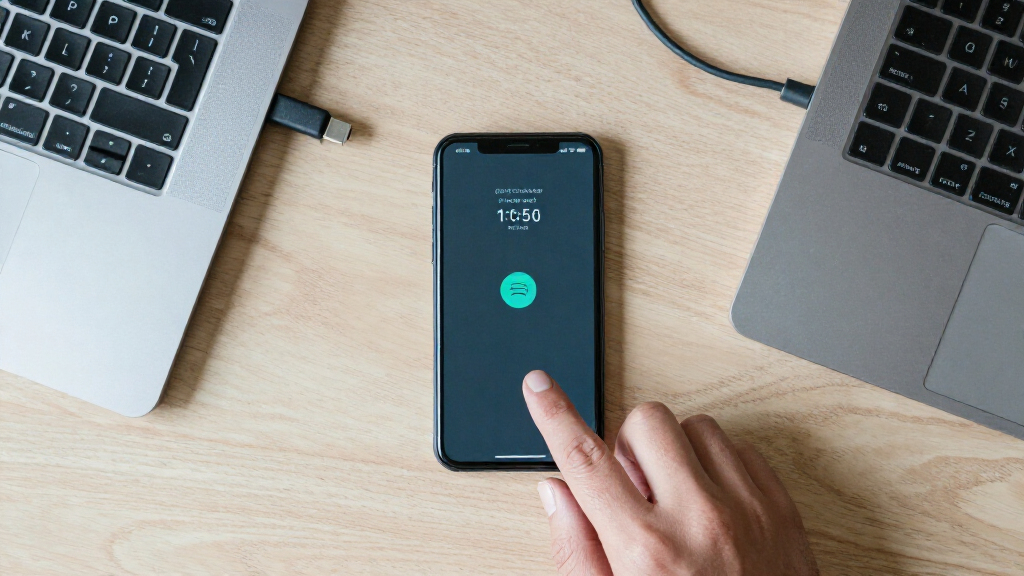

This checklist is for developers who want to be ready for on-call work across changing locations and setups. It covers connectivity, file access, power, account security, focus, and laptop positioning. Use it to spot gaps in the gear you rely on when troubleshooting away from your usual desk.

Get business pricing on monitors, keyboards and dev gear
- Business-only prices and quantity discounts
- Tax-exempt purchasing
- Multiple users, one account, clear invoices
The sections follow practical on-call needs: connect to a network, keep important files accessible, maintain power, secure sign-ins, manage noise, and set up a laptop comfortably. Each slot includes a named pick, a quick verdict, and points to consider before buying. Check the product details against your devices and workflow.
Use the checklist as a starting point, not a substitute for your team’s incident procedures. Confirm ports, operating system support, capacity needs, and any workplace security requirements before choosing equipment. Prioritize compatibility first, then decide which items will make the biggest difference to your own on-call setup.
USB-C Ethernet Adapter
A dependable wired connection can be useful when Wi-Fi is unavailable, unstable, or restricted. The listed pick is the USB Motherboard Diagnostic Tester Kit with Multiport Adapters, whose name suggests a broader diagnostic and adapter kit rather than a straightforward Ethernet adapter. Before treating it as your network solution, verify that the package includes the specific USB-C Ethernet function you need and that it works with your laptop.
A common buying mistake is choosing by the word “multiport” without checking the actual ports and supported connection types. Confirm whether the adapter connects directly to USB-C or needs another connector, and check any operating-system or driver requirements. Also consider whether the Ethernet connection supports your work environment’s network setup, including any authentication or management requirements. Match the ports to your laptop and the networks you may need to troubleshoot; product names alone do not establish those details.
What to look for:
- Confirm USB-C host compatibility and included connectors.
- Verify that Ethernet is included and identify its connection type.
- Check operating-system and driver requirements.
- Compare the listed ports with your laptop and incident setup.
USB Motherboard Diagnostic Tester Kit with Multiport Adapters

This diagnostic kit connects to a computer’s USB ports and uses a compatible Android app to scan for motherboard issues. It includes connection adapters, cables, OTG dongles, guides, and videos; it does not have a traditional digital display for POST codes.
Pros:
- Includes multiple port adapters and connection accessories
- Provides PDF guides, videos, and step-by-step instructions
- Designed to diagnose a range of USB-equipped computers and devices
- Customer reviews report 4.0 out of 5 stars
Cons:
- Requires a compatible Android app to display results
- Requires careful setup and following the included instructions
Best for: Developers who need a multi-adapter diagnostic kit and confirm Ethernet is included.
Not ideal for: Anyone seeking a simple Ethernet adapter without checking the kit contents.
Bottom line: Confirm Ethernet functionality, ports, and laptop compatibility before relying on this kit for wired access.
Portable SSD
Portable storage can help keep work files, recovery resources, or other approved materials available when a network connection is limited. The named pick is the SanDisk 8TB Extreme Portable SSD. Consider whether its stated capacity suits the files you actually need to carry and whether your organization’s policies allow those materials to be stored on removable media.
Do not assume that a drive will work with every device or workflow just because it is portable. Check the connector, supported file systems, and compatibility with your laptop and any machines you may need to use. Think through how sensitive data will be protected, how files will be backed up, and whether the drive’s dimensions and cable arrangement fit your travel setup. Plan for data handling before copying credentials, customer information, or production data; follow your employer’s rules for encryption and removable storage.
What to look for:
- Check connector and laptop compatibility.
- Confirm supported file systems for your devices.
- Match capacity to the approved files you plan to carry.
- Review encryption, backup, and workplace removable-media policies.
SanDisk 8TB Extreme Portable SSD

The SanDisk 8TB Extreme Portable SSD offers high-speed NVMe performance with up to 1050MB/s read and 1000MB/s write speeds. It features rugged durability with drop, water, and dust resistance, along with password protection and a 5-year warranty, making it ideal for active lifestyles and professional use.
Pros:
- High-speed data transfer with up to 1050MB/s read and 1000MB/s write speeds
- Rugged design with drop, water, and dust resistance for durability
- Includes password protection with 256-bit AES encryption for security
- Compact and portable, ideal for travel and on-the-go use
Cons:
- Performance may vary depending on host device and conditions
- Limited to USB 3.0 and USB 3.2 Gen 2 connectivity, may require compatible ports
- Price not specified, which could be a consideration for budget-conscious buyers
Best for: Developers who need portable storage and have confirmed policy and device compatibility.
Not ideal for: Anyone whose workplace restricts removable storage or whose devices lack a compatible connection.
Bottom line: Check device support and data-handling requirements before using this drive for on-call files.
USB-C Power Bank
Backup power can help keep a laptop available when an outlet is out of reach. The Anker 25,000mAh Portable Laptop Power Bank with 165W Output is the listed pick for this slot. Before buying, verify that its output and connection support your particular laptop; the product name alone does not confirm compatibility with every model.
A common mistake is treating capacity and output as interchangeable. Check the laptop’s charging requirements, the bank’s supported output profiles, and whether the right cable is included or needed separately. Consider how often you expect to use it, how you will recharge it, and whether its size and weight suit your commute or travel. Verify charging compatibility with the laptop manufacturer or product documentation, especially if your computer has a higher power requirement or uses a specific charging method. Also review airline and workplace rules that may apply to carrying a power bank.
What to look for:
- Confirm USB-C charging support for your laptop model.
- Match supported output and charging profiles to laptop requirements.
- Check included cables and any cable requirements.
- Review portability and applicable travel policies.
Anker 25,000mAh Portable Laptop Power Bank with 165W Output

This portable power bank features a 25,000mAh capacity and three 100W USB-C ports, allowing simultaneous charging of multiple devices such as laptops, smartphones, and tablets. It includes built-in retractable USB-C cables and is designed for travel, outdoor activities, and emergency backup.
Pros:
- High-capacity 25,000mAh for extended use
- Multiple USB-C ports for simultaneous device charging
- Built-in retractable cables for convenience and durability
- Compact and travel-friendly design
Cons:
- No charger included in the package
- Requires a 100W or higher charger for fast recharging
- Limited to airline carry-on restrictions (100Wh limit)
Best for: Developers who want a portable laptop power source and confirm the required output.
Not ideal for: Anyone whose laptop’s charging requirements are unsupported by the bank.
Bottom line: Verify power profiles, cable needs, and laptop compatibility before counting on it during on-call work.
Hardware Security Key
A hardware security key can be part of a stronger sign-in routine when your accounts and services support it. The Yubico YubiKey Bio C (FIDO Edition) – USB-C Biometric Security Key is the named pick. Check whether your identity provider, development tools, and workplace account policies support the key’s FIDO features before making it part of your access plan.
Do not assume a single key will cover every login flow or device. Confirm USB-C compatibility, biometric enrollment requirements, and support in the browsers and operating systems you use. Ask whether your team requires backup keys, recovery codes, or a particular enrollment process, and keep recovery methods stored according to policy. Plan account recovery before relying on a key for critical access; a security key is only useful when it fits the organization’s authentication setup and you can recover access if it is lost or unavailable.
What to look for:
- Confirm FIDO support for your accounts and identity provider.
- Check USB-C compatibility with your devices.
- Review biometric enrollment and operating-system support.
- Follow workplace backup-key and account-recovery procedures.
Yubico YubiKey Bio C (FIDO Edition) – USB-C Biometric Security Key

The YubiKey Bio C offers passwordless multi-factor authentication using biometric fingerprint verification and PIN fallback. Compatible with multiple operating systems and major online services, it is durable, tamper-resistant, water-resistant, and requires no batteries or network connectivity.
Pros:
- Biometric fingerprint authentication for enhanced security
- Compatible with major OS and online services like Google and Microsoft
- Durable, water-resistant, and tamper-resistant design
- No batteries or network required for operation
Cons:
- Limited to FIDO protocols, no OTP generation
- Requires USB-C port, may not be compatible with older devices
- Higher price point compared to non-biometric security keys
Best for: Developers whose accounts support FIDO authentication and USB-C keys.
Not ideal for: Anyone whose workplace login flow does not support the key’s features.
Bottom line: Confirm service support and recovery procedures before making this key part of your sign-in routine.
Noise-Cancelling Headphones
Headphones can help create a more focused workspace when calls, shared offices, or travel make it harder to concentrate. The listed pick is Bose QuietComfort Ultra Wireless Noise-Cancelling Headphones with Spat. The product name does not clarify what “Spat” refers to, so check the exact model and included items before purchase.
Think about how you will use the headphones: for calls, focused work, or both. Confirm compatibility with your laptop and phone, microphone behavior in your meeting apps, and whether the controls work as you expect. Check comfort for the amount of time you typically wear headphones, along with fit and adjustability. Test call compatibility where possible; noise cancellation does not by itself confirm microphone quality or support for your conferencing setup. If you need to hear alerts or people nearby, consider how the headphones fit into your team’s communication and incident-response habits.
What to look for:
- Confirm the exact model and what “Spat” means in the listing.
- Check wireless compatibility with your laptop and phone.
- Verify microphone and control behavior in your meeting apps.
- Consider fit and comfort for your typical wearing time.
Bose QuietComfort Ultra Wireless Noise-Cancelling Headphones with Spatial Audio,

These over-ear wireless headphones offer noise cancellation, immersive spatial audio, and personalized sound with Bose CustomTune technology. They provide up to 24 hours of battery life, Bluetooth 5.3 connectivity, and built-in microphones for calls.
Pros:
- Noise cancellation with three listening modes
- Immersive spatial audio and personalized sound
- Up to 24 hours of battery life
- Microphones designed for clear calls
Cons:
- Battery life drops to up to 18 hours with Immersive Audio
Best for: Developers who want wireless noise-cancelling headphones and verify app compatibility.
Not ideal for: Anyone needing confirmed call performance or a clearly identified model without further listing details.
Bottom line: Resolve the model-name ambiguity and check your meeting setup before choosing these headphones.
Portable Laptop Stand
A portable stand can raise a laptop screen and help make a temporary workstation easier to arrange. The named pick is the Roost V3 Adjustable Portable Laptop Stand. Consider the laptops you expect to use and how the stand fits into your on-call bag and desk setup.
A common mistake is choosing a stand without checking the supported laptop size, weight, or the way it holds the device. Verify fit for your model, stability on the surfaces where you work, and the range of adjustment available. Think about whether you will use an external keyboard and mouse, since raising a laptop can change the typing position. Check the full setup—stand, laptop, keyboard, and pointing device—rather than judging screen height alone. Also confirm that the stand folds or packs in a way that suits your travel routine; product names do not specify those dimensions.
What to look for:
- Verify laptop size and weight compatibility.
- Check how the stand secures and supports your laptop.
- Confirm adjustment range and stability for your work surfaces.
- Consider keyboard, mouse, and packing needs.
Roost V3 Adjustable Portable Laptop Stand

The foldable Roost V3 raises laptops to an ergonomic viewing height and adjusts to suit your setup. Its rigid frame and self-adjusting grips hold compatible laptops securely, while its lightweight, slim design makes it easy to carry for travel.
Pros:
- Lightweight and portable for travel
- Adjustable height supports an elevated viewing position
- Rigid frame helps keep the screen steady
- Self-adjusting grips fit compatible laptops
Cons:
- External keyboard and mouse are recommended for ergonomic use
- Listed screen-lift ranges differ between product details
Best for: Developers who want an adjustable stand and confirm fit for their laptop.
Not ideal for: Anyone whose laptop or work surface is outside the stand’s supported range.
Bottom line: Check laptop fit, stability, and your keyboard setup before adding this stand to your kit.
Build your checklist in the order that removes the biggest work blockers for you: first confirm network access and required power, then account security and approved file access. Add headphones and a stand based on where you work and what helps you stay focused. Start with compatibility and workplace requirements so each purchase fits the devices and procedures you already use.
On-call readiness comes from having the right tools for your own environment and knowing how to use them. Check product documentation, confirm team policies, and test your setup before an incident. A few deliberate checks can make your kit more useful and help you feel prepared wherever the work takes you.